Omnisend AI

 OFFER
OFFER








Why they made the switch to Omnisend
Before the rebrand, Mudgee Meat’s marketing was largely founder-led. Michael and Carolyn Emeny had built the business through word of mouth, strong customer relationships, and some Facebook advertising, while managing much of the marketing themselves. There was no sophisticated email or lifecycle marketing program yet, and Klaviyo became one of the business’s first real steps into martech.
Klaviyo had automations and segmentation, but the platform felt complex enough that the team never fully used everything it could offer. Many of its features remained untouched, making it harder for Mudgee Meat to build the kind of lifecycle marketing program it wanted.
The move to Omnisend came through Mudgee Meat partner Matthew Collier, who joined the business in 2023 and led its broader rebrand and marketing transformation. Through his digital marketing agency, MAJIC Digital, Matt had also worked with another brand in Thailand using Omnisend and saw an opportunity to bring the platform into Mudgee Meat.
Omnisend felt more intuitive out of the box.
Everybody in the team can use it and understand what we’re doing, and it’s much easier for us to build and manage our automations.
Just as important, they got a dedicated Omnisend Account Expert, Gintarė, who helped them find what the platform offered instead of leaving them to work it out alone.
Email, SMS, and the automations holding it together
Email and SMS have their own roles
Email and SMS are now the two core customer communication channels Mudgee Meat runs through Omnisend.
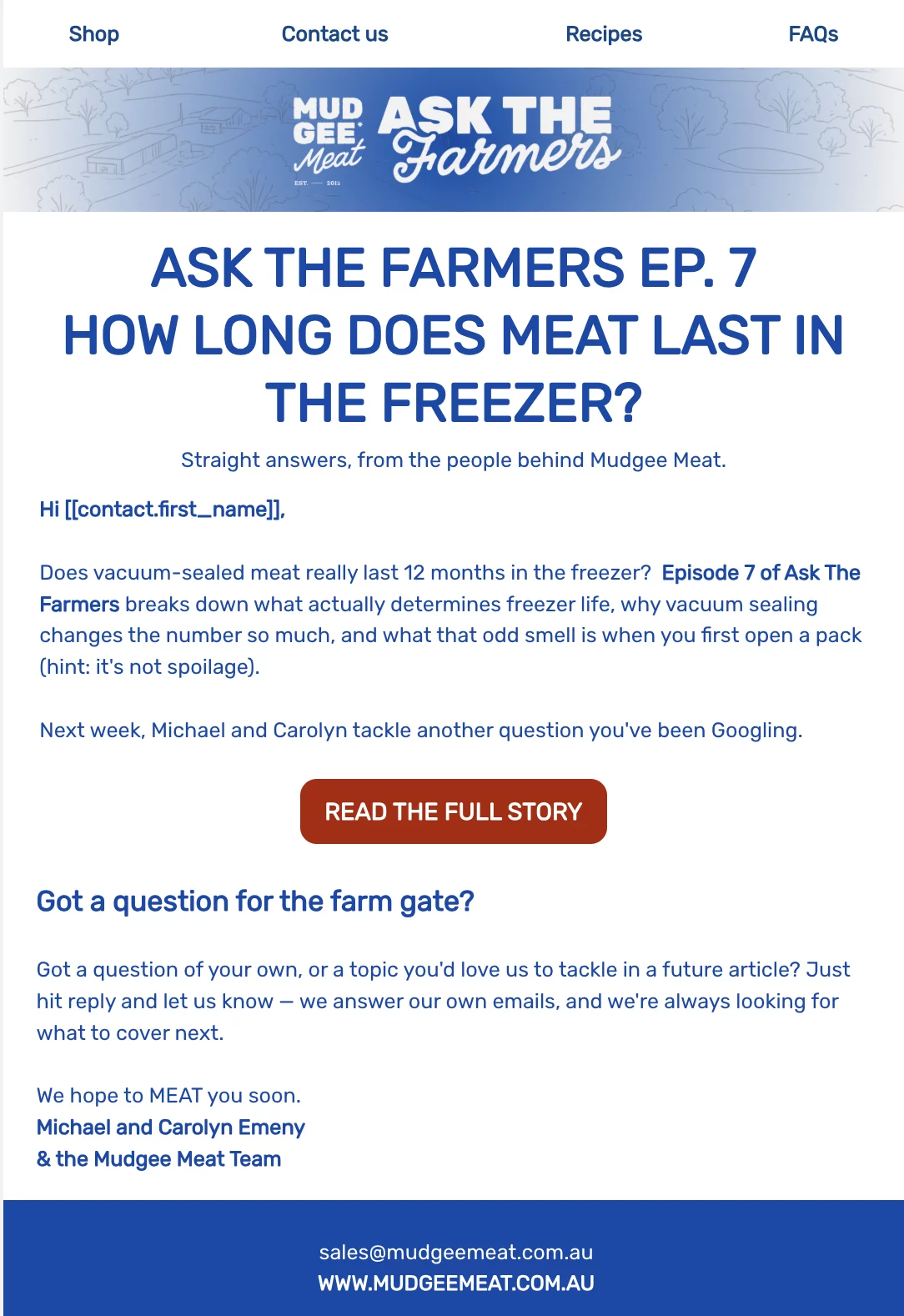
Email carries weekly specials and broader promotions such as free delivery, but it also plays a major role in Mudgee Meat’s trust-building strategy. Content such as the Ask the Farmers series, recipes, and educational articles gives customers useful information about meat, farming, sourcing, and how their food is produced without every communication needing to sell something.
SMS is used more selectively. Within key automations, it can be used to follow up with customers who haven’t engaged with the earlier email messages rather than sending every message through both channels.
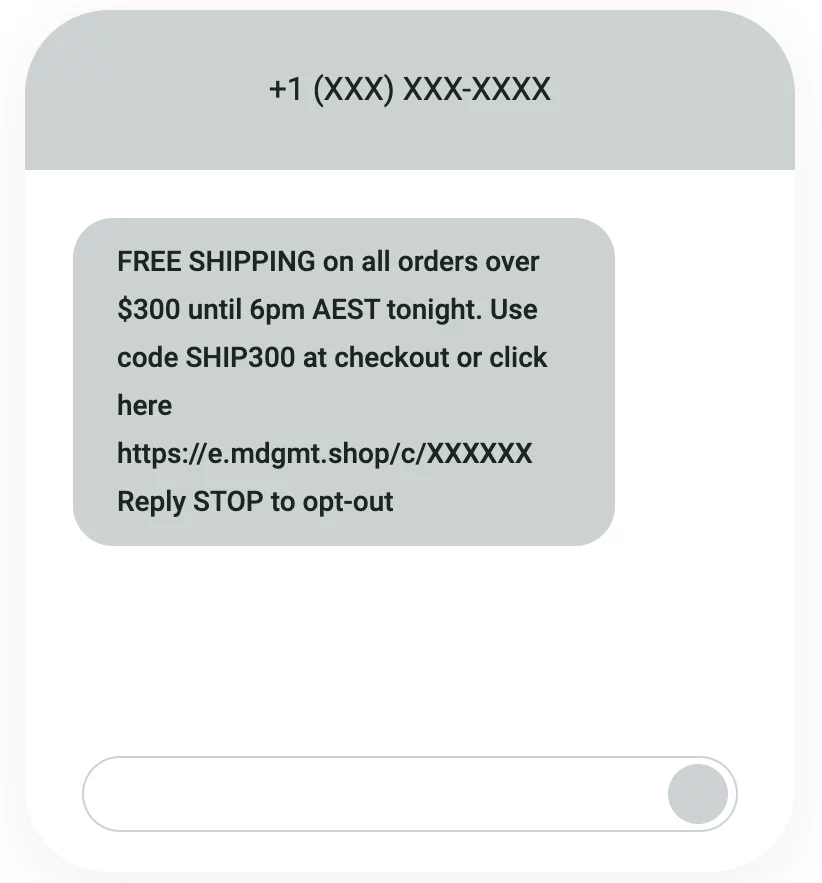
“We find that we get really strong results with SMS,” Justine says. “But we’re deliberate about who receives it. We don’t want to send an SMS to everybody in every automation when email has already done the job.”
Top performing automations
Abandoned cart, abandoned checkout, and browse abandonment are consistently among Mudgee Meat’s strongest-performing automations, particularly for attributed orders and revenue.
The welcome series took some work to get right. A longer, less engaging version originally used on Klaviyo was shortened and refined, while A/B testing helped the team answer a question they had been debating internally: whether a percentage discount or free delivery was the stronger incentive for a first order. Free delivery came out ahead.
Another incentive test showed why Mudgee Meat looks beyond conversion rate alone. In a $10-off versus $20-off test, the $20 offer converted slightly better, but the $10 offer generated more attributed revenue overall.
“Yes, the conversion numbers on $20 off looked great,” Justine says. “But when I looked at it more closely, the other offer was bringing in more revenue. Finding that out was really helpful because it changed how we looked at what ‘winning’ actually meant.”
Turning regulars into subscribers
Perhaps the most interesting build is an automation aimed specifically at regular customers who keep coming back to place one-off orders but haven’t yet joined Meat on Repeat, the company’s flexible subscription program.
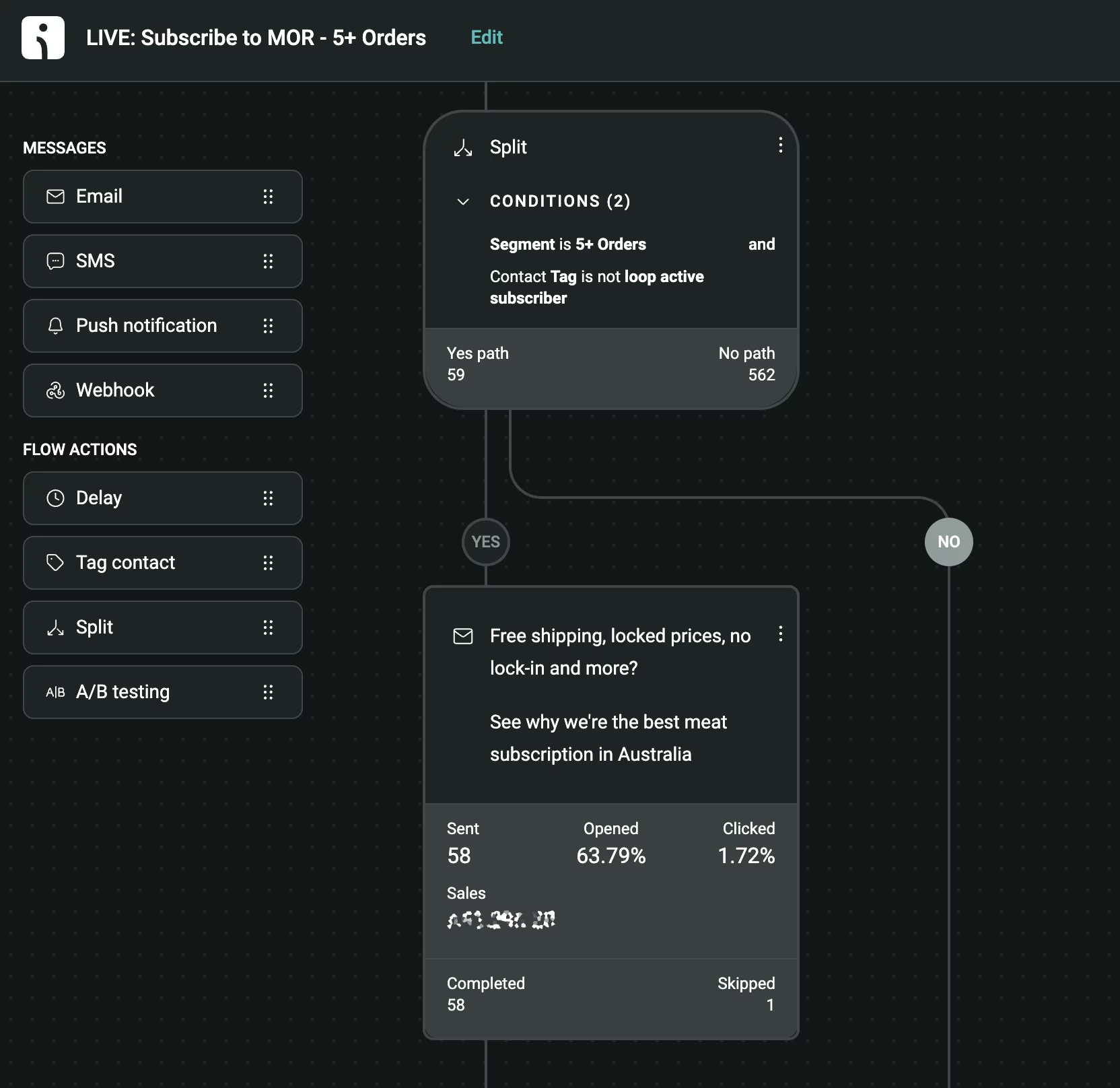
Rather than relying on occasional campaign spikes to convert those customers, the automation creates an always-on pathway into Meat on Repeat.
“We used to see a big spike in subscriptions whenever we ran a dedicated campaign,” Justine says. “Now the flow gives us a much steadier stream of new subscribers. It’s less of one big spike and more consistent growth happening in the background.”
Omnisend MCP becomes part of the workflow
Ask Justine what’s changed the way she works day to day, and Omnisend MCP comes up almost immediately. Connected to both her Claude and ChatGPT accounts, it’s woven into nearly everything she does in Omnisend.
Troubleshooting independently
“I use MCP for nearly everything with Omnisend,” Justine says. For smaller questions and day-to-day troubleshooting, she can ask Claude to work with the Omnisend data directly rather than searching through documentation or contacting support for every issue.
“Looking through the FAQ section can take me a long time. And I don’t necessarily want to message support for every little question, especially on a Saturday or Sunday. I know there are always people there, but I just don’t want to.”
It’s now where she starts when something breaks, or she’s not sure what to do next.
A second set of eyes on automations
It’s also become a second set of eyes on her automations. Beyond what Omnisend already surfaces in-app, Justine uses it to let her AI tools inspect the Omnisend setup, review automations against best practices and identify potential issues before anything goes live.
“Fixing it, reviewing it before I even launch anything,” as she puts it.
Copywriting in the brand’s own voice
Then there’s copywriting, an area she says she genuinely struggles with. “My Claude and ChatGPT account knows our entire brand voice, and Omnisend has the campaign and customer context, so they work together,” Justine explains. “I give it the right brief, it gives me a starting draft, and then I edit it and make sure it sounds like us.”
Sharper decisions on ad spend
The clearest payoff, though, is on the ads side. By connecting Omnisend, Shopify, and Meta data through her AI tools, Justine could finally see the full picture of how campaigns performed.
That changed how she approached paid acquisition. Purchase campaigns were asking for too much on a first touch, so she shifted budget toward leads and signup campaigns to give potential customers a chance to learn about the brand before being pushed toward their first order.
“Buying fresh meat online requires quite a lot of trust,” Justine explains. “You’re trusting us with the quality of the meat, where it came from, how it was raised, how it’s packed, and whether it will arrive fresh and chilled at your door. And for a lot of customers, it’s not a small purchase. So asking somebody to spend hundreds of dollars with a butcher they’ve only just discovered can be a big first step.”
A challenging moment
At one point, subscriber growth began to flatten. As Mudgee Meat’s email program became more active and customers received more communications across campaigns and automations, the team started looking much more closely at frequency, engagement and unsubscribe behavior.
“It was both a good thing and a bad thing,” Justine says. “We had a much more developed marketing program than we’d had before, but that also meant customers had more opportunities to hear from us and more opportunities to decide they were hearing from us too often.”
As the team worked through the problem, there were even thoughts of going back to Klaviyo. But what stopped them wasn’t just the work involved in migrating again. By that point, Mudgee Meat had built a much more comprehensive email and SMS marketing program in Omnisend, along with the customer data, automation history, campaign learnings, and performance insights behind it.
Going back would have meant Justine rebuilding every automation, campaign and template, transferring contacts and data, and potentially losing some of the history and learnings the team had worked hard to build. “I didn’t want to have to figure it all out by myself,” she says, “and just hope our MCP would work the same way. We’d also be giving up our Account Expert and another set of eyes on everything we’re doing.”
That support had become particularly valuable. Mudgee Meat’s Omnisend Account Expert, Gintarė, regularly reviews the account, helps identify opportunities and gives the team an outside perspective on what could be improved.
Having someone who understands the platform and can look at what we’re doing with us is invaluable. If we moved, we wouldn’t just be changing software. We’d be losing that expertise as well.
Rather than moving platforms, Gintarė worked with Justine on the actual problem: how to protect subscriber growth without simply sending less.
The fix was surgical rather than blunt. Anyone already moving through an active automation is now excluded from newsletter sends, and frequency checks run inside the nurture automations themselves. Cart and checkout abandonment were left untouched on purpose — those fire on a buying signal, not a schedule, so capping them would only cost sales.
“We’ve learned from it,” Justine says. “We’re not sending so many emails now. We’re sending just the right amount, and at the right time.”
It was the same kind of fix Justine originally went looking for in Klaviyo’s Smart Sending, but built with more control on Omnisend, letting her choose which message gets through instead of just blocking whichever one happened to be next.
The results
With the automations rebuilt, the channels recalibrated, and MCP woven into the daily workflow, that work is starting to show up in the numbers.
- Automations now drive close to a third of Mudgee Meat’s Omnisend-attributed revenue. 31.7% from automations versus 68.2% from campaigns, a meaningful share for programs the team once could barely get off the ground on Klaviyo.
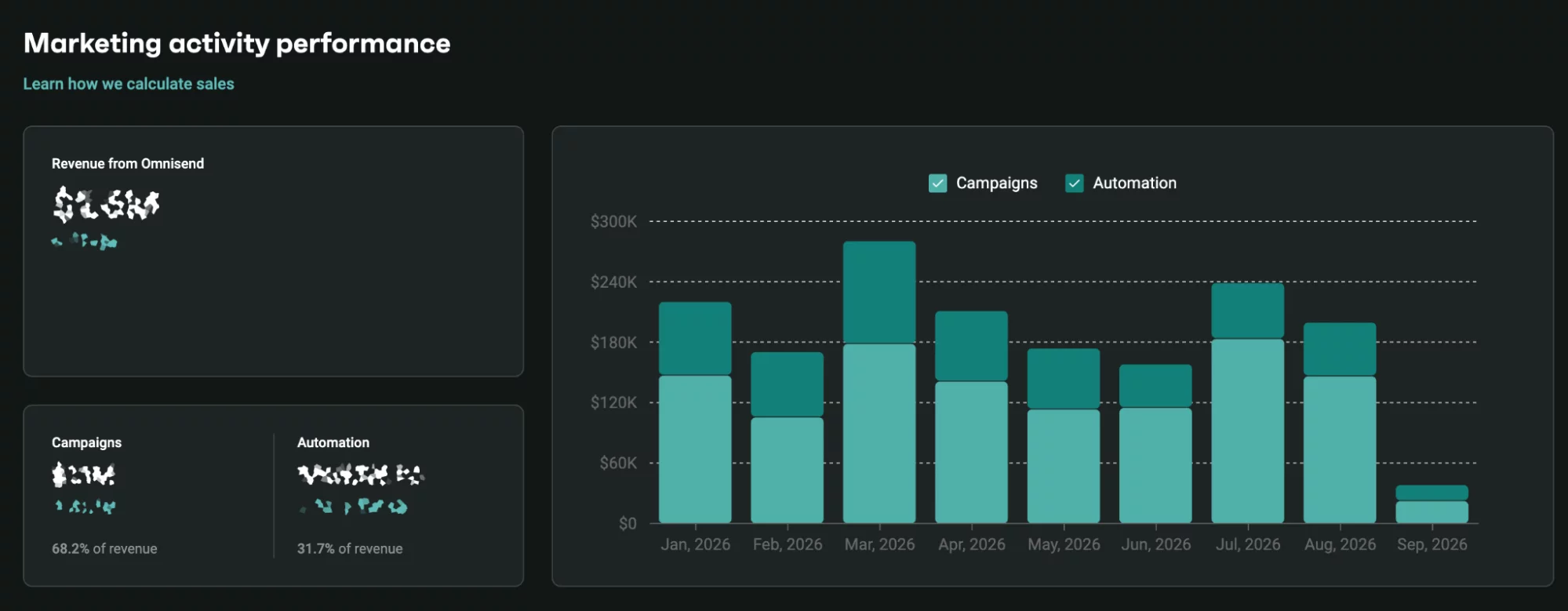
- Automations are especially efficient at turning a single send into a placed order. A 2.2% placed-order rate, versus 0.31% for the broader reach of campaigns. It’s less that one beats the other and more that they’re built for different jobs: campaigns cast a wide net, automations catch the moments when someone’s already close to buying.
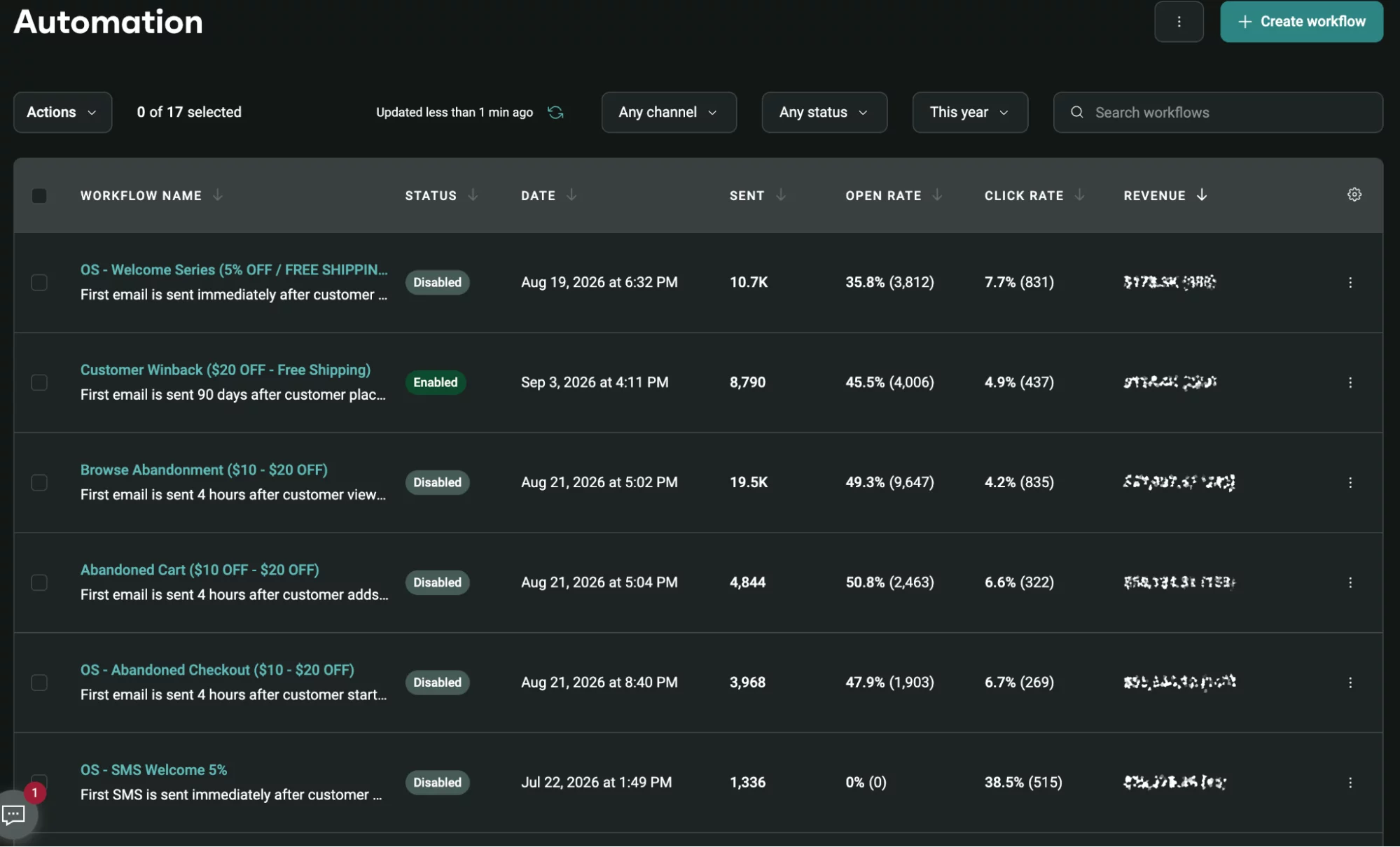
- SMS punches well above its weight. The SMS welcome automation alone converts at a 38.5% click rate, dramatically higher than the 5.9% average click rate across all automations. That’s real evidence behind Justine’s instinct to reserve SMS for high-intent moments.
- List health is trending in the right direction. Mudgee Meat’s email subscriber base has grown 10.7% this year, while its SMS subscriber base has grown 12.2%, with both channels remaining net positive, which is early proof the sending recalibration is working.
- The regulars-to-subscribers automation is already showing promise. In its first weeks live, it pulled a 63.79% open rate (well above the account average).
What’s next for Mudgee Meat
Mudgee Meat’s next phase centers on three things: growing Meat on Repeat, reaching more Australian households, and building trust in where its meat comes from.
The goal is for around a third of the business to come through Meat on Repeat subscriptions, building steadier relationships with regular customers. Geographically, the customer base is still concentrated in New South Wales and Queensland, so the focus now is building awareness elsewhere and introducing more Australian families to ordering meat directly from an independent online butcher.
Promotions and Meat on Repeat savings will stay part of the strategy, especially with cost-of-living pressure front of mind. But the bigger focus is helping customers trust the quality behind what they’re buying through real customer stories, close work with farmers, and useful content rather than chasing trends.
“We’ve never really been a brand that chases trends,” Justine says. “For us, it’s about building trust and showing people the value they’re getting. We’ll always have specials, discounts, and ways to save through things like Meat on Repeat, but we also want people to know who they’re buying from, understand what they’re getting for their money, and feel confident that the quality and value we talk about is what they’ll actually receive.”