Omnisend AI
 OFFER


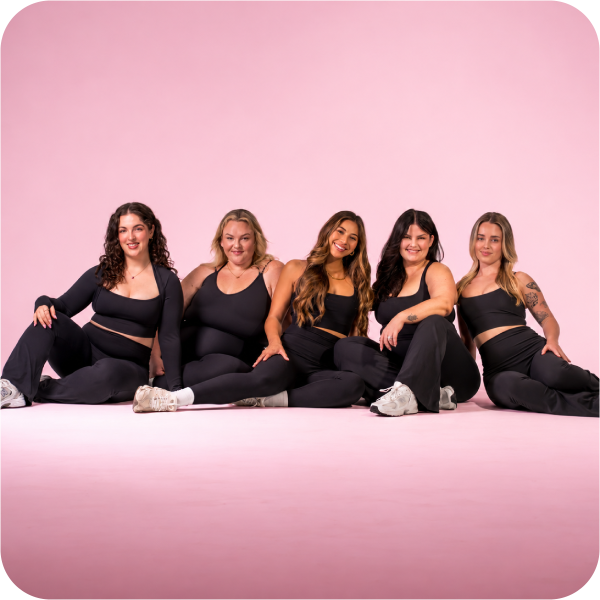
They started 100% Australian-made, then added imported garments to widen the range. Today the brand runs sizes 6 to 30 and custom-makes pieces in its Sunshine Coast warehouse for anyone outside the size chart.
There’s a new drop on the site every Wednesday, every single week. And the brand sells out constantly. Both of those facts end up shaping almost everything about how it uses email.
First platform, only platform
Plenty of brands arrive at Omnisend after outgrowing something else. Empress Athleticus never had a something else.
Brittany and James already knew the big names in email marketing from their previous job. But as a brand-new business, they were mindful of their finances and resources. “We wanted something that was competitive in pricing, but was still going to deliver the same result,” Brittany says. “And Omnisend checked all those boxes.”
Price got them in the door. What kept them was everything else, especially the support. “From day one, the support felt like it was going to be there,” James says.
Today, the brand has a monthly call with its Omnisend Senior Customer Success Manager, Alyssa, who offers valuable insights and suggestions. “We talk to other ecommerce founders and they say that they get no support from the email platform,” James says. “And I’m like, oh, I have a monthly call and she’s great.”
Five years later, they’ve never migrated. “It’s kind of just grown with us ever since,” Brittany says.
It’s kind of just grown with us ever since.
Starting from one email a week
In 2021, the setup was simple. The brand sent roughly one email a week. The welcome series was, in Brittany’s words, “literally just once you sign up you get a welcome email, and that’s pretty much it.” They also switched on a templated checkout flow early on.
“The automated flows are fantastic,” James says. “We just didn’t start using them early on straight away.”
Today, they send email almost every day. The welcome flow has grown well beyond that single discount email. Alongside it run abandoned cart, abandoned checkout, a three-month post-purchase flow and the sunset flow Alyssa recommended. Wishlist and back-in-stock notifications are being built right now.
During these five years, two things stood out as making a big difference in the effectiveness of their email program.
The first was automation. In 2021, automated flows drove about 4% of the brand’s email revenue. In 2023, when the abandoned cart flow went live, that share jumped to roughly 20% in a single year. By 2026, automations account for 26% of email revenue, and automation revenue has grown more than thirty-fold since 2021.
The second was scale. As their contact list expanded, email revenue grew 165% in 2025, and it has kept climbing through 2026.
Get them in the flow
Growing your contact list brings obvious advantages, and Empress Athleticus knows that firsthand. “We’ve been really focusing on getting more emails this year, getting them into our flow,” Brittany says.
With a new drop every week, there’s always another color or style that might catch someone’s eye. “Once they’re in, we can then keep sending them emails until they obviously are interested,” she says. “Our first thing is really trying to focus on getting emails, getting SMS, and then starting that journey with them.”
Sign-ups come in through a full-screen pop-up and an embedded form on the site, plus an ebook with its own email capture.
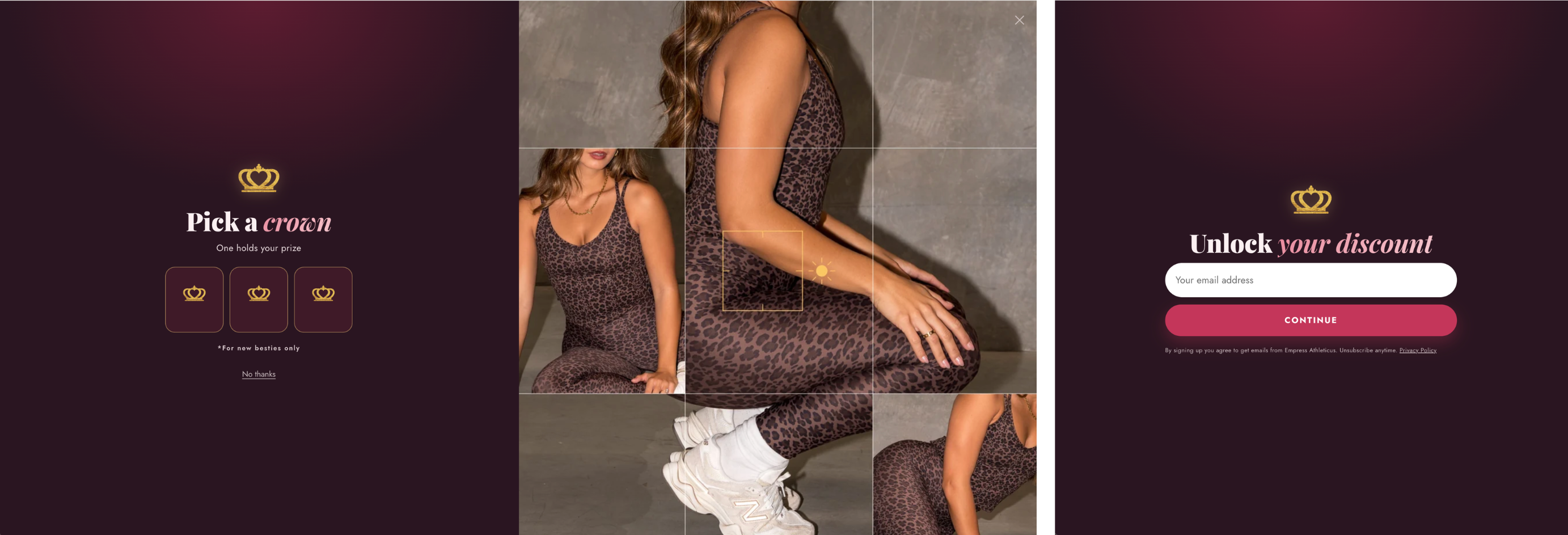
A big push on content feeds the top of the funnel too: the team posts around 36 social media videos a week. Once people subscribe, the now-richer welcome flow tells them who the brand is without forcing it on them.
And they view the welcome offer as a deliberate investment. “Once they try something, the likelihood of them coming back is really high,” Brittany says. “So losing a little bit on that first purchase is so valuable to us, because we know that they’re going to keep coming back again and again.”
In 2025, about six times as many new subscribers entered the welcome flow as in 2024. And in 2026, the brand has already signed up 72% more new subscribers than in the whole of 2025. The brand now has more than 138,000 contacts, including more than 32,000 SMS subscribers.
And those new subscribers buy. The welcome flow has driven 2,092 orders in 2026 alone.
Finding the weekly rhythm
Today the whole program runs on the weekly drop. Each Wednesday launch gets its own short sequence, segmented so people who’ve already bought aren’t flooded:
- Monday: Engaged subscribers get a Lookbook preview
- Wednesday: The full list gets a launch email
- Thursday: Everyone except Wednesday’s buyers receives a follow-up
- Friday and Saturday: Engaged subscribers who haven’t bought get a reminder
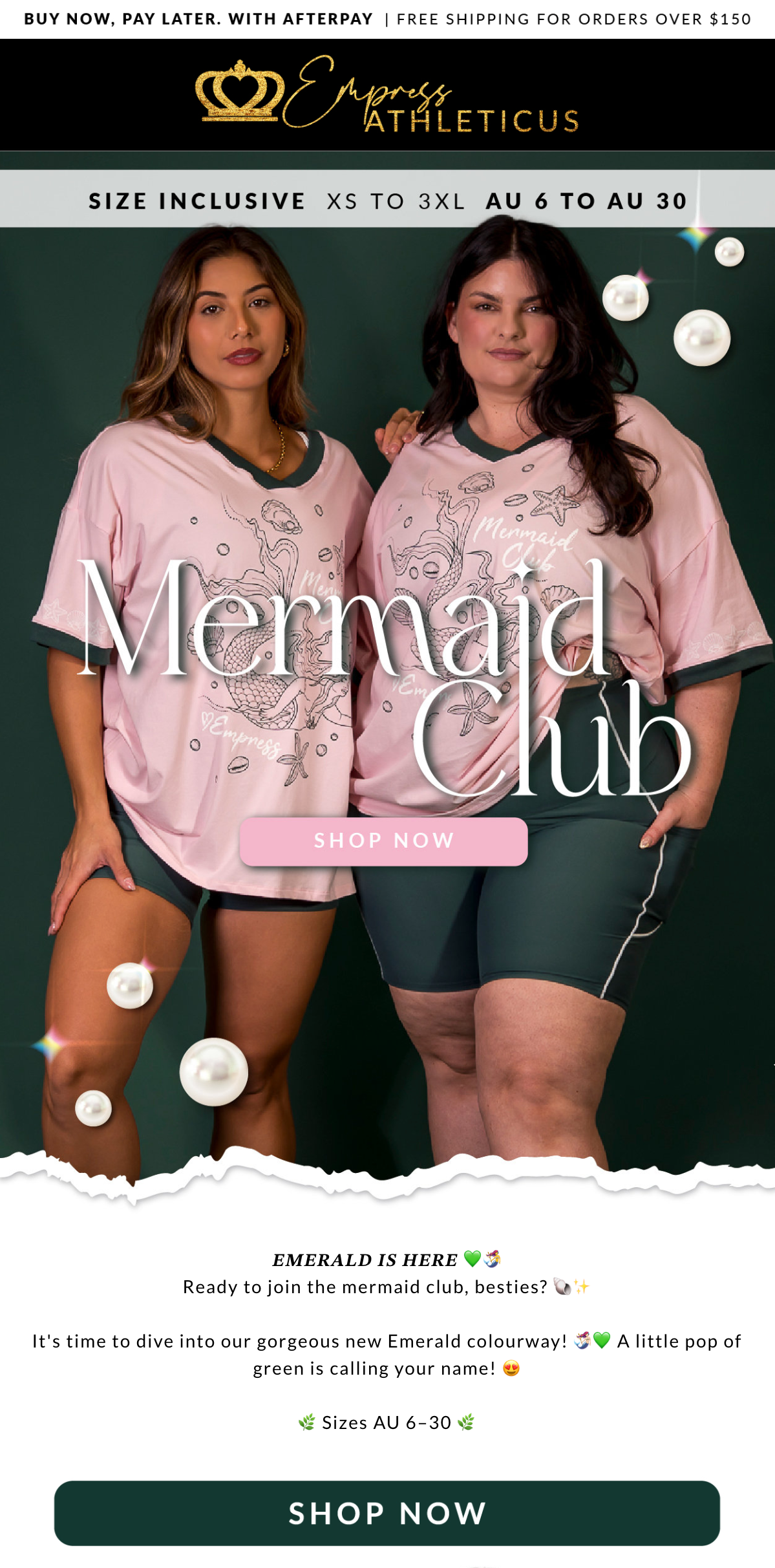
“We don’t want to obviously flood our full list every single day,” Brittany says. “So we try to segment it out.” It worked. The brand went from roughly one email a week to sending almost daily, and its campaign open rate averaged 30.3% in 2026, up from 24.0% in 2021.
Most emails also link to the brand’s Facebook community of more than 18,000 women, which James calls “a happy corner of the internet.” So email doesn’t only sell the drop. It brings new customers into the community too.
SMS is saved for launches with plenty of stock, sales, and Black Friday. The launch goes live at 9 AM, the text goes out at 9:30, and the team watches for a second spike in site traffic to judge whether it paid off. The trend is positive: SMS went from zero attributed revenue in 2025 to 7% of all Omnisend-attributed revenue in 2026.
Letting humans do human things
The newest layer in the setup is AI. James has connected Omnisend’s MCP server to Claude, which lets the AI read the account’s data and build with it directly through the API.
The first big project started with a frustration. The brand had been using a Shopify wishlist app, reportedly one of the best available, but it was clunky and customers were having a bad experience. So they built their own wishlist and back-in-stock notifications and folded both into their own platform.
Through MCP, AI looked at what the old app had been sending and built better versions. It matched the messaging already on the Empress Athleticus website, so the new notifications felt consistent with everything else customers see. “It’s literally hours saved,” James says.
He’s clear about the split between people and machines. The brand’s graphic designer still makes every campaign email. The AI handles the stock-standard ones, like a note that a wishlist item is now 20% off.
It does the reporting, too. AI reads the brand’s analytics, sends snapshots and reports back into the team’s planner on how campaigns performed. “It lets humans do human things,” James says, “and then we just let reporting be done in spreadsheets by the computer where it belongs.”
Speed is another big payoff here. Faster data means faster decisions, and more time for what the two of them are actually good at: product and visuals. “Being creatives, reporting is like the last thing we want to do,” Brittany says.
Wrap up
So what makes Omnisend a perfect fit for Empress Athleticus? “A lot of people try to find one silver bullet,” James says. “There’s not one thing Omnisend will do that would just make your whole world so much better. But if you use all the components and a little piece of everything, the more features we use, the better result we get.” Or, as Brittany puts it: “The little 1% here and there make a big difference.”
Their advice to new brands is just as practical: capture emails before you drive traffic, and don’t wait for perfect. “Done is better than perfect,” James says. “Hit publish, move on, and just keep improving as you go.”