Omnisend AI

 OFFER
OFFER





Email automation is most effective when it continues the conversation that brought a customer to the brand in the first place. From the promise made in a paid ad to the timing of a post-purchase message, every automated touchpoint should feel connected, relevant, and human.
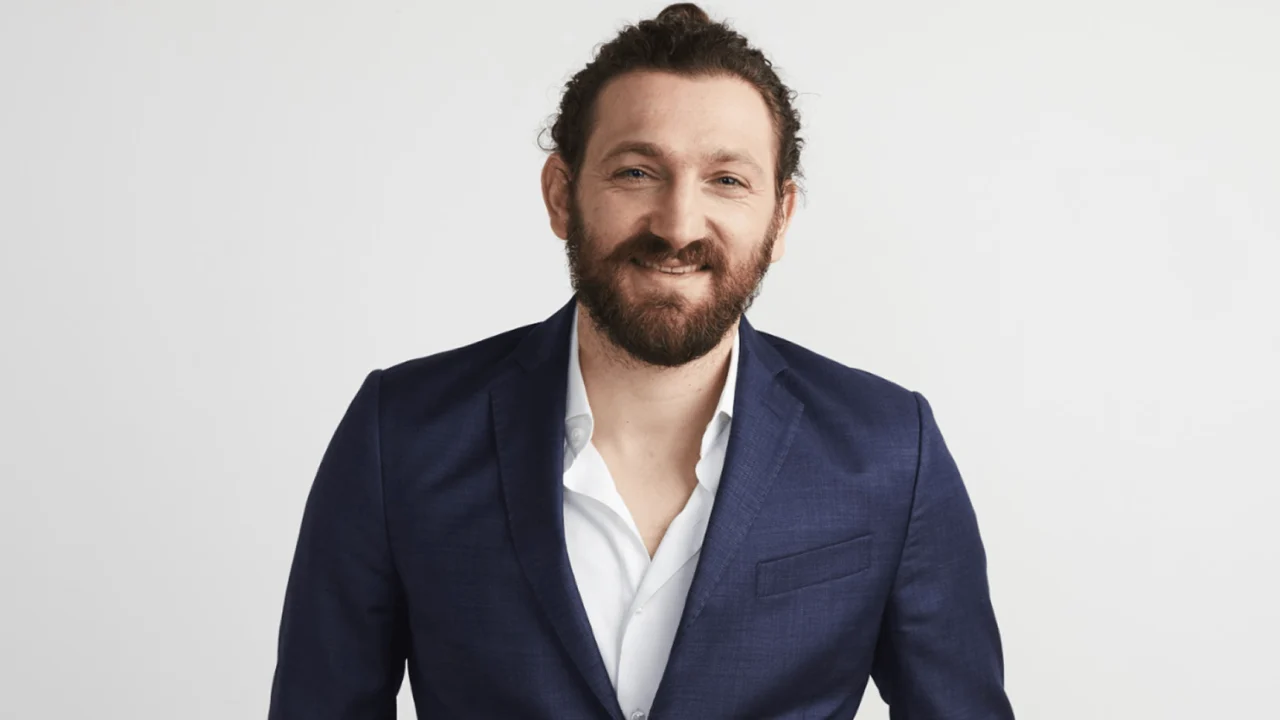
We spoke with ecommerce entrepreneur Ezra Firestone about building a stronger email automation strategy. He explains how brands can align welcome flows with paid campaigns, grow their SMS lists, extend abandoned-cart sequences, build trust after a purchase, and keep automated messages engaging in an AI-driven marketing environment.
Q&A with Ezra Firestone
The handoff from paid traffic to email and SMS
Turning algorithm-led paid traffic into customers
Q: Ezra, paid traffic is becoming more algorithm-led, and brands often have less control over exactly who sees their ads. What role should the welcome flow — and email automation more broadly — play in turning that broader traffic into profitable customers? What would you change in the first 7 days of email and SMS automation?
A: The welcome flow in particular and also your other email automations (abandon cart, etc.) Need to reinforce the messaging from your ads. They need to speak specifically to the pain points of your audience and have similar hooks/angles to your winning ad creative and ultimately overcome any objections. I would add, within the first 7 days, a few types of content:
- Manufacturing process transparency messaging: Showing how your products are made and why they are better than other options.
- Who We Are / Why We Are messaging: Showing who you are as an individual or who the people behind the company are and why you started it in the first place (your story and your mission).
- Incentive/Deadline Messaging: A reason for people to take action now. Some kind of discount or bonus Incentive (gift, etc.) with a deadline that creates a reason to take action immediately.
- I recommend sending at least one communication a day for the first 7 days. In the welcome flow, wait 2-3 days before offering the incentive; for abandoned cart, offer the incentive right away.
Adapting lifecycle flows for new traffic sources
Q: As ecommerce brands test newer acquisition channels, like in-app advertising, the customer journey can start in a very different context than a traditional search or social click. Once someone subscribes, should the first email or SMS flow change based on where that lead came from? What should marketers adjust in copy, timing, offer reminders, or social proof?
A: We are currently not modifying the welcome flow based on traffic source. All of our messaging across platforms is pretty consistent, so we don’t have custom welcome flows by traffic source. We do have custom welcome flows based on the offer, though. For example, if we are sending someone to a trial page, there is a pop up/ lead form/exit intent form on that page that puts the prospect on a flow that is specific to that particular offer. It’s less about traffic source and more about the offer. If you have more than one front-end funnel, then you definitely want custom messaging for each funnel that is relevant to that particular offer.
Turning signups into buyers
Carrying curiosity from the pop-up into the welcome flow
Q: Your mystery discount test lifted sign-ups even though the final offer stayed the same. Once the subscriber opens the first welcome email and the mystery is revealed, how do you turn that curiosity into trust and purchase intent without making the experience feel like a gimmick?
A: There’s an old marketing principle by Robert Cialdini outlined in his book “Influence” called “The Commitment and Consistency Principle”. The idea is that people stay consistent with their commitments — IE if you get someone to opt-in consciously, they are MUCH more likely to respond and engage afterward because they deliberately chose to opt-in. The “Mystery” discount messaging is all about securing that first commitment (the opt-in), and we find it performs better than a straight offer like “Get 10% OFF”. After they opt-in and see their discount, we do not modify messaging any further to point back to their initial mystery discount offer. We just focus on delivering value to the prospect through value-add content, product messaging, and social proof. The more gimmicky opt-ins include things like spin-to-win popups. In our experience, mystery messaging does not read as gimmicky to prospects and doesn’t diminish trust or performance. In fact, it has become somewhat industry standard since we started doing it over 10 years ago.
Growing SMS without hurting email capture
Q: Growing an SMS list usually means asking for more on the sign-up form, which can cost you email subscribers. How have you balanced that tradeoff in your own brands — and at what point does the math tip in favor of pushing SMS harder? What should brands offer, when should they ask for the phone number, and how do they decide whether the extra SMS revenue is worth the added step?
A: SMS is no longer optional. It’s continually growing as a percentage of revenue driven from owned audiences. All of our brands have 2-step opt-ins with Email first and SMS second. When they enter their email, we capture that data point right away so we are not losing anything by asking for SMS as a second step. Each step is independent — for example, a user can submit their email and then exit during the SMS step, and the email will still be captured. In the past, users had to complete every step for any information to be captured, but those days are thankfully behind us! You MUST do SMS capture everywhere you can!
Retention flows that build trust before they sell
Making longer cart recovery flows feel helpful
Q: Many brands stop abandoned-cart automation after two or three reminders. You’ve argued for longer cart recovery sequences. When does it make sense to extend the flow, and how do you make each message useful instead of just repeating “you left something behind”?
A: I believe in 7-14 day abandoned cart recovery sequences with pretty heavy text messaging the first 3 days and then one more time a week or so later. You monitor the open and click rates of your sequence. When you notice the open rate dropping significantly, that is where you want to begin to optimize. The sequence I like to use is product-focused, discount-focused, deadline-focused for the first 3-4 emails over the first 2 days. Then pivot to storytelling. Social proof testimonials; stories of how the product was made and why it’s better than others out there; content that overcomes common buyer objections; cross-sells and introductions to other products; etc. The idea is to sell heavily in the first few days, then pivot to entertaining and educating while also mentioning the discount/deadline in each email towards the bottom.
Delaying the upsell after purchase
Q: Your post-purchase approach delays the next pitch. Instead of immediately pushing another product, you acknowledge the purchase, set expectations, invite engagement, gather feedback, and only then move toward the next offer. Why does that sequencing create more loyalty, and how should brands automate a video review request without making it feel transactional?
A: The sequence I use first takes care of them and builds excitement for the current order and also sends content designed to entertain and educate so that by the time I ask them for something (to buy a new item or give UGC), they like me and my brand more than if I had just come right out with a request. Video reviews are tricky; for Millennials and lower, they generally want to be compensated. Boomers and GenX are happier to give videos in exchange for free product. We now ask people if they want to “join our ambassador program” and have a place where they can sign up. We communicate with them manually and build a relationship with them. Gone are the days of simply asking in an email for a video in exchange for product. It’s now a managed ambassador program where customers communicate with one of our team members, and the relationship is managed directly so it doesn’t feel transactional because a personal relationship is forged.
Making automation feel human in an AI-driven world
Making automated emails feel human months later
Q: You’ve talked about raw, real storytelling as a way for brands to stand out in an AI-saturated marketing world. But automated flows are pre-written by nature. How do you build a nurture sequence that still feels genuinely human months later? Which stories should be evergreen, which should be refreshed, and which should never be automated?
A: There’s a difference between automated emails and AI-generated videos and content. As long as your content is real (videos of the manufacturing process, trust-building content showing off who you are, why your product is good, how you’re better than competitors, stories of real people using it and getting value, etc etc.), you don’t have to worry about putting it in automated flows. We send emails to our audience every week that are solely content linking to our blog with stories and education and entertainment — anything that does really, really well (high click-through rate, high engagement rate, high sales revenue) we add to our flows and swap out for content that didn’t perform as well. We update our automated flows every couple of months when a piece of content really hits with our audience. It’s always a good idea to add fresh content to your flows and remove stagnant content. I would recommend a flow optimization at least 1x a year.
Email and SMS in the age of agentic commerce
Q: As AI assistants start influencing discovery, comparison, and purchase decisions, what should lifecycle marketers do now? Should automated emails become more structured and machine-readable, or should email and SMS double down as the human relationship layer that AI agents can’t replicate?
A: I believe email and SMS are not the place to try to optimize for agentic commerce. It should feel real and human. Your website and product catalog will need to be optimized for LLMs via an AEO/GEO strategy, but I don’t worry about LLM optimization for email and SMS. The more real it feels, the more it feels like it came from an actual human — the better.