
 Omnisend AI


 OFFER
OFFER







Drive sales on autopilot with ecommerce-focused features
See FeaturesKey takeaways 
A quality SMS marketing list is crucial for ecommerce brands, as engaged subscribers are more likely to open messages and make purchases compared to a larger list of unengaged contacts.
Building an SMS marketing list requires explicit consent from subscribers, following legal regulations to ensure compliance and maintain trust.
Effective opt-in strategies include using website popups, checkout opt-ins, and leveraging existing email lists to attract high-quality subscribers.
Regularly maintaining your SMS list through practices like removing invalid numbers and monitoring opt-out rates is essential for sustaining engagement and improving performance.
Reveal key takeaways
A clean SMS marketing list is a valuable asset for ecommerce brands. Unlike social media, your SMS list is a direct, owned channel to customers who have opted in to hear from you.
Because subscribers expect your messages, they’re more likely to open, click, and buy.
However, building a high-performing SMS marketing contact list involves more than collecting phone numbers. You also need the right strategy and tools.
In this guide, you’ll learn what an SMS marketing list is and how to build one from scratch. You’ll also learn how to grow your text message lists, segment them for better results, and maintain them for the long term to improve performance.
Start building and growing your SMS marketing list with Omnisend
Quick sign up | No credit card required
What is an SMS marketing list?
An SMS marketing list is a collection of contact information from people who have agreed to receive text messages from your brand. Ecommerce brands build permission-based SMS marketing lists through various means. This can be via forms, checkout opt-ins, popups, or keyword signups.
What separates an SMS list from a general SMS marketing contact list is consent. For text marketing, permission isn’t optional. Rather, it’s required by laws like the Telephone Consumer Protection Act (TCPA).
Due to these regulations, businesses must get explicit opt-in from subscribers before sending marketing texts. Every contact on your SMS marketing list must knowingly agree to receive messages.
With a rich data set, you can target and personalize text messages. This way, your SMS text marketing lists can start generating revenue.
A well-maintained SMS marketing list includes:
- Name
- Opt-in source
- Purchase history
- Segmentation tags
Why your SMS list quality matters more than size
It’s easy to assume that the bigger your list, the better your results. In reality, 500 engaged subscribers will outperform 5,000 unengaged contacts.
Here’s why quality comes before quantity when building your SMS marketing list:
- Deliverability depends on engagement:
Mobile carriers track how recipients interact with your messages. If people frequently ignore, block, or opt out of your texts, this can signal that your content isn’t wanted. This affects deliverability over time. It also reduces the likelihood that future campaigns will reach subscribers’ phones.
- You pay per message:
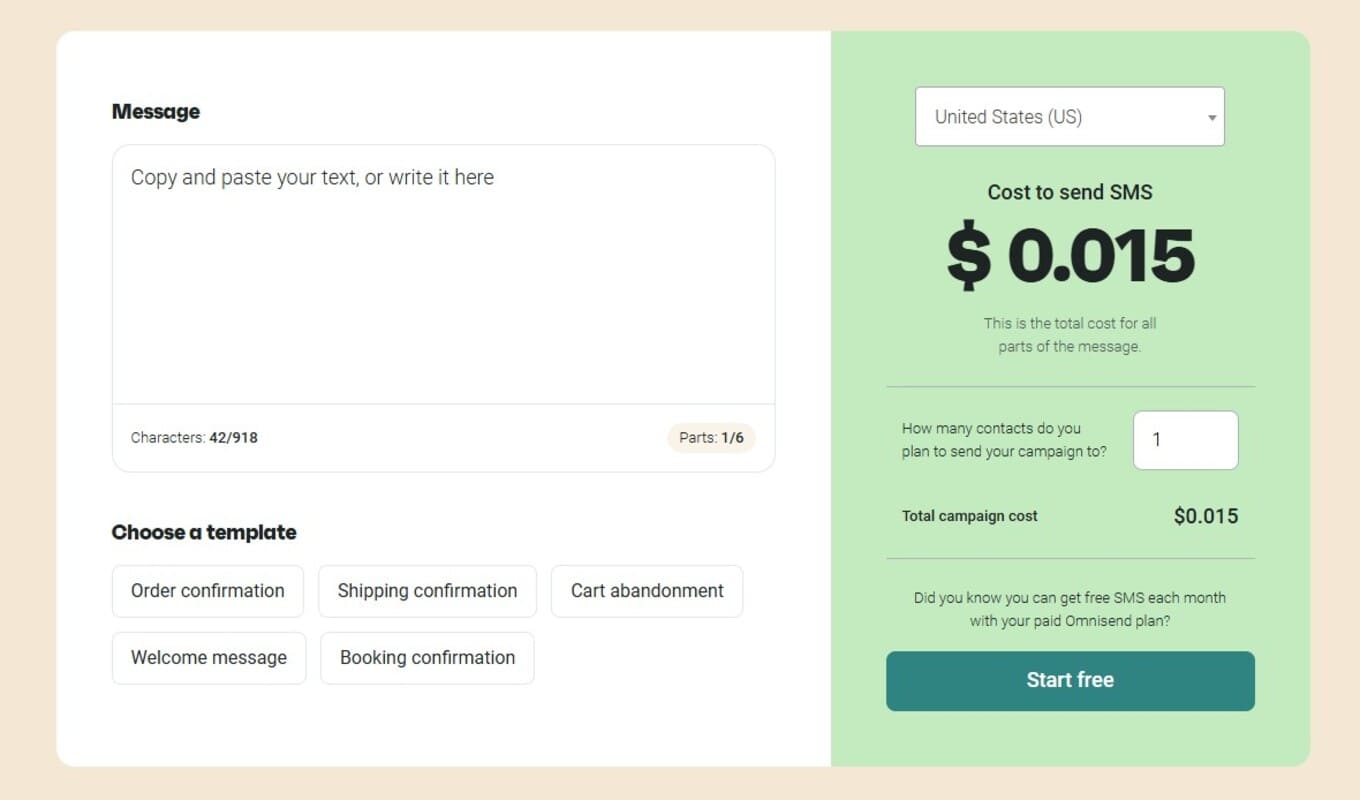
Unlike email marketing, SMS has a direct cost for every message sent. Sending texts to inactive, incorrect, or uninterested numbers wastes resources. Message length also affects cost. Longer messages may be divided into many segments, increasing the cost per message.
To avoid surprises, use the Omnisend SMS calculator to estimate campaign costs. It shows how message length and audience size influence pricing:
- Conversion rate reflects list relevance:
Omnisend’s 2026 research shows that the global average click-to-conversion rate is 0.97% for SMS campaigns is 0.97%. In the UK, it’s 5.1%, proving that SMS continues to deliver high engagement and conversion rates. This is especially true when messages target the relevant audience.
- Opt-out rates reveal declining list quality:
A rising unsubscribe rate is often the first sign that your SMS marketing list growth strategy needs attention. If people are leaving soon after joining, it may mean the expectations set during signup don’t match the messages being sent. It could also mean that the audience isn’t interested.
How to build an SMS marketing list from scratch
To build an SMS marketing list from zero, you must set up the right opt-in opportunities across your customer journey. You must also be transparent about what subscribers are signing up for. The opt-in process should follow legal requirements from the start.
Opt-in methods that work for ecommerce
Below are some effective opt-in methods that work well for ecommerce brands:
- Website popup or flyout: A timed popup or exit-intent flyout invites visitors to join your SMS list. You can offer an incentive, such as a promo code or free shipping. This method effectively brings in new subscribers because it appears while visitors browse your store.
- Checkout opt-in: Customers can subscribe while paying for items. This is a high-intent moment because the shopper is already making a purchase. This often leads to higher-quality signups.
- Keyword opt-in: With this method, customers text a specific keyword (such as “JOIN”) to your shortcode or long code to subscribe. It works well for in-store promotions, product packaging, print materials, and social media campaigns. It also creates a consent record since the subscriber starts the conversation.
- Embedded signup form: You can add a static form on your website footer, a dedicated landing page, or a “join our VIP list” page. It’s a simple way for visitors to opt-in without a popup interrupting them. This form attracts more intentional subscribers, which can lead to long-term engagement.
- Email-to-SMS: If you already have an email audience, invite them to join your SMS list through a targeted campaign. Customers tend to join more quickly because they already know and trust your brand. This method attracts high-quality opt-ins because these subscribers want to remain engaged with your brand.
- Post-purchase flow: After a purchase, when customers are satisfied with your brand, this is a good time to invite them to sign up for SMS updates, exclusive offers, or order notifications. They just had a positive experience and may want to stay connected.
What to include in your opt-in
Your opt-in form is where SMS compliance begins. Collecting consent the right way prevents you from facing regulatory issues or losing customers’ trust.
Before you launch any opt-in form, make sure it includes the following:
- Explicit consent language: For example: “By submitting, you agree to receive marketing text messages from [Brand].”
- Message frequency disclosure: Let subscribers know how often they’ll hear from you, such as: “Up to X msgs/month.”
- Opt-out instructions: Explain how subscribers can stop receiving messages should they choose to (for example, “Reply STOP to unsubscribe.”)
- Carrier rates notice: It’s standard practice to include a short disclaimer like: “Msg and data rates may apply.”
- Links to your privacy policy and terms: Allow subscribers to review how you’ll use their data and what they’re agreeing to
It’s important to note that pre-checked boxes aren’t valid consent under TCPA laws. The subscriber must take a deliberate action, such as checking the box themselves or submitting the form, to confirm opt-in.
Many marketing platforms simplify this process by providing compliant opt-in templates. For example, Omnisend’s template gallery includes templates for emails, popups, embedded forms, landing pages, and flyout forms. They’re designed to meet common consent requirements such as the GDPR and the TCPA.
Should you buy an SMS list?
You should never buy an SMS marketing list. Such lists contain phone numbers from people who never gave your brand permission to contact them.
Sending marketing texts to them violates regulations like the TCPA. This law requires explicit consent before sending promotional SMS messages. If you violate these laws, you could pay hefty fines.
Beyond the legal risks, purchased SMS marketing lists don’t perform well because the recipients aren’t interested in receiving messages from you. Hence, they’re more likely to ignore them, opt out immediately, or mark them as spam.
This leads to higher unsubscribe rates, lower conversions, and potential deliverability issues. Even worse, you’ll waste your SMS budget on messages that were never wanted in the first place.
How to grow your SMS marketing list
Setting up your opt-in touchpoints is only the starting point. You still need to grow your list actively to achieve compounding results over time. The following SMS marketing list growth strategies can turn your SMS list into a revenue channel:
- Lead with a strong incentive: Customers rarely hand over their phone numbers without a reason. Offers, like a price reduction or free shipping, can be compelling. Ensure that the value you’re offering is worth the exchange.
- Use popups strategically: Exit-intent popups capture visitors before they leave. Meanwhile, scroll-triggered or time-delayed popups reach engaged browsers mid-session. Test different triggers, offers, and form designs to find what converts best for your audience. Small adjustments in popup content or timing can increase opt-in rates.
- Promote SMS at every customer touchpoint: Your SMS opt-in form isn’t only for your website. Mention your SMS list on email footers, order confirmation pages, packaging inserts, social media bios, and customer service interactions. This makes it hard to miss, and customers will start seeing SMS as a faster way to interact with your brand.
“The brands that grow their SMS lists fastest may not even run bigger campaigns. They try to create more moments where opting in doesn’t appear promotional. The entire experience is natural and worthwhile. In ecommerce, every touchpoint is an opportunity, and your business should maximize it.”
— Andrius Šeršniovas, Conversion Specialist at Omnisend
- Run an SMS-exclusive campaign: Give your SMS channel its own identity. Offer incentives that subscribers can’t get on another channel. This could be a flash sale announced only via text, a limited product drop, or a members-only offer code. Promote these exclusives via email and social media to create urgency and give undecided visitors a reason to opt-in.
- Leverage your existing email list: Email-to-SMS campaigns generate highly engaged SMS subscribers. These contacts have already demonstrated interest in your brand. An SMS opt-in deepens that relationship.
- Use double opt-in for quality control: After someone submits their number, send an automated text asking them to reply YES to confirm their subscription. This extra step ensures the contacts on your list genuinely want your messages. This helps build a high-quality SMS marketing list with high deliverability and conversions.
“Some marketers may resist double opt-in because they worry about losing subscribers in the confirmation step. But those are exactly the subscribers you don’t want. Unconfirmed contacts inflate the size of your SMS marketing list. It also drags down every metric that’s important to your ecommerce business, including open rates, click-through rates, and conversions.”
— Desislava Zhivkova, CX Deliverability Team Lead at Omnisend
- Capture at the point of sale: Whether online or in-store, the checkout moment is your chance to collect SMS consent. For a physical store, you can invite customers to text a keyword or scan a QR code at the register. For your online store, use a post-purchase page or confirmation email with an SMS opt-in prompt.
How to segment your SMS marketing list
Sending the same message to every subscriber is one of the main reasons SMS lists underperform. With segmentation, your brand can send more relevant messages to smaller, targeted groups.
When subscribers receive texts that reflect their buying behavior or relationship with your brand, they’re more likely to engage. This leads to higher conversions and fewer opt-outs.
Here are the most useful segmentation criteria for ecommerce SMS lists:
- Purchase history: Segment customers by what they bought, how recently, and how often. A customer who has placed three orders in the last 90 days deserves a different message than someone who bought once six months ago. Use purchase data for segmentation. This lets you reward loyalty, re-engage lapsed buyers, and tailor product recommendations.
- Opt-in source: A subscriber who opted in at checkout already has a transactional relationship with your brand. Someone who signed up through a popup offer may still be evaluating whether to buy. Knowing when each contact joined your SMS marketing contact list helps you identify the right tone and expectations for each group.
- Engagement level: Separate subscribers who regularly open and click on offers from those who have gone quiet. High-engagement segments are best for early access drops, exclusive offers, and new product launches. Send an inactive-segment re-engagement campaign with a strong incentive before removing them from your list.
- Geographic location: Knowing your subscribers’ time zone allows you to optimize SMS send times. This way, your messages can reach subscribers when they are active. It’s also useful for promoting region-specific sales, local events, or store openings.
- Loyalty tier: If you run a loyalty program, segmenting by tier lets you send messages that match each member’s status. It might be a points update for a mid-tier member or an exclusive reward for your highest spenders. This approach reinforces the value of your loyalty program and gives customers a tangible reason to keep upgrading.
- Browse or cart behavior: Customers who viewed a product multiple times or abandoned a cart have the highest intent on your SMS lists. These behaviors show that they’re actively considering buying from your brand. You can send follow-up text messages, such as reminders or limited-time offers.
SMS list hygiene: How to keep your list healthy
Some brands overlook list hygiene. It’s why many SMS programs start getting high opt-out rates. If a list isn’t maintained regularly, the quality declines even when it keeps growing.
Here are some useful tips to maintain SMS list hygiene:
- Remove invalid numbers promptly: Phone numbers can become inactive or entered incorrectly during signup. Removing invalid numbers ensures your list is accurate and prevents wasted spend on messages that won’t deliver.
- Monitor and act on opt-outs: Getting opt-out requests is normal in SMS marketing. However, sudden spikes can signal real issues. Track the trends to identify the root cause and optimize your SMS marketing list growth strategy accordingly.
- Run re-engagement flows for inactive subscribers: Before removing a subscriber, give them one more chance to re-engage. A limited-time offer, a reminder of SMS benefits, or a preference update can help reactivate interested contacts before they disengage completely.
- Avoid sending to lapsed subscribers without re-permission: A subscriber who hasn’t engaged in six months or more is a deliverability risk. It’s better to run a re-permission or winback campaign to ask whether they’d still like to hear from your brand.
- Review sending frequency regularly: Message frequency directly impacts engagement and unsubscribe rates. Review how often you send and how different segments respond. Stay visible without overwhelming subscribers.
Tools like Omnisend’s reporting dashboard make it easier to monitor your SMS marketing list. You can track opt-out rates, delivery rates, and engagement across various segments. This visibility provides enough data to act before your SMS list’s health declines.
SMS list vs. email list: How they work together
SMS and email lists aren’t interchangeable as they play different roles in communicating with customers and work best when used together.
A key difference lies in how these lists are built. It’s easy to build an email list from scratch because the opt-in friction is low. Users only need to submit their email address.
Text message lists, on the other hand, grow more slowly because customers are more protective of their phone numbers. However, it provides higher-intent subscribers, as subscribers who give their phone numbers are willing to build a stronger relationship with the brand.
Email is ideal for longer-form content like newsletters, product education, and nurture campaigns. SMS is better for time-sensitive messages, high-urgency offers, and moments where immediacy matters. Such situations include flash sales, restock alerts, shipping updates, or limited-time offers.
Using both channels together in coordinated flows works better than using either channel on its own. For example, you can send an email campaign first, then follow up with an SMS reminder for subscribers who didn’t open the email.
Omnisend’s research shows that automated emails earn $2.87 per send on average. Automated SMS messages earn an average of $0.74 per send. This shows that using email and SMS separately will only capture one revenue stream.
The video below shows how email and SMS stack up across key metrics, such as open rates, conversions, and response time:
 | After list cleaning and segmentation to remove unengaged contacts, CLVmaxers designs email automations layered with SMS. Its welcome email series resulted in a 52% open rate, 7.5% conversion rate, and over 1,000 first-time orders in 12 months. Read the CLVmaxers case study to learn more about its automation strategy. |
Managing your SMS marketing list with Omnisend
To manage an SMS marketing list effectively, you need the right tool. It should help capture compliant opt-ins, segment subscribers based on behavior, automate relevant messages, and monitor performance over time.
When these features are spread across multiple platforms, it may be harder to maintain a healthy, high-performing list. This results in complicated workflows and siloed data. The gaps between systems can lead to lost revenue.
Omnisend brings these capabilities together on a single platform built specifically for ecommerce businesses. It offers features like customizable opt-in forms, advanced segmentation, SMS marketing automation, list hygiene tools, and revenue reporting.
This unified approach makes it easier to build stronger subscriber relationships while keeping performance and compliance under control.
Get started with Omnisend and manage your SMS marketing list, from opt-in to automation and revenue reporting
Quick sign up | No credit card required

TABLE OF CONTENTS
TABLE OF CONTENTS


Subscribe and don’t miss any updates!
No fluff, no spam, no corporate filler. Just a friendly letter, twice a month.