Omnisend AI


 OFFER
OFFER









If you’re searching for how to make money on Shopify, you’re on the right track. However, it’s more important to determine which path actually fits your budget, schedule, and goals.
Three things determine how much you’ll earn — which method you pick, how long you stick with it, and how you drive traffic to your store.
For context, Shopify’s Q4 2025 earnings report shows that merchants processed $378 billion in gross merchandise volume across the year. However, is Shopify profitable for you specifically? Well, it depends.
This guide covers exactly how to make money on Shopify in 2026. You’ll find 13 proven methods and a decision framework to help you pick the right one. Once you get started, you’ll also need to consider realistic income benchmarks and implement tips to grow your revenue.
Quick answer: Can you actually make money on Shopify in 2026?
Yes, you can make money on Shopify in 2026 — but how much you can make varies widely. Most committed solo proprietors earn a few hundred to a few thousand dollars monthly. Reaching mid-five figures takes time, and six figures is achievable for only a small minority.
The gap is attributed to three factors: your chosen method, timing, and traffic strategy. So, do Shopify stores make money consistently? Honestly, it just depends on how much work you put into it.
Shopify processed $378 billion in merchant GMV in 2025.
This figure proves that buyers are purchasing here at scale. However, that number reflects millions of merchants, and your slice depends on the choices you make from day one.
Meanwhile, is Shopify profitable for beginners as well? It can be, with the right methods and a realistic timeframe.
In this article, you’ll find 13 methods for how to make money on Shopify. Each one features income ranges and a decision framework to match the right one to your situation.
What it actually costs to run a Shopify store
Running a Shopify store costs anywhere from $5 to $399/month. You’ll also need to consider some additional expenses. Reading a detailed Shopify review before committing can help you understand what you’re signing up for.
Here’s a look at current plans and which methods fit each tier. Pricing is verified on the Shopify pricing page in June 2026:
| Plan | Monthly cost | What's included | Best for |
|---|---|---|---|
| Starter | $5/month | Shoppable links, social selling, no full storefront | Social selling, affiliate marketing, and digital products |
| Basic | $27/month | Full online store, core features, unlimited products | Dropshipping, print-on-demand, handmade goods, digital products |
| Grow | $72/month | Everything in Basic, with up to five staff accounts | Subscription boxes, private-label brands, consulting |
| Advanced | $399/month | Everything in Grow, along with live third-party shipping rates and up to 15 staff accounts | High-volume stores, store flipping, and app development |
Aside from the Shopify subscription fee, here are a few other costs worth factoring in when learning how to make money on Shopify:
- Transaction fees: Without Shopify Payments, Shopify charges an additional two percent per transaction on the Basic plan
- Credit card processing: Shopify Payments charges 2.9% + 30¢ per online transaction, but this decreases as you move up
- Apps: Essential apps typically run at $0-$200/month
- Theme: Premium themes have a one-time cost of $100-$500
- Domain: A custom domain costs around $14/year
How much does it cost to start a Shopify store? Most beginners spend $100-$300 in their first month. This covers your plan subscription, a domain, and one or two essential apps.
Most methods in this guide work on the Basic plan. When you’re ready to launch, a Shopify launch checklist can help you avoid small oversights early on.
13 ways to make money on Shopify in 2026
There’s no single right answer on how to make money on Shopify. It depends on what you’re starting with. Each method below covers:
- Best for
- Effort level
- Income range
- Marketing math
- A real business example
Clothing and apparel are the top-selling categories on Shopify, per Shopify’s own trending products data. If that’s your niche, this online clothing store guide can help.
Whether you’re looking for a Shopify side hustle or a full-time business, there’s a model here for you. In a further section, you’ll find a comprehensive decision framework to help you decide which approach to take.
1. Dropshipping
Learning how to make money on Shopify dropshipping is a low-barrier way to start. Sell products without holding inventory. When a customer places an order, your supplier handles shipping.
Best for
Beginners wanting to test ecommerce without upfront inventory costs.
Effort level
Moderate — you’ll need a Shopify dropshipping guide to research products, set up ads, and handle customer service.
Income range
According to TrueProfit’s analysis of 1,200+ dropshipping stores, beginner monthly earnings reach up to $2,000. Intermediate sellers reach $2,000-$10,000/month.
Marketing math
Omnisend’s 2026 Ecommerce Marketing Report shows that automated emails, like abandoned cart flows, drive 30% of email sales from just 2% of email volume.
This automation, along with the right dropshipping marketing strategies, helps maximize profits for thin-margin stores.
Example
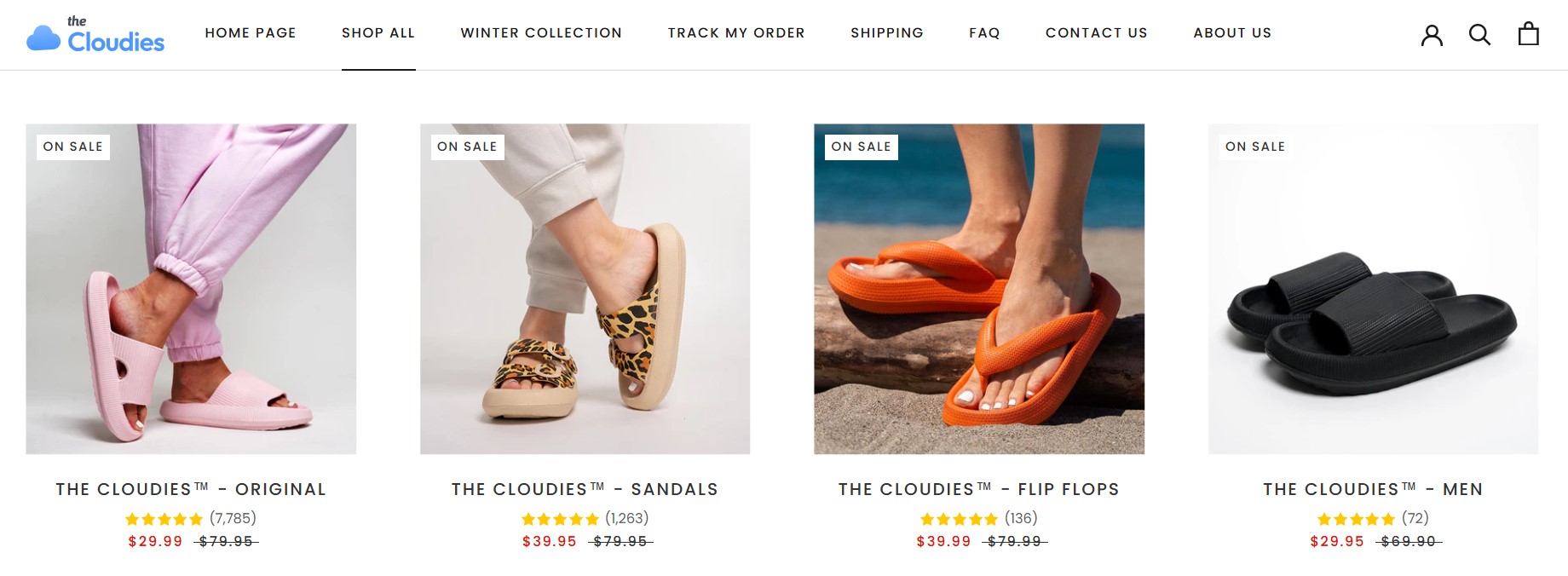
The Cloudies is a successful Shopify dropshipping store with a tight catalog and consistent brand:
2. Print-on-demand
Print-on-demand is one of the best ways to make money on Shopify with no upfront cost. Create and list designs. A third-party supplier handles printing and shipping. Shopify integrates with the best print-on-demand apps to manage fulfillment.
Best for
Artists, designers, and creators looking to start a product line without upfront costs.
Effort level
Low to moderate — setup is quick, but design quality and niche selection are essential.
Income range
Most POD sellers reach $1,000-$3,000/month, per TrueProfit’s analysis. The global POD market hit $10.78 billion in 2025, with a CAGR of 23.6%.
Marketing math
Omnisend’s email marketing benchmarks show welcome emails generate $6.16/send. One in two people who click a welcome email make a purchase.
Example
Jolie Noire is a Shopify POD store celebrating Black beauty. It built a loyal following with its striking designs:

3. Handmade and custom products
By knowing how to make money on Shopify with handmade goods, you can cater to buyers who don’t want mass-produced products. Handmade products command higher prices.
Best for
Artists and creators who want full control over their product quality and brand identity.
Effort level
High — every item requires hands-on production. You must also manage Shopify collections, orders, and marketing.
Income range
Earnings vary depending on niche, pricing, and output — from $200/month for newer sellers to $10,000+/month for established brands. The global handicraft market hit $1.2 trillion in 2025.
Marketing math
Omnisend’s 2025 ecommerce report shows that post-purchase flows achieve a 22.64% click-to-conversion rate. This drives repeat sales for handmade stores, where buyers frequently return for occasions.
Example
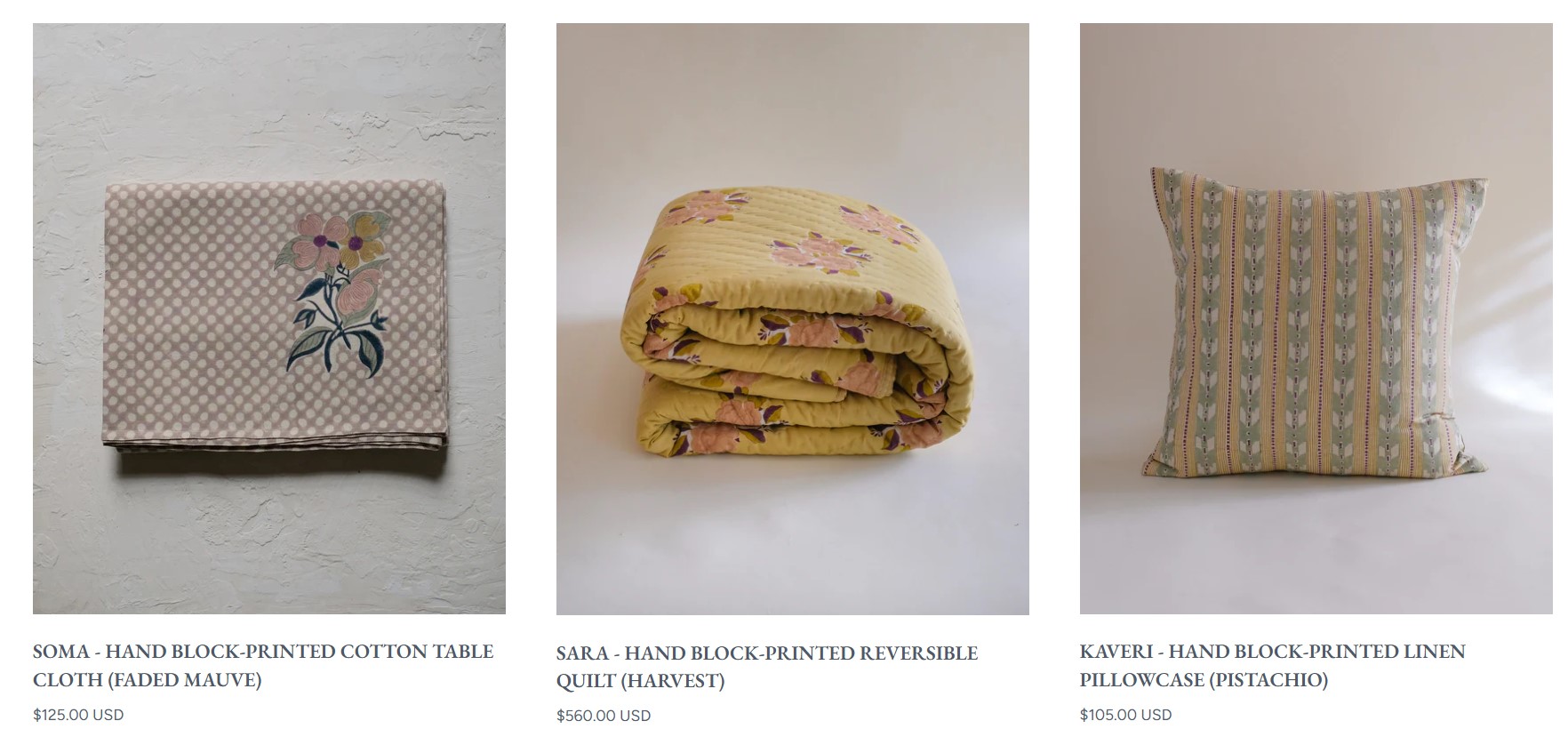
Soil to Studio sells beautifully handcrafted products made using traditional techniques. With Shopify, it reaches a global audience:
4. Digital products
Digital products, such as ebooks, templates, and courses, are one of the highest-margin ways to make money on Shopify. Create the product once and sell it repeatedly. There’s no inventory or shipping costs.
Best for
Creators, educators, and designers looking to turn knowledge or skills into a scalable income.
Effort level
High upfront — creating a quality product takes time. You should also manage marketing and updates.
Income range
Kajabi’s 2025 State of Creator Commerce report found that creators who sell their own digital products earn 200% more than those who rely only on social platforms.
Marketing math
Email traffic converts at an average of 4.3%, compared to just 0.9% for organic social, per Ruler Analytics’ 2026 conversion benchmark study. An engaged email list consistently outperforms social traffic for direct sales.
Example
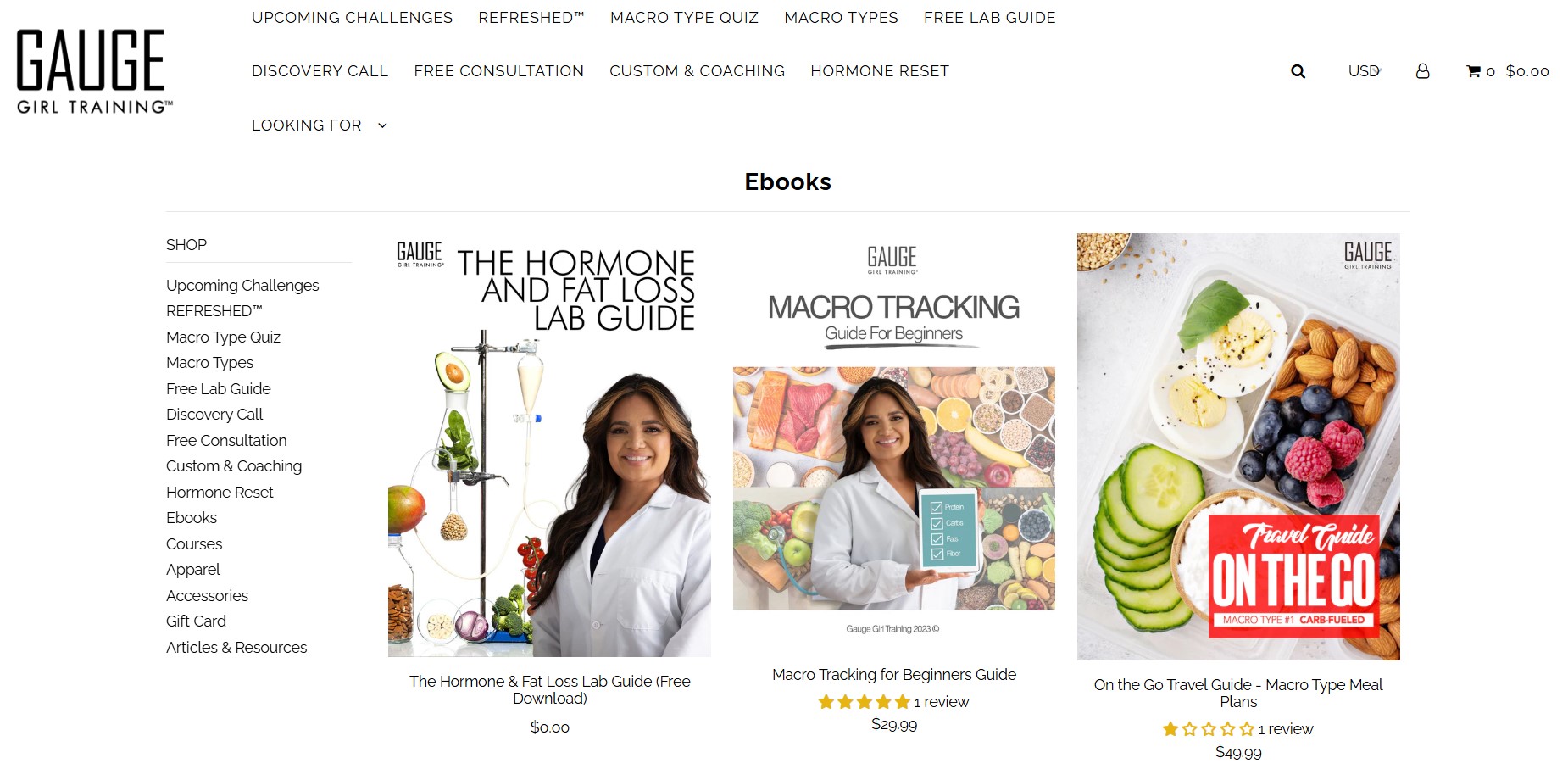
Gauge Girl Training sells customized meal plans, workout guides, and nutritional ebooks on Shopify:
5. Subscription boxes
Subscription boxes provide a steady income, making them a predictable way to make money on Shopify. This involves curating and shipping a box of products on a regular schedule.
Best for
Entrepreneurs with deep knowledge of a niche market who can consistently source on-demand products.
Effort level
High — you’ll need to source products, manage subscriptions, pack boxes, and keep offerings fresh to reduce churn.
Income range
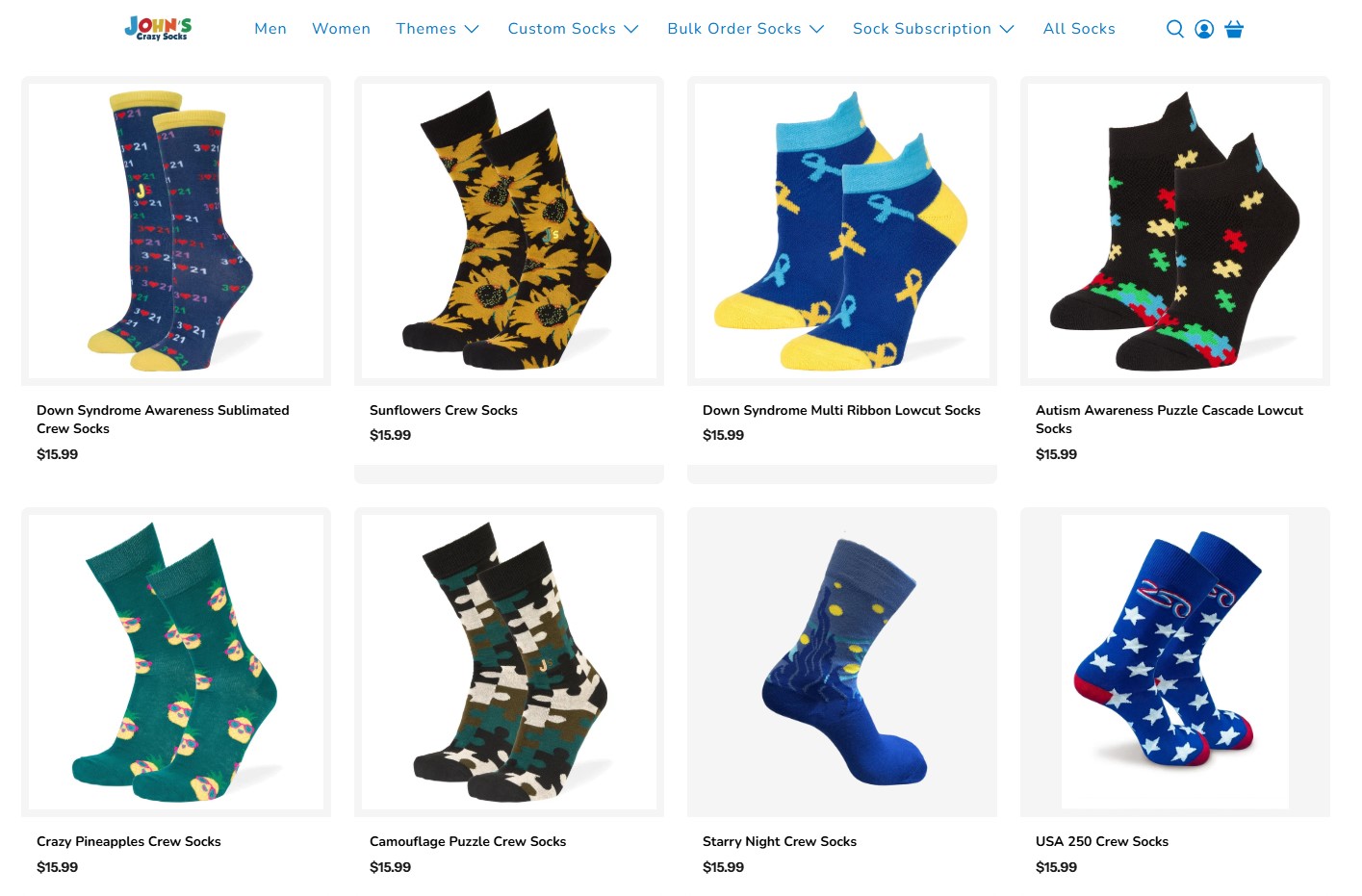
The global subscription box market hit $42.5 billion in 2025 and is projected to reach $124.1 billion by 2034, per IMARC Group. Top performers like John’s Crazy Socks have generated $4 million in revenue.
Marketing math
Per Omnisend’s subscription renewal email guide, a well-timed renewal reminder sequence helps prevent cancellations and protect recurring revenue.
Example
John’s Crazy Socks delivers creative subscription boxes filled with fun, colorful socks. It builds a loyal customer base through its strong brand mission:
6. Consulting and services
Shopify isn’t just for physical products. Figuring out how to make money on Shopify as a service provider is often overlooked. However, it’s great for those with marketable skills, such as design or business strategy.
Best for
Business, design, or marketing professionals with marketable skills.
Effort level
Moderate — no inventory, but client communication, scheduling, and delivery all require consistent attention.
Income range
North American Shopify consultants typically earn $45-$70/hour at mid-level and $60-$95/hour at senior level, per Lemon.io’s 2026 rate report.
Marketing math
Cold outreach converts at just 0.22% on average, per Reachoutly’s 2025 data — a fraction of what a regular newsletter delivers. List-building is an effective client acquisition tool for those figuring out how to make money on Shopify in the service industry.
Example
We Make Websites has built its reputation working with high-growth ecommerce brands:

7. Affiliate marketing
Affiliate marketing is a simple way to make money on Shopify. Curate product collections, drive traffic, and earn a cut of every sale made through your affiliate links.
Best for
Content creators who want to make money on Shopify without managing physical products.
Effort level
Moderate — build a loyal audience and drive consistent, high-intent traffic.
Income range
Earn anywhere from $100 to over $2,500/month on the Shopify Affiliate Program. It pays $150 per referred merchant.
Marketing math
Omnisend’s email vs. social media analysis shows email delivers a 36:1 ROI. Instagram reaches just four percent of followers organically, and Facebook reaches under one percent.
An owned email list consistently outconverts social audiences. This is why affiliate email marketing works.
Example
Shopify’s affiliate program lets you earn recurring commissions by referring new merchants. With Shopify Collabs, connect with brands and manage partnerships directly through your store:

8. Shopify app development
If you can code, building for the App Store is a lucrative way to make money with Shopify. Merchants constantly need apps to automate tasks and improve their storefronts.
Best for
Developers and technical entrepreneurs who understand ecommerce workflows and merchant pain points.
Effort level
High — building, testing, and maintaining an app takes time. Also, Shopify’s quality review takes two to four weeks.
Income range
HulkApps’ analysis of 7,378 Shopify apps found an average monthly revenue of $20,037 per app, though the median is just $725. Developers keep 100% of their first $1M in yearly Shopify App Store sales.
Marketing math
ChartMogul’s 2026 SaaS conversion report shows a median free-to-paid conversion rate of eight percent. To beat this average, you need a structured onboarding email sequence.
Example
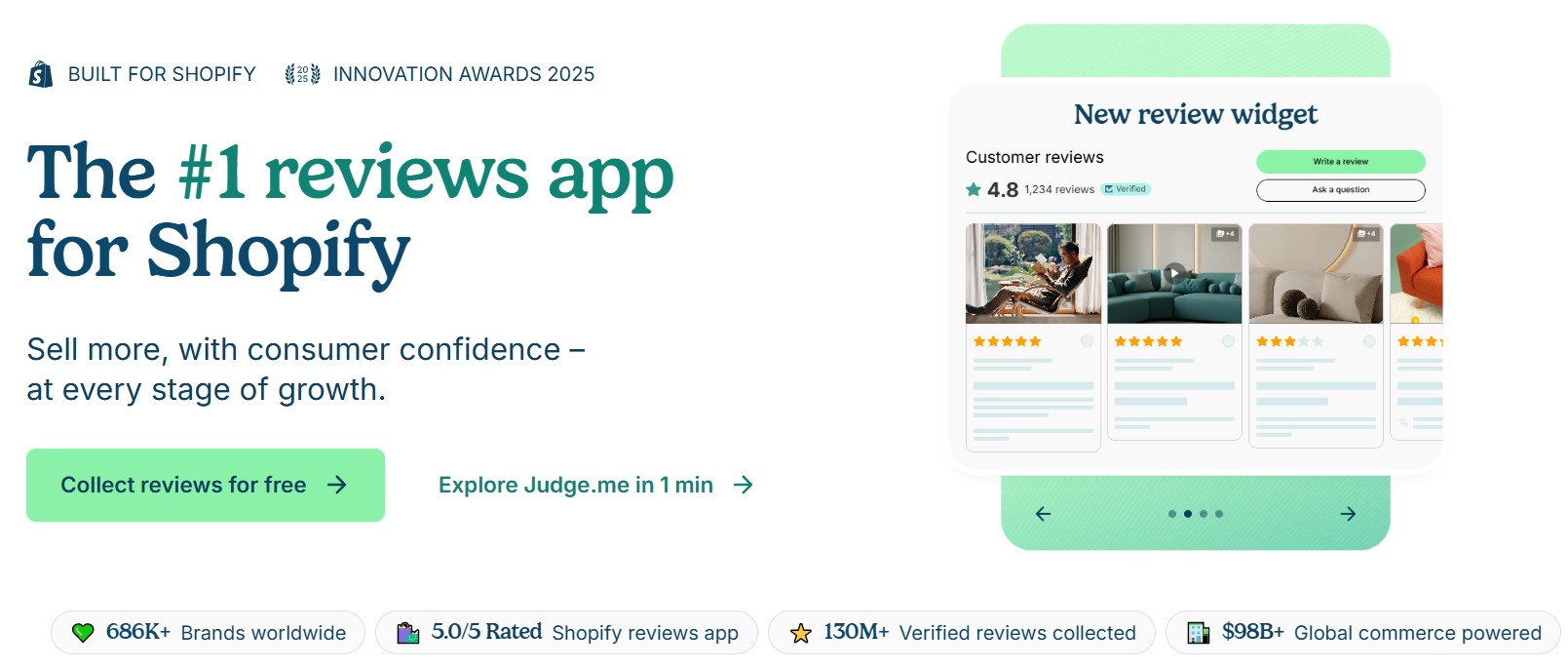
Judge.me is a top-rated Shopify app that helps hundreds of thousands of merchants manage their product reviews:
9. Thrifted and vintage goods
Secondhand selling is a creative path for those looking to make money on Shopify. About 60% of USA millennials and Gen Z prioritized buying from sustainable brands in 2025.
Best for
Collectors who can consistently source, photograph, and list pre-owned inventory.
Effort level
Moderate to high — source inventory regularly, list each item, and handle shipping.
Income range
Income here can fluctuate. A 2025 survey by Pre-Loved found that 81% of full-time dealers actually earn below a living wage. That said, there is still huge potential. The global secondhand market is worth a massive $393 billion, and it’s growing twice as fast as the rest of the fashion industry.
Marketing math
Omnisend’s 2026 report shows that back-in-stock emails are one of the best automations. Combine those with new arrival SMS alerts to drive more revenue.
Example
Luxury Garage Sale sells high-end pre-owned items on Shopify:

10. Private-label brands
Private labeling is one of the highest-ceiling ways to make money on Shopify over the long term. You source products from a manufacturer and sell them under your own brand.
Best for
Entrepreneurs who want to sell custom products without managing production.
Effort level
Moderate to high — finding reliable suppliers, building a brand, and marketing take real effort.
Income range
According to VantaInsights, private-label products beat national-brand gross margins by 25-30%. USA private label sales reached a record $282.8 billion in 2025.
Marketing math
Omnisend’s 2026 report shows abandoned cart and welcome emails drove 76% of all automation-generated orders. Private-label stores know that customer acquisition can be expensive. By protecting first-time buyer revenue, you ensure you don’t lose money on your initial sales.
Example
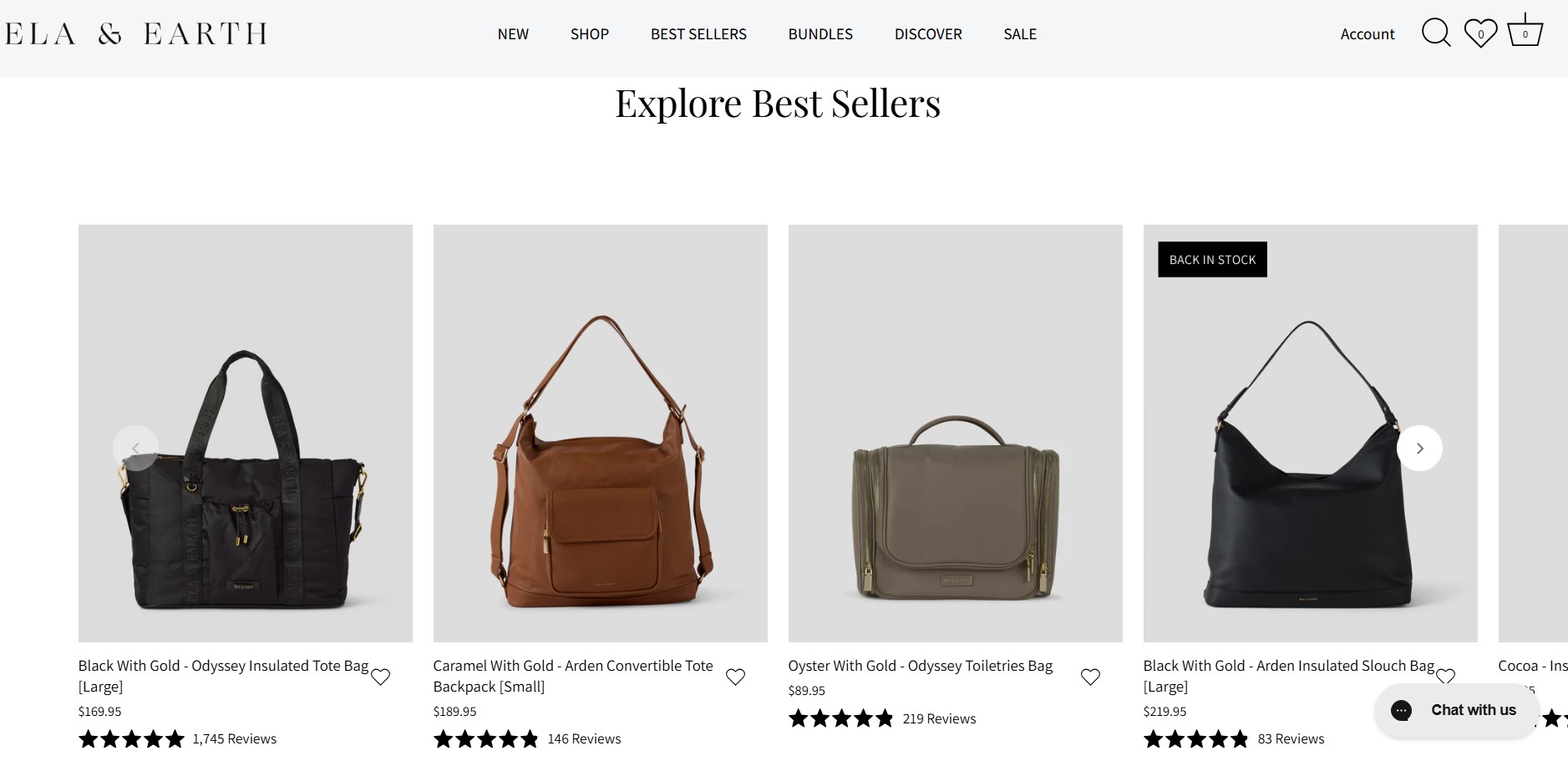
Ela & Earth sells eco-friendly private-label products. It builds brand loyalty around sustainability:
11. Buying and flipping Shopify stores
For a high-ceiling approach to making money on Shopify, try store flipping. Buy an underperforming site, improve its performance, and sell it at a profit.
Best for
Ecommerce operators with store optimization experience and upfront capital.
Effort level
High — sourcing the right store, fixing its problems, and managing the resale requires effort.
Income range
Most Shopify stores sell for 2.5x-4x their annual net profit. Based on this, a store making $500/month could sell for $15,000-$24,000.
Marketing math
Per Omnisend’s abandoned cart data, one in three people who click an abandoned cart email make a purchase. For unautomated stores, this single flow quickly lifts revenue and directly increases your store’s resale multiple.
Example
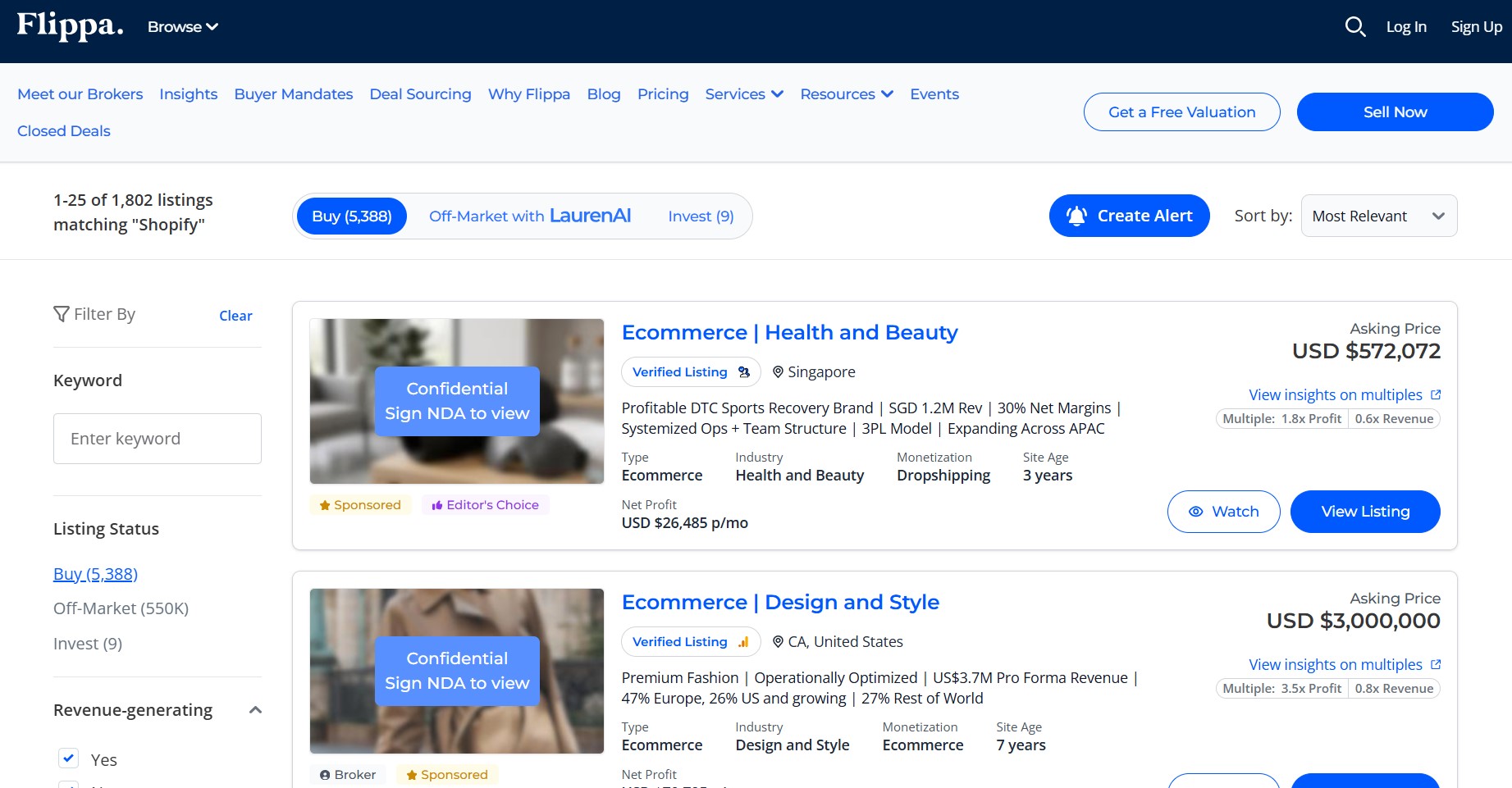
Flippa is the most active marketplace for buying and selling Shopify stores. Browse active listings to check current prices before buying your first store.
12. Social selling with Shopify Starter
An existing social media following offers a low-friction path to making money on Shopify. Instead of building a full store, use the streamlined Shopify Starter plan.
Best for
Creators and influencers want to sell without building a full online storefront.
Effort level
Low to moderate — setup is quick, but consistent sales depend on audience engagement.
Income range
TrueProfit found that 60% of new Shopify stores earn less than $1,000/month in their first year. You’ll outgrow the Starter plan’s limits once you surpass $2,000/month.
Marketing math
Per Omnisend’s 2026 report, SMS volume grew 40% in 2025. Automated SMS flows have a 3.81% click-to-conversion rate, pairing well with an existing audience to drive repeat purchases.
Example
Steve the Bartender used the Shopify Starter plan to pre-sell his cocktail guidebook directly through his Instagram and YouTube bios:

13. Online courses and knowledge products
If you have proven expertise, creating courses or coaching programs is a high-margin way to make money on Shopify. Create the content once and sell it repeatedly.
Best for
Educators, coaches, and consultants with an audience or content engine to drive traffic.
Effort level
High upfront — building quality content takes time.
Income range
Per Kajabi’s August 2025 data, creators on its platform average $190K/year in revenue. The global online learning market will reach $289.14 billion by 2030.
Marketing math
Omnisend’s 2026 benchmarks show that automated emails generate $3.41 per send. This is 22 times higher than traditional campaigns. Automated post-purchase emails that offer one-on-one coaching help land more high-value clients.
Example
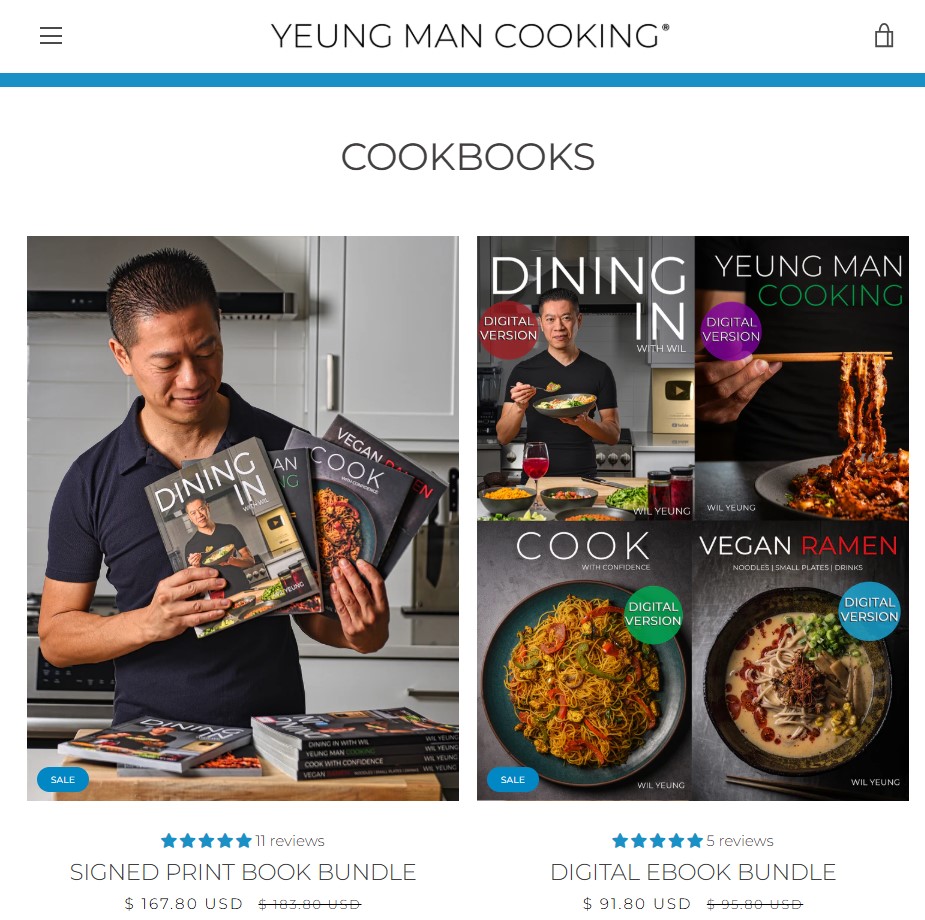
Yeung Man Cooking sells digital and physical plant-based cookbooks through his Shopify store. He built a loyal audience on YouTube and uses his Shopify store to convert those viewers into repeat customers.
Which Shopify method fits your situation?
So, how do you make money on Shopify in a way that actually fits your situation? To begin, answer these three questions:
- How much can I invest in month one? Under $50 opens social selling, digital products, or affiliate marketing. With more budget, you can do dropshipping, print-on-demand, and private-label branding.
- How fast do I need revenue? Digital products and social selling can generate first sales within days. Private-label and app development take months.
- Do I already have a product, skill, or audience? Skills point to consulting or courses. An audience points to social selling. Starting from scratch points to dropshipping or print-on-demand.
Here’s how to use Shopify to make money based on your situation:
| Method | Startup cost | Time to first sale | Monthly income potential | Who picks this? |
|---|---|---|---|---|
| Dropshipping | $0-$100 | Days to weeks | $0-$10,000+ | Beginners with no product |
| Print-on-demand | $0-$50 | Days to weeks | $1,000-$3,000 | Designers and creators |
| Handmade products | $50-$500 | Days to weeks | $200-$10,000+ | Crafters and artisans |
| Digital products | $0-$50 | Days | $1,000+ | Educators and creators |
| Subscription boxes | $500-$2,000 | Weeks to months | $1,000-$10,000+ | Niche market experts |
| Consulting/services | $0-$50 | Days to weeks | $7,000-$15,000+ | Professionals with expertise |
| Affiliate marketing | $0-$50 | Weeks to months | $100-$2,500 | Content creators and bloggers |
| App development | $1,000+ | Months | $725-$20,000+ | Developers and engineers |
| Thrifted/vintage | $100-$500 | Days to weeks | Varies widely | Collectors and thrifters |
| Private-label | $500-$2,000 | Weeks to months | $1,000-$10,000+ | Brand builders |
| Store flipping | $5,000+ | Months | $5,000-$50,000/flip | Experienced operators |
| Social selling | $5 | Days | $200-$2,000 | Creators with social audiences |
| Online courses | $0-$200 | Weeks | $1,000-$10,000+ | Educators and coaches |
Figuring out what to sell on Shopify to make money starts with knowing your ceiling. Dropshipping, print-on-demand, and social selling have the lowest barriers to entry. App development and store flipping have the highest earning potential.
Quick sign up | No credit card required
How much can you realistically make on Shopify?
Most beginners make under $1,000/month in their first six months on Shopify. However, committed operators who take the time to figure out how to make money on Shopify usually scale up to $500-$5,000 monthly within 18 months.
Six figures is achievable, but it’s the minority. Lastly, top-tier stores can generate millions monthly, but this is quite rare. That said, Shopify can be profitable if you treat it as a business rather than a passive hobby.
Here’s a realistic three-tier breakdown by store stage:
| Stage | Timeline | Monthly earnings | Real-world examples |
|---|---|---|---|
| Beginner | Under six months | $0-$500 | Most new stores |
| Intermediate | 6-18 months | $500-$5,000 | The Cloudies |
| Established | 18+ months | $5,000-$100,000+ | John's Crazy Socks ($4M, subscription-focused brand) |
So, how long does it take to make money on Shopify? It’s possible to get your first sale within days or weeks of launching. However, securing a consistent, livable income usually takes six months or more.
And how much money can you make on Shopify over time? For long-term growth, you need consistent marketing. We recommend building email and SMS tools into your marketing strategy from day one.
Omnisend’s 2026 ecommerce marketing report
Automated emails drove 30% of all email revenue from just two percent of sends. Furthermore, Omnisend merchants on paid plans averaged $79 in revenue per $1 spent in 2025.
Unoptimized email sequences cause brands to plateau. Setting up automated flows turns your traffic into predictable, sustainable revenue. This way, your beginner store can become more profitable over the long term.
Six essential tips to grow Shopify revenue once you’ve picked a method
Selecting the right method is only half the work when it comes to making money on Shopify. These six tips apply regardless of which model you choose.
Choose a compelling theme
Pick a clean, fast, and mobile-friendly theme to build trust and keep visitors from leaving your store. Your layout is the first thing visitors judge, so a great design impresses them before they even read a single word. Investing in a premium, customizable one ensures your brand looks professional and can scale with your store.
Create high-quality product visuals
Develop high-quality product photos and videos to show customers what they’re buying. This also boosts your sales and reduces returns. Since online shoppers can’t physically touch your products, your visuals have to do the heavy lifting. Use well-lit shots, close-ups of key features, and even 360-degree views. Dynamic elements like quick video demos keep people engaged, which increases conversions.
Develop a comprehensive marketing strategy
A Shopify store without traffic is just a website. Build a mix of at least two channels. SEO, social media, and paid ads each serve a different role. Relying on just one source of traffic is risky. When exploring how to market your business, it’s best to diversify your reach to ensure steady growth. Building a sustainable blueprint helps drive consistent, high-converting clicks to your store.
Use Shopify Magic to save time
Shopify Magic is a suite of free AI tools built directly into your Shopify admin. It includes product description generation, image background removal, and logo creation. It also features Sidekick, an AI assistant that analyzes your store data.
Pairing these native features with the best Shopify apps allows you to automate your backend workflows fully. This way, you’ll have more time to focus on developing products and acquiring customers.
Build email and SMS from day one
Brands that combine SMS and email generate more revenue. This is especially important, given that Shopify’s cart abandonment rate is around 70%. Setting up automated flows on day one can directly recover that revenue. In fact, Omnisend’s 2026 Ecommerce Marketing Report shows that automated abandoned cart recovery yields a 39% click-to-conversion rate. An owned subscriber list allows you to launch targeted campaigns without constantly paying for retargeting ads.
Establish excellent customer service
Great customer service helps retain customers. Repeat shoppers bring in long-term revenue. Keeping them happy costs less than acquiring new ones. To build loyalty, launch a live chat, create a detailed FAQ page, and use Shopify Inbox to manage every conversation from a single dashboard. A seamless post-purchase experience creates more brand advocates.
Frequently asked questions
What sells best on Shopify in 2026?
Shirts and tops are the bestselling products on Shopify, with T-shirts leading the pack. Skincare, makeup, supplements, and pants round out the top five. Look for products with universal demand, healthy margins, and strong visual appeal. These products tend to perform across most store models because they’re easy to market and have a massive pool of potential buyers.
How fast can I make money on Shopify?
Most sellers can make money on Shopify within the days or weeks of launching. They get their first sale then. However, it could take weeks or months to build a steady income. Effective product launches and marketing can drive immediate sales. However, long-term success usually requires refining strategies and growing your customer base.
How much does it cost to start a Shopify store?
Starting a Shopify store typically costs $100-$300 for your first month. The Basic plan costs $27/month, a custom domain costs around $14/year, and essential apps usually cost $50/month. You can launch a store without breaking the bank.
Can you make money on Shopify without inventory?
Yes, you can make money on Shopify without handling inventory. Dropshipping, print-on-demand, digital products, and affiliate marketing require zero inventory. You can test product ideas and generate sales without buying bulk stock.
How profitable is dropshipping with Shopify?
Shopify dropshipping is still profitable, with plenty of average store owners earning $1,000 to $2,000 a month. The absolute best in the game scale up to six figures. Your success comes down to the basics: picking products people actually want, pricing them for a healthy profit, and running solid ads.
Is Shopify still profitable in 2026?
Yes. Shopify merchants processed $378 billion in GMV in 2025. This shows that the platform continues to grow. Merchants who combine a clear method with consistent email and SMS marketing consistently outperform those who rely solely on traffic.