
 Omnisend AI


 OFFER
OFFER







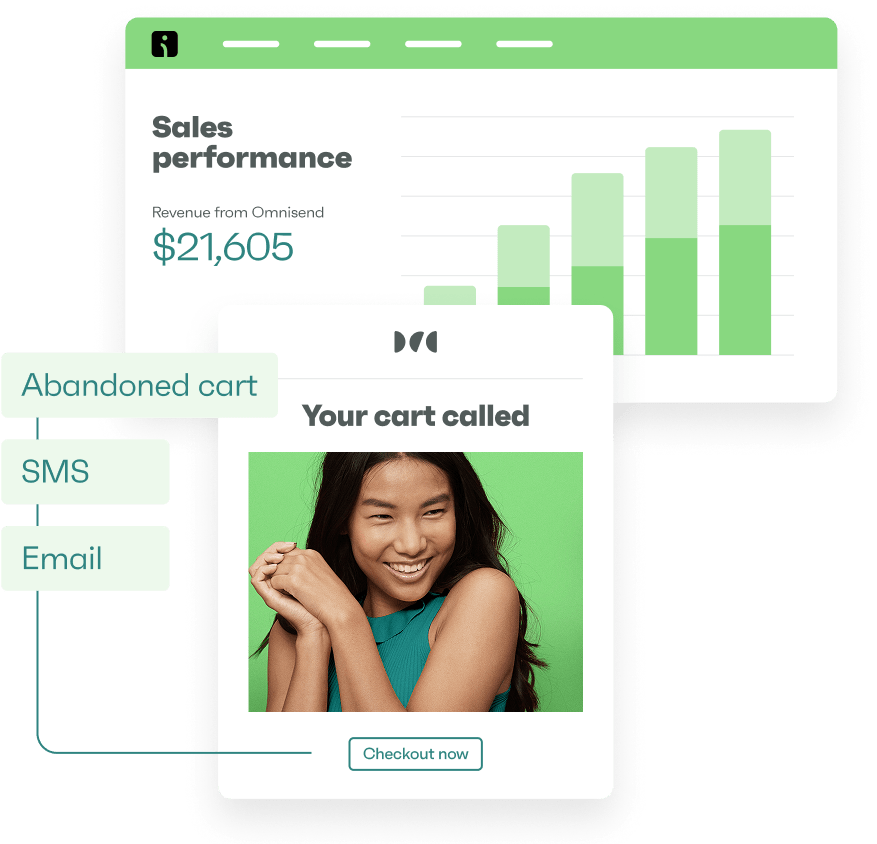
Drive sales on autopilot with ecommerce-focused features
See FeaturesKey takeaways 
Breakup emails serve as a respectful final attempt to re-engage silent prospects, providing them a clear choice to respond or disengage without pressure.
Timing is crucial; sending breakup emails too early risks losing potential sales, while waiting too long wastes time on uninterested leads.
Effective breakup emails leverage psychological triggers like urgency and the need for closure, prompting recipients to take action.
Personalization and a clear call to action are key components that enhance the effectiveness of breakup emails, making them more likely to elicit a response.
Reveal key takeaways
A breakup email is your last attempt to re-engage a prospect or customer who’s gone silent. It helps you close the loop without burning bridges.
When written well, breakup emails can revive cold leads, clarify disinterest, and keep your pipeline clean.
Most people don’t know when to send a breakup email or what to say. Send it too soon, and you risk losing a potential sale. Wait too long, and you waste time chasing someone who’s already moved on.
This guide gives you everything you need to write breakup emails that actually get replies.
You’ll also find ready-to-use templates for B2B sales and ecommerce scenarios, proven subject lines, and a simple framework for crafting your own messages. We’ll also show you how to automate breakup emails with Omnisend.
Get started for free with Omnisend, and automate your emails and turn cold prospects into customers
Quick sign up | No credit card required
What is a breakup email in sales and ecommerce?
A breakup email is the final message you send to a prospect or customer who hasn’t responded to your previous attempts. It’s your way of saying that you’re ready to stop reaching out if they don’t reply and close the email loop.
The goal isn’t to guilt them into responding. Instead, it gives them one last clear opportunity to engage while showing them respect for their time.
Breakup emails are different from regular follow-ups. A standard follow-up email assumes continued interest and nudges the recipient toward the next step.
A breakup email acknowledges the silence and offers a graceful exit. It creates urgency by introducing finality.
They’re also distinct from win-back campaigns. Win-back emails target existing customers who’ve stopped buying or engaging with your brand.
Breakup emails work earlier in the relationship. You send them to prospects who never converted or subscribers who’ve gone cold before making their first purchase.
Here’s what makes breakup emails effective:
- They leave the door open without being pushy
- These emails acknowledge that the timing might not be right
- They prompt action by creating a sense of closure
In B2B sales, you might send a breakup sales email after multiple outreach attempts with no response. In ecommerce, they could go to inactive subscribers or customers who abandoned their carts weeks ago.
“Breakup emails work because they flip the script. Instead of chasing, you’re giving control back to the prospect.” — Evaldas Mockus, VP of Marketing, Omnisend
Why breakup emails work: Psychology and data
Breakup emails tap into powerful psychological triggers that standard follow-ups don’t. Understanding why they work helps you use them more strategically. Here are the key psychological elements at play:
- Scarcity and finality: When someone knows this is their last chance to respond, they’re more likely to act. The sense of an ending pushes people to make a decision they’ve been putting off.
- The need for closure: People don’t like leaving things unresolved. A breakup email forces recipients to make a choice — reply, unsubscribe, or ignore you completely.
- FOMO and loss aversion: Breakup emails remind prospects of what they’ll miss out on if they don’t engage. These emails provide clarity on what’s at stake.
Beyond psychology, performance data backs why breakup emails are worth sending:
- They prompt delayed decisions: Recipients who’ve been on the fence finally commit one way or another
- They clarify non-interest: You stop wasting time on prospects who were never going to convert
- They reduce list bloat: Removing unresponsive contacts improves your overall engagement metrics and sender reputation
Omnisend’s platform data shows how these emails perform in real workflows. This gives you insights into what triggers and timing work best for your audience.
Breakup email templates you can copy today
The fastest way to send breakup emails is to use proven templates and customize them for your specific situation.
B2B sales breakup email templates
Template 1: No response after multiple follow-ups
When to use this: You’ve sent three to five emails over two to four weeks with zero engagement
Subject line options:
- Should I close your file?
- Is this still on your radar?
Email body:
Hi [Name],
I’ve reached out a few times about [specific solution], but I haven’t heard back. I understand you’re busy, and the timing might not be right.
I don’t want to keep filling your inbox if this isn’t a priority. If you’d like to continue the conversation, just reply. If not, I’ll close your file and stop reaching out.
Best,
[Your Name]
Copy text
- Automation trigger: Five days after the last follow-up
Template 2: Prospect engaged but then went silent
When to use this: Customers engaged with your emails but stopped responding
Subject line options:
- Did I lose you?
- Quick question about our conversation
Email body:
Hi [Name],
We had a great conversation about [specific topic] a few weeks ago, but I haven’t heard from you since. I’m not sure if priorities shifted or if I missed something.
I’d love to help if the timing is better now. If not, just let me know so I can stop reaching out.
Thanks,[Your Name]
Copy text
- Automation trigger: Seven days after the last engagement
Template 3: Post-demo or post-proposal silence
When to use this: Customers received your proposal but haven’t responded
Subject line options:
- What did you think?
- Last chance to discuss your demo
Email body:
Hi [Name],
I sent over [proposal/demo details] on [date], but I haven’t heard your thoughts. I know decisions take time, and I don’t want to rush you.
That said, I don’t want to keep following up if this isn’t the right fit. Could you let me know if you’d like to move forward or if I should check back later?
Best,
[Your Name]
Copy text
- Automation trigger: Six days after sending the proposal
Ecommerce breakup email templates
Template 1: Inactive subscribers (60–90 days)
When to use this: Subscribers haven’t opened your emails in 60 to 90 days
Subject line options:
- We miss you — are you still interested?
- Last call before we say goodbye
Email body:
Hi [Name],
We’ve noticed you haven’t opened our emails in a while. We don’t want to clutter your inbox if you’re not interested anymore.
If you’d still like to hear from us, click here to stay subscribed. If not, we’ll remove you from our list—no hard feelings.
[Your Brand]
Copy text
- Automation trigger: After 90 days since the last email open
Template 2: Dormant customers (no purchase in 60+ days)
When to use this: Customers haven’t purchased in 60 to 90 days
Subject line options:
- Come back and save [X%]
- Did we do something wrong?
Email body:
Hi [Name],
It’s been a while since your last order, so we wanted to check in. If something didn’t go right, we’d love to make it good.If you’re ready to shop again, here’s [discount/offer] to welcome you back. If not, just let us know, and we’ll stop sending these emails.
[Your Brand]
Copy text
- Automation trigger: After 60 days since the last purchase
Template 3: Extended cart abandonment
When to use this: Customers abandoned their cart without returning
Subject line options:
- Still thinking about [product]?
- Last reminder about your cart
Email body:
Hi [Name],
You left [product] in your cart a few weeks ago. We wanted to check if you’re still interested before we clear it out.
If you’d like to complete your order, click here. If not, we’ll stop sending reminders.
[Your Brand]
Copy text
- Automation trigger: After 14 days since cart abandonment
How to customize these templates
Add your own touch to breakup email examples with these specific details:
- Reference the last interaction or product they viewed
- Mention their industry or pain point if you know it
- Adjust the tone to match your brand voice
Best breakup email subject lines that get replies
Your subject line determines whether your breakup email gets opened at all. Even the best message won’t work if it sits unread in someone’s inbox.
The key is to create curiosity, urgency, or a sense of finality that makes recipients curious about what you have to say.
Different subject line formulas trigger different psychological responses:
- Question-based: These engage curiosity and require a mental response. Questions feel conversational rather than sales-y, which increases open rates.
- Direct: These emails are straight to the point without trying to be clever. They work well for professional audiences who appreciate transparency.
- Curiosity-driven: You create a knowledge gap that recipients want to close. You can hint at something important without giving away every detail.
- Permission-based: These give control back to the recipient by asking if they want to continue. This approach shows respect and prompts a response.
- FOMO: These leverage the fear of missing out by suggesting this is the last opportunity. It increases sales by creating urgency.
Sales and B2B breakup email subject lines
- Should I close your file?
- Is this still a priority for you?
- One last check-in before I move on
- Did I lose you?
- Can I help with anything else?
- Are we still on for this?
- Quick question about our conversation
- I’ll take the hint
- Is now a bad time?
- Should we reconnect or call it a day?
Ecommerce and customer-focused subject lines
- We miss you — are you still interested?
- Should we still send you emails?
- Last call before we say goodbye
- We haven’t seen you in a while
- Your cart is still waiting
- Did we do something wrong?
- Is this goodbye?
- One more thing before you go
- Still thinking about [product name]?
- Come back and save 20%
Testing your subject lines
Don’t rely on guesswork when it comes to subject lines. Test at least two different formulas in each breakup email campaign to see which performs better.
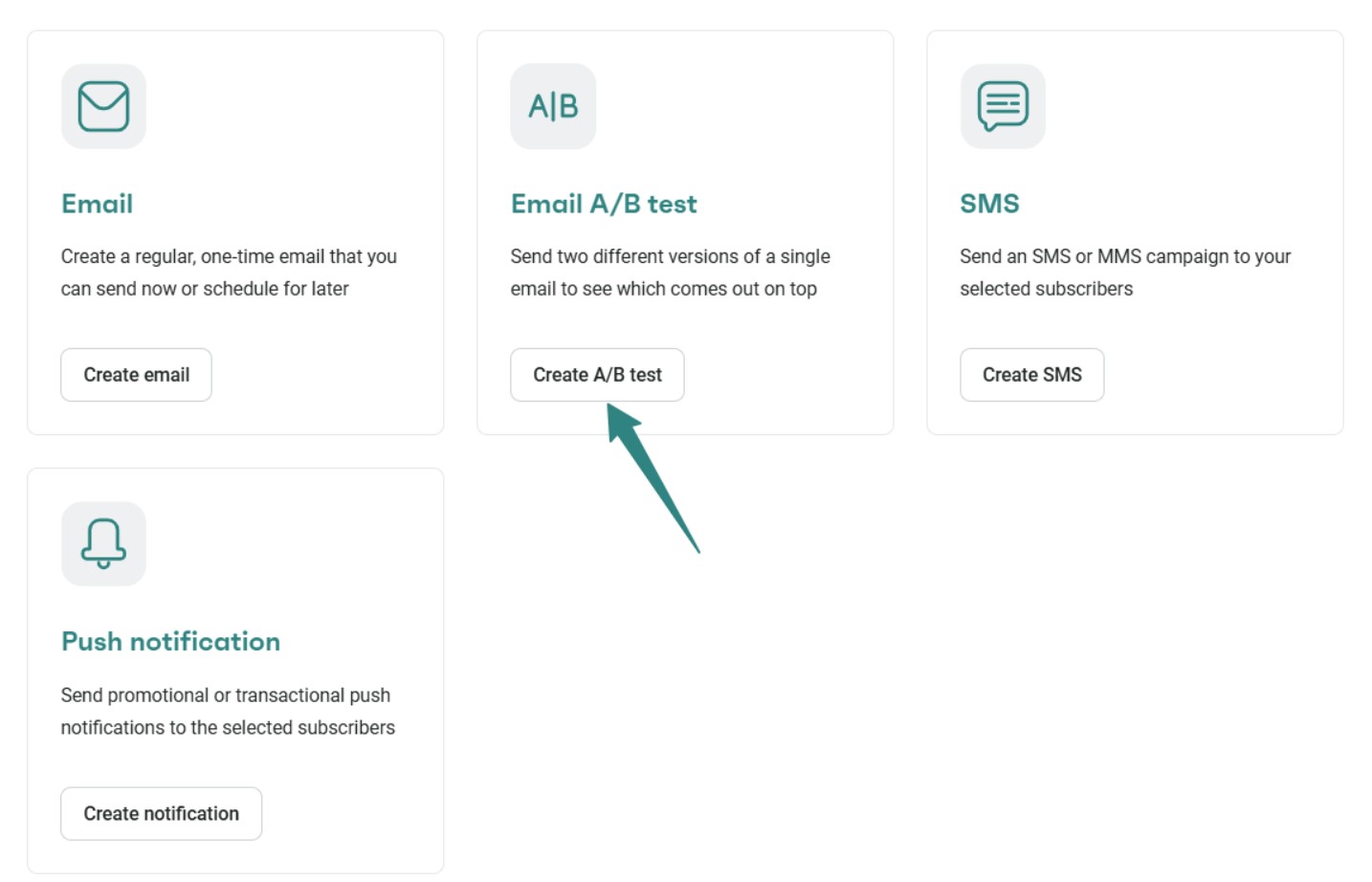
Omnisend makes this easy with built-in A/B testing that automatically sends the winning version to the rest of your list.
Over 80% of marketers see some performance improvement when implementing subject line personalization. This means adding the recipient’s name, company, or referencing their specific situation can significantly increase your chances of getting a response.
Tools like Omnisend’s subject line tester help you analyze length, word choice, and tone before sending. You can also use its subject line generator to explore well-constructed and catchy email subject lines.
How to write an effective breakup email step by step
Templates are helpful, but knowing how to build your own breakup email from scratch gives you more flexibility. This framework works for any situation, whether you’re reaching out to a sales prospect or a dormant customer:
Step 1: Reference the relationship or history
Start by acknowledging your previous interactions. Mention the last conversation, demo, email, or purchase to show you’re paying attention. This creates context and reminds the recipient why you’re reaching out.
Step 2: Acknowledge the silence without blame
Point out that you haven’t heard back, but do it without guilt-tripping or sounding passive-aggressive. Assume positive intent and give them the benefit of the doubt.
Step 3: Offer a clear, low-pressure choice
Give them two simple options to either engage or opt-out. Make both choices easy and acceptable. This removes pressure and increases the likelihood of a response.
Step 4: Provide a final, specific call to action
Tell them exactly what to do next. Don’t leave it vague, as a clear CTA makes it easier for recipients to respond, whether that’s replying with “yes” or clicking a link.
Choosing the right tone
Your tone should match your relationship with the recipient and your brand voice:
- Professional: This tone works for B2B sales and corporate clients where formality matters
- Friendly: It suits casual brands and existing customers who expect a warmer approach
- Lightly humorous: This can work if you have an established relationship, but avoid sarcasm
Adding personalization
Generic breakup emails don’t perform as well as personalized ones. Reference the last product they viewed, the specific pain point they mentioned, or their industry.
Omnisend makes this easy with dynamic content blocks that automatically pull in product recommendations and browsing history without manual work. Here’s a quick example:
- Before: “We haven’t heard from you in a while. Are you still interested?”
- After: “You added the blue running shoes to your cart three weeks ago, but didn’t complete the checkout. Are you still interested, or should we save this spot for someone else?”
The personalized version performs better because it shows you’re paying attention and references a specific behavior.
When to send a breakup email in your sequence
Timing matters when sending breakup emails. Send them too early, and you risk losing prospects who just needed more time. Send them too late, and you’ve wasted effort on people who checked out weeks ago.
For B2B sales
Most sales experts recommend four to seven touchpoints before sending a breakup email. Space these out over two to four weeks, depending on your sales cycle. Here’s a typical timeline:
- Day 1: Initial outreach
- Day 3: First follow-up
- Day 7: Second follow-up with additional value
- Day 14: Third follow-up addressing potential objections
- Day 21: Breakup email
This timeline works for most B2B scenarios, but make adjustments based on your industry and average sales cycle length.
For ecommerce
Timing depends on the type of campaign and customer behavior:
- Abandoned cart: Send your breakup email 14 to 21 days after the first reminder if they haven’t returned
- Inactive subscribers: Wait 60 to 90 days after their last open before sending a breakup email
- Dormant customers: Send 60 to 90 days after their last purchase if they’ve shown no activity
- Post-trial: Send five to seven days after the trial ends if they haven’t converted
These timelines give customers enough time to decide without letting too much time pass. Test different timing windows to see what works best for your audience.
Omnisend’s email automation workflows make it easy to adjust timing without manual sending:
How to automate breakup emails and flows with Omnisend
Manual breakup emails don’t scale, especially if you’re managing hundreds or thousands of prospects and customers. Automation ensures your breakup emails are sent at exactly the right time without any manual work.
Common triggers and conditions
Here are proven triggers you can set up on Omnisend:
- No opens or clicks: Send a breakup email after 60 to 90 days of zero engagement with your emails
- No purchase after site visit: Trigger a breakup email 30 days after someone browses products but doesn’t buy
- Prospect reached a stage but went inactive: Send when a lead moves to a certain sales stage, but shows no activity for 14 days
- Trial expired without conversion: Automatically send five days after the trial ends if they haven’t upgraded
Setting it up in Omnisend
Adding a breakup email to your workflow takes just a few steps:
- Create a new automation workflow or add to an existing one
- Set your trigger conditions based on inactivity
- Add your breakup email as the final step
- Use segmentation to target only highly unengaged contacts
- Enable A/B testing to compare various versions
Omnisend’s free plan includes full access to ecommerce-focused automation features. The platform delivers $79 for every dollar spent, and its award-winning 24/7 support helps you set up these flows.
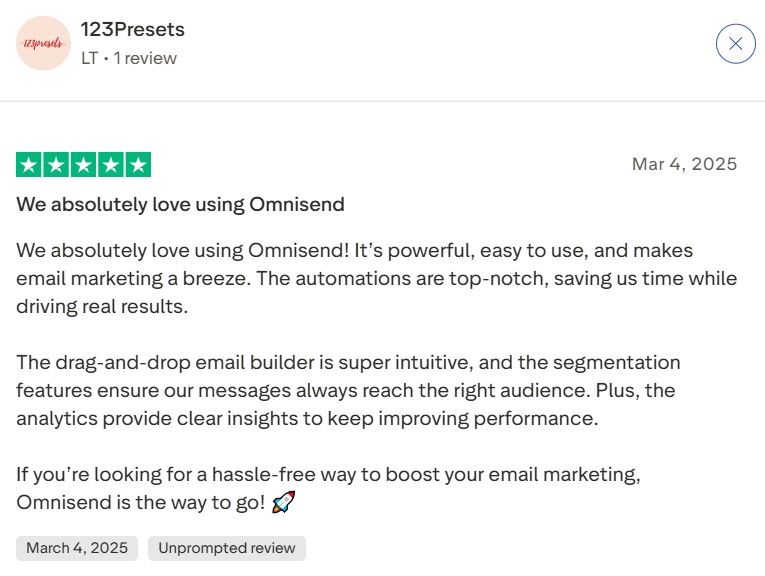
According to reviews on Trustpilot, merchants particularly appreciate how the platform combines powerful automation with an intuitive interface that doesn’t require technical expertise.
Measuring and optimizing breakup email performance
Sending breakup emails is just the start. Measuring their performance and continuously optimizing helps you get better results over time.
Key metrics to track
Focus on these metrics to understand how your breakup emails perform:
- Response or reply rate: The percentage of recipients who respond to your breakup email
- Re-engagement rate: How many recipients interact with you after receiving the breakup email
- Unsubscribe rate: The percentage who opt-out after receiving your message
- Conversion rate among responders: Of those who reply or click, how many actually convert into customers
Breakup emails typically outperform standard follow-ups on reply rates because they create urgency and offer clear choices.
Practical optimization tips
Here’s how to improve the performance of your breakup email:
- Test at least two to three subject lines to see which drives higher opens
- Segment by engagement level before sending
- Test timing by sending at different times of day or days of the week
- Monitor unsubscribe spikes to catch tone or frequency issues
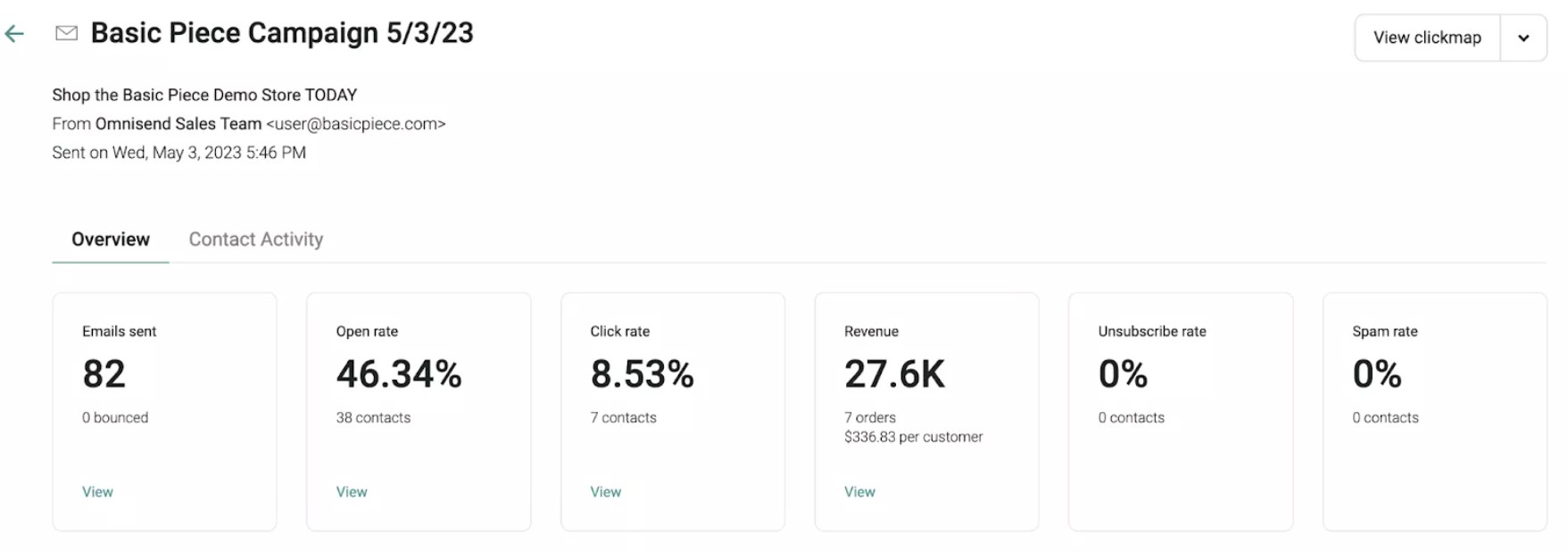
Omnisend’s reporting dashboard shows campaign and workflow-level performance, including A/B test results. This data helps you identify what’s working and what needs adjustment. Here’s a sample of what it looks like:
Common breakup email mistakes to avoid
Even well-intentioned breakup emails can backfire if you make these common mistakes.
Tone mistakes
- Sounding passive-aggressive or guilt-tripping: Phrases like “I guess you’re too busy for this” or “Clearly this isn’t important to you” damage relationships. Keep your tone neutral and respectful.
- Overdoing humor or sarcasm: What seems funny to you might come across as unprofessional or bitter to the recipient. Use humor sparingly and only with established relationships.
- Making it hard to say no or opt-out: Don’t hide the unsubscribe option or make recipients jump through hoops to stop hearing from you. Clear opt-out options build trust.
Timing and compliance mistakes
- Sending too early: If you only sent one or two emails before the breakup, you’re giving up too quickly. Most people need multiple touchpoints before they’re ready to engage.
- Ignoring unsubscribe and compliance requirements: Every marketing email must include a clear unsubscribe link. It’s a necessity by CAN-SPAM and GDPR.
Omnisend’s built-in subscription management and preference centers help you handle consent automatically.
The platform ensures compliance while giving recipients control over how they hear from you. This protects your sender reputation and helps you adhere to email regulations.
Conclusion
Breakup emails are one of the most effective ways to re-engage cold prospects and clean up your contact list. When done right, they revive stalled conversations, provide closure, and improve overall email performance.
The key is timing, tone, and personalization. Use the templates and subject lines in this guide as your starting point. Test different approaches to see what resonates with your audience.
Omnisend makes it easy to automate breakup email flows, personalize messages at scale, and track performance. With accessible ecommerce-focused features and strong ROI, you can turn quiet leads into engaged customers.
Start free with Omnisend today and automate breakup emails that re-engage prospects
Quick sign up | No credit card required

TABLE OF CONTENTS
TABLE OF CONTENTS


Subscribe and don’t miss any updates!
No fluff, no spam, no corporate filler. Just a friendly letter, twice a month.