Omnisend AI


 OFFER
OFFER











Most businesses have loyalty programs these days. Research shows that while average consumers belong to more than 15 loyalty programs, they actively engage with fewer than half of them.
The problem lies with the program design, not because they simply enjoy being listed in too many places. Programs that consumers actually come back to, however, share a set of structural and psychological principles.
This article will get into exactly what those principles are, detail 17 distinct examples of great loyalty programs, how they’re built, and why they work, so you can take their tested strategies to upgrade or develop a reliable loyalty program.
What makes a loyalty program successful?
Before we get into the 17 best loyalty program examples, we’d like to preface how we chose these programs to present in this article. At its core, all great loyalty programs with active users are created using four key criteria, and all programs presented utilize them:
| Success factor | What it means |
|---|---|
| Easy to join and understand | If a customer needs to read instructions on how to get into a loyalty program and how to earn points, they’ll likely abandon the program altogether. |
| Rewards that feel attainable | A complicated process for earning rewards only demotivates customers and can even lead them to lose confidence in a brand. |
| Emotional value beyond discounts | Don’t just focus on attracting customers with discounts and promotions — add a layer showing your brand identity, values, and goals. |
| Integrated into the purchase experience | Unify the entire shopping experience and journey with your loyalty program to make it easier for customers to navigate and use your services instead of relying on separate apps or discount cards. |
Quick sign up | No credit card required
17 best loyalty program examples to learn from
There are many great loyalty program examples, but they all usually fall into specific categories. We’ll present the top 17 programs that are based on points, tiers, subscriptions, mission, experience, cashback, and gamification.
Points-based programs
1. Starbucks Rewards
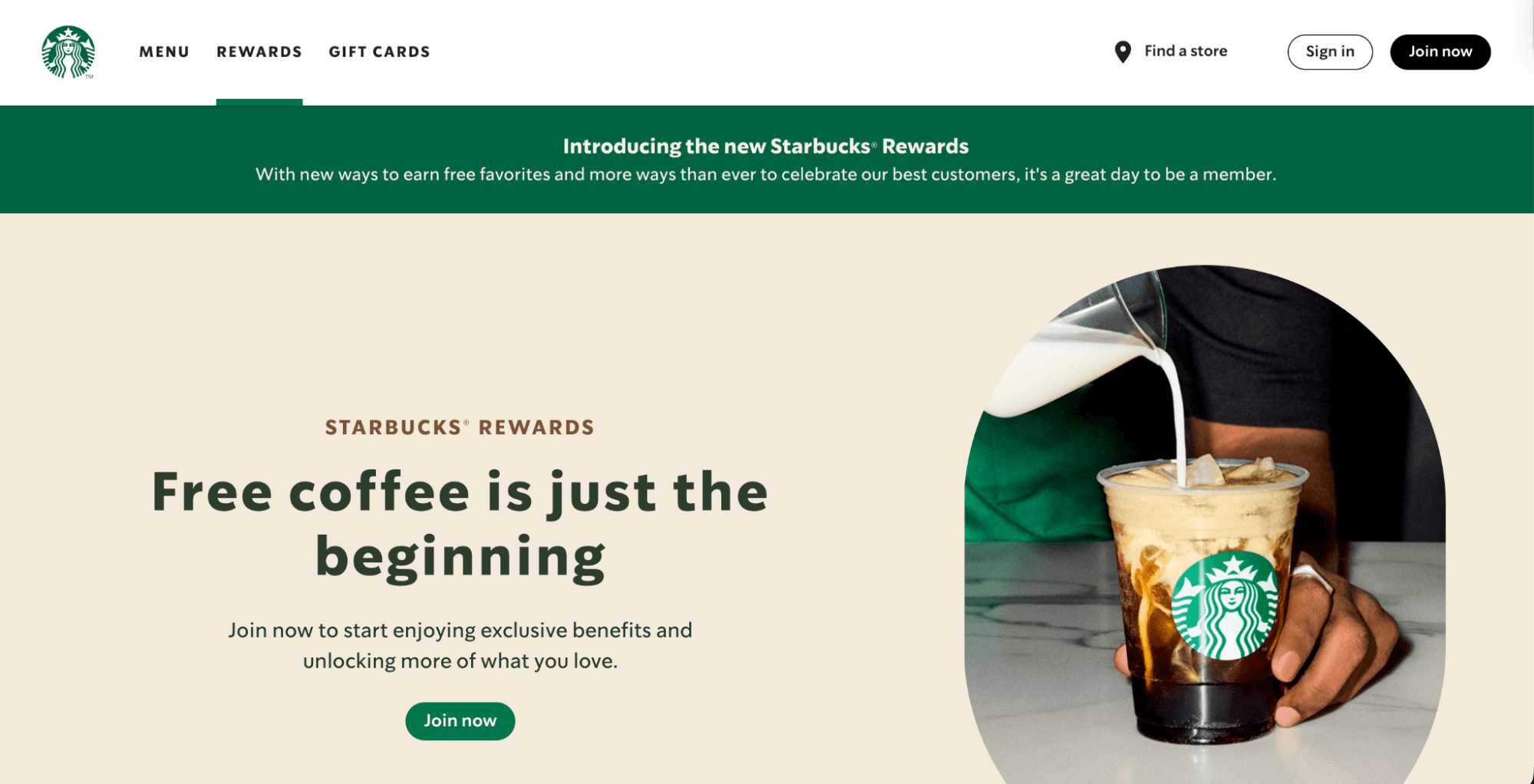
Starbucks is probably the best example of how to build a successful points-based system. In 2025, the coffee chain giant had over 35 million active 90-day members in the US, with loyalty members driving 60% of revenue.
The company’s points-earning system is simple: members earn “Stars” for every dollar spent, which can then be redeemed for free drinks. Simple, but highly effective, especially since the program is conveniently integrated with the Starbucks app that allows customers to order ahead, pay, track earned rewards, and even get personalized offers.
- Lesson for ecommerce brands: Upgrade your mobile app to include a loyalty program customers can use to check deals, order items, and get the latest updates from you.
2. McDonald’s MyMcDonald’s Rewards
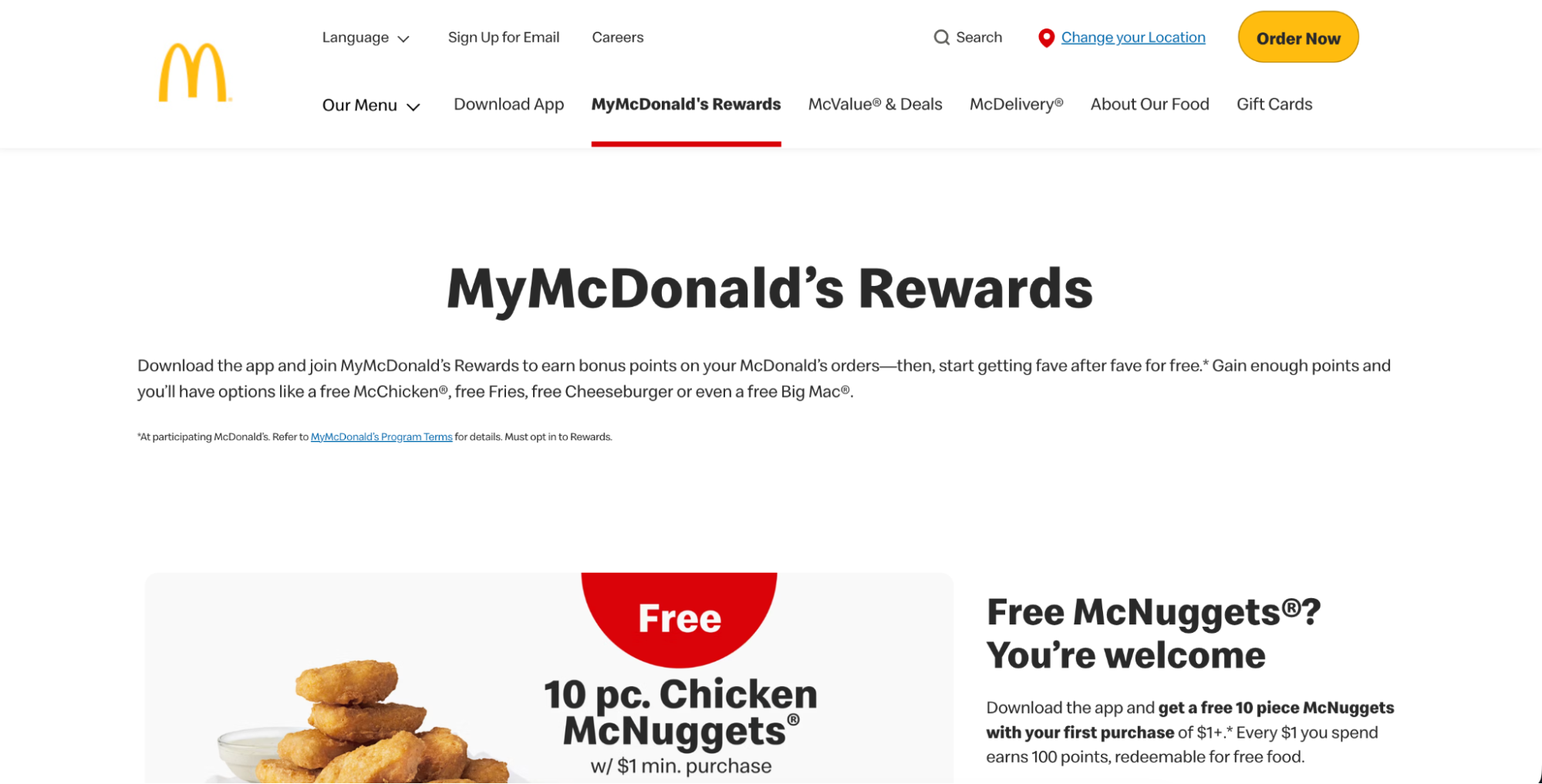
McDonald’s launched the MyMcDonald’s Rewards system in the US in 2021 and became one of the fastest-growing loyalty programs in the restaurant sector. In the 90-day window, the program had more than 150 million members worldwide with $20 billion in a year.
Like Starbucks, MyMcDonald’s Rewards also gives points that customers can use to redeem free items from a tiered menu. And once again, simplicity wins. The loyalty program has no minimum spend amount or complex rules — all customers need to do is buy from McDonald’s, get rewards, and exchange them for other items.
- Lesson for ecommerce brands: A well-planned and straightforward program can bring great results with a large audience base, especially if you have a wide product catalog.
3. Dunkin’ DD Perks
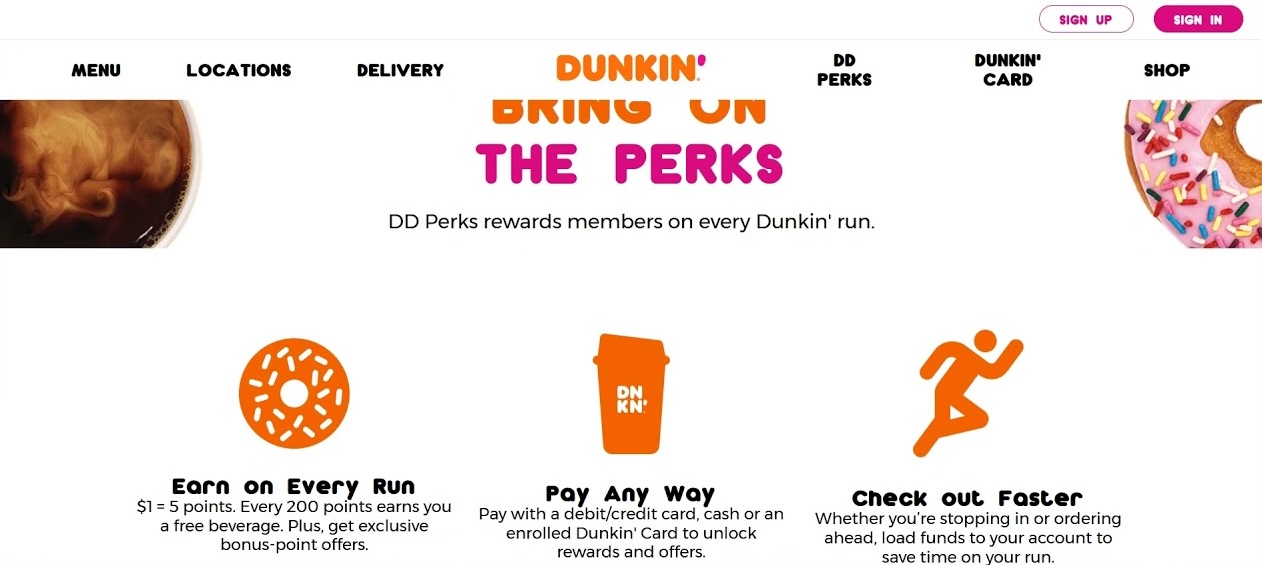
Dunkin’s DD Perks program was launched partly to compete with Starbucks, but also to attract more customers. Members who enroll in the DD Perks program get five points for every dollar they spend. Once customers reach 200 points, they can exchange them for a free medium beverage.
Additionally, this program rewards members immediately after joining the program. Once a customer joins and makes their first order with a linked Dunkin’ card, they get a free drink from the get-go.
- Lesson for ecommerce brands: Turn the enrollment step into your business conversion engine with welcome rewards that incentivize customers.
Tiered programs
4. Sephora Beauty Insider ORIGINAL
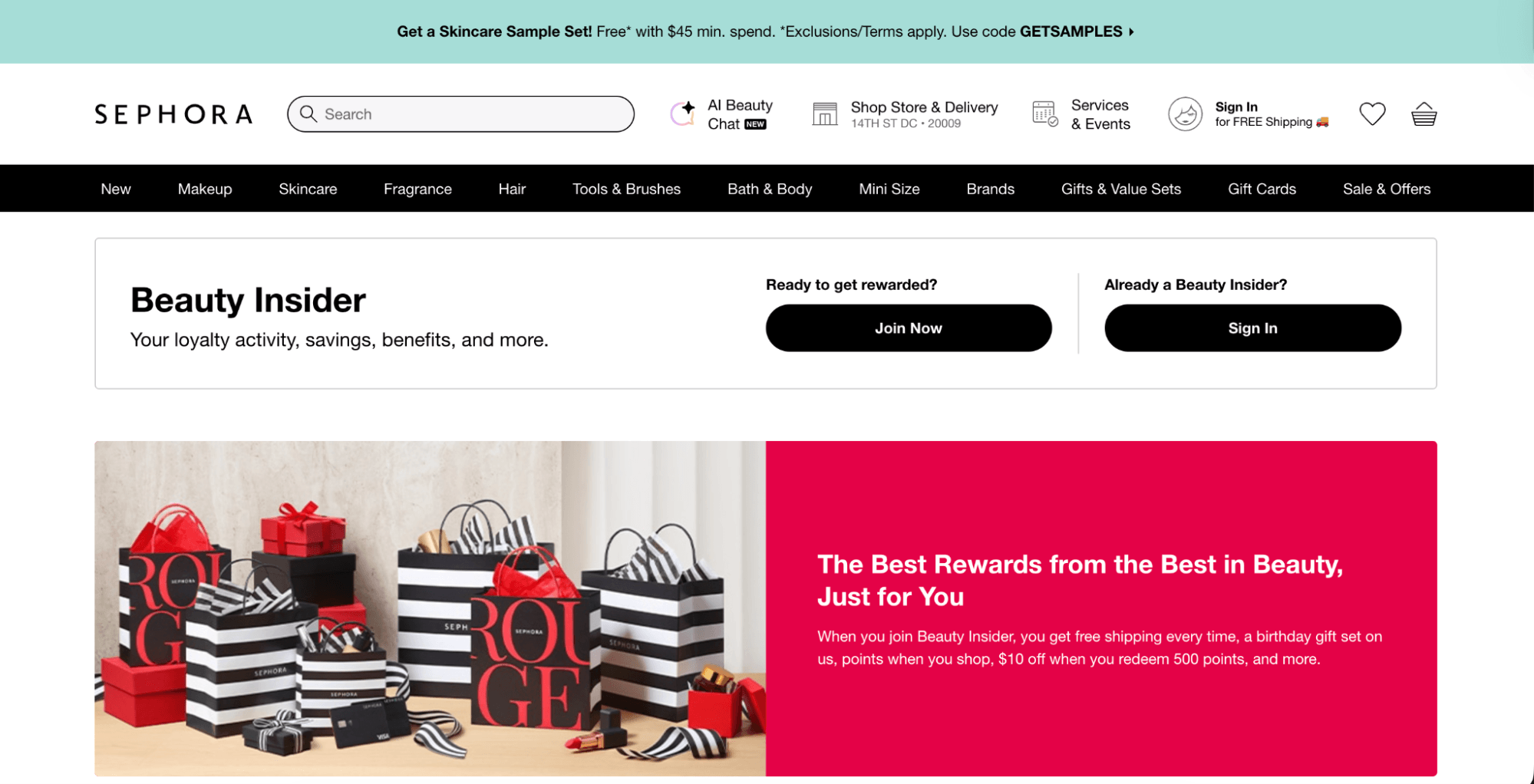
Sephora’s Beauty Insider Program is another 1 point = 1 dollar system, with 500 points giving you $10 off a qualified purchase. There are three loyalty tiers, namely Insider, VIB, and Rouge, whose membership is determined by customer spend per year.
While Insider is free to join, you must spend at least $350/year to qualify for VIB and $1,000/year to become a Rouge member. VIB and Rouge levels unlock added benefits such as first access, exclusive gifts, and more birthday gift options.
- Lesson for ecommerce brands: Use tiered thresholds that reflect your average order value, like mid-tier at 3–5X AOV and premium at 8–12X. But don’t forget your other customers — even if they don’t purchase anything, offer rewards based on reviews and referrals.
5. Marriott Bonvoy
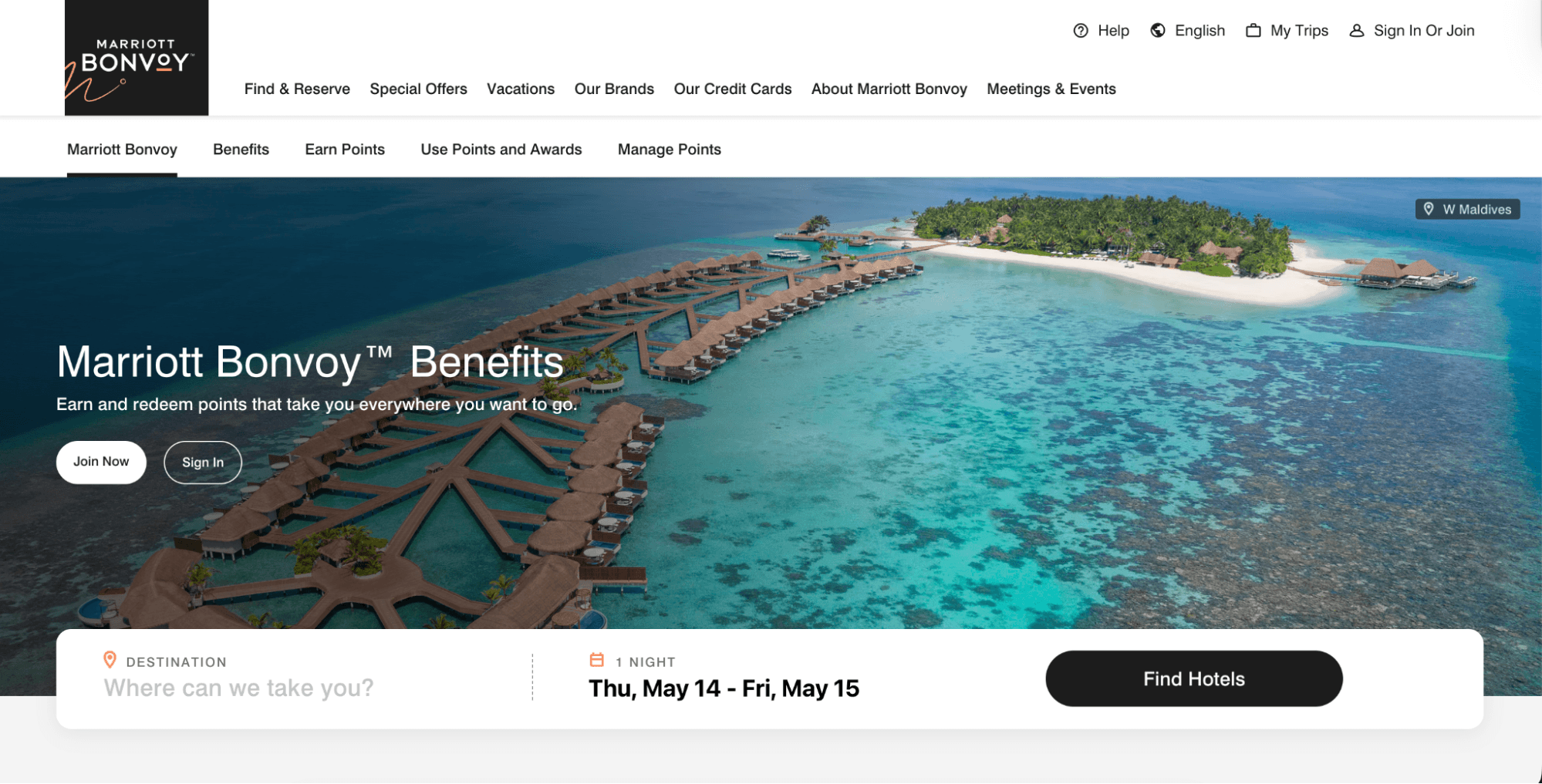
Marriott Bonvoy currently runs one of the most sophisticated tiered loyalty programs in the hospitality sector. They cover around 30 hotel brands around the world and have 230 million active members.
The business has six distinct tiers: Member, Silver, Gold, Platinum, Titanium, and Ambassador Elite. Every tier is clearly defined with different thresholds and benefits, which both educate and motivate customers.
- Lesson for ecommerce brands: While it can be difficult, building a loyalty system that integrates partners under a single banner can really push you forward, increasing membership value.
6. United MileagePlus
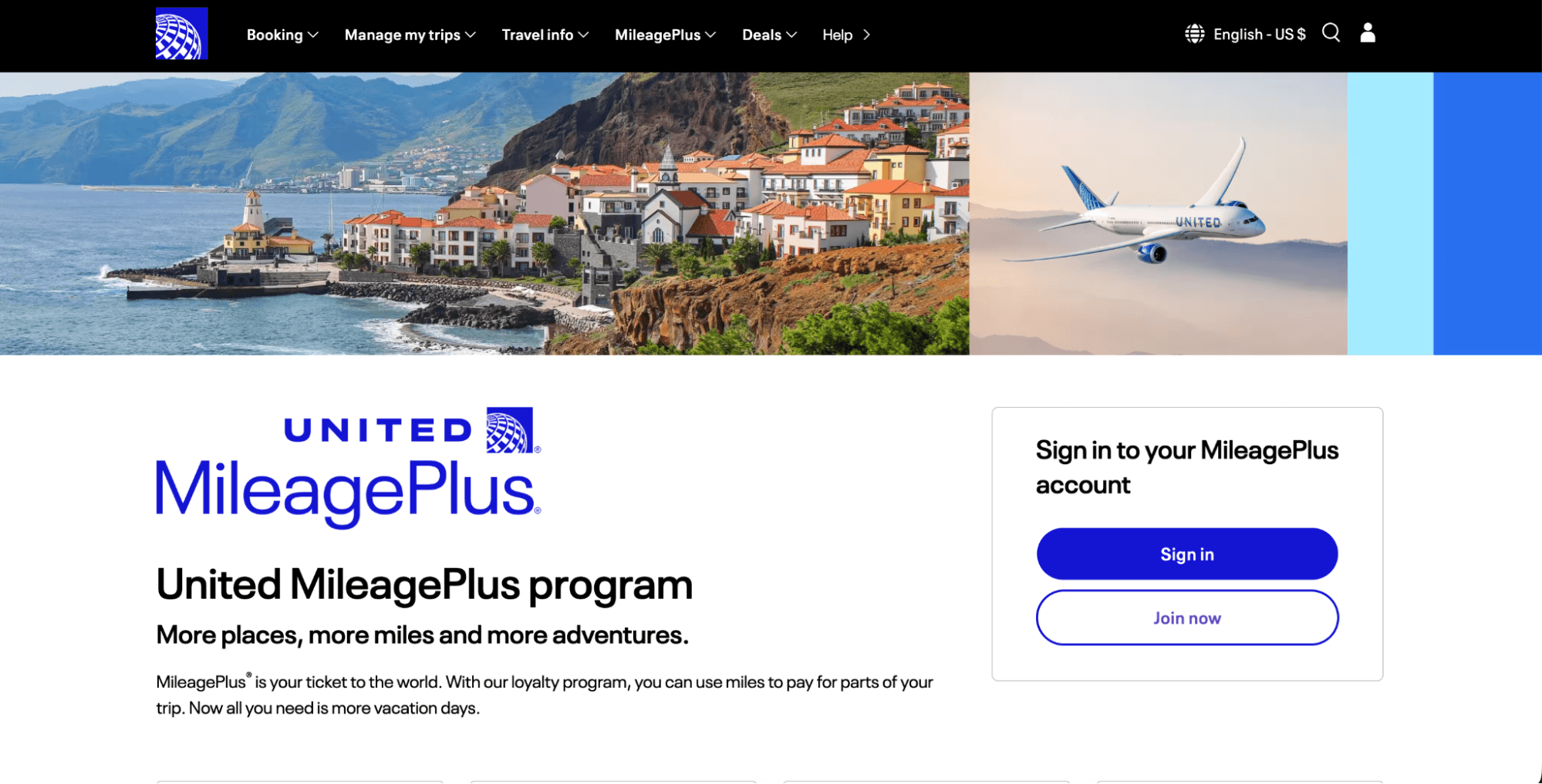
Nearly all airlines have their own rewards systems, and United Airlines’ MileagePlus is a great example of that. The program was launched in 1981, and it’s estimated that this loyalty program is valued at $25.3 billion.
As you might expect, program members earn rewards, or miles, for flying, staying at hotels, driving rented cars, eating out, and using co-branded credit cards. As for the structure, MileagePlus has Silver, Gold, Platinum, and 1K tiers with meaningful differentiation.
- Lesson for ecommerce brands: Create earning opportunities around those periods between major customer purchases with email engagement, referrals, and partner integrations.
Paid/subscription programs
7. Amazon Prime
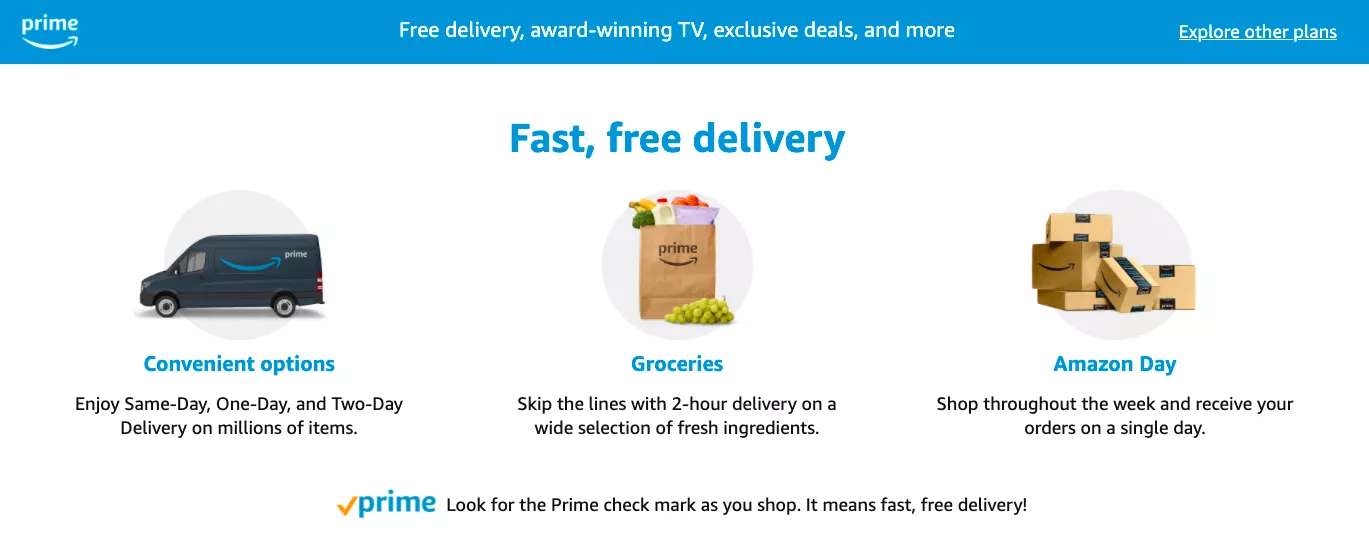
We all know about Amazon and its Prime loyalty program. This is a subscription-based service, costing $139 per year or $14.99 per month and offering a wide range of benefits. For most people, the biggest benefit is speedy one or two-day shipping.
However, you’ll also get access to Amazon’s popular streaming service, early access to deals, and a host of other discounts with Amazon partners such as Whole Foods. With 180 million Prime subscribers, Amazon is one of the best examples of how companies with loyalty programs should promote them for maximum impact.
- Lesson for ecommerce brands: You have to communicate the value of your loyalty program clearly and without fluff, so that members know exactly what they can get.
8. Costco Membership
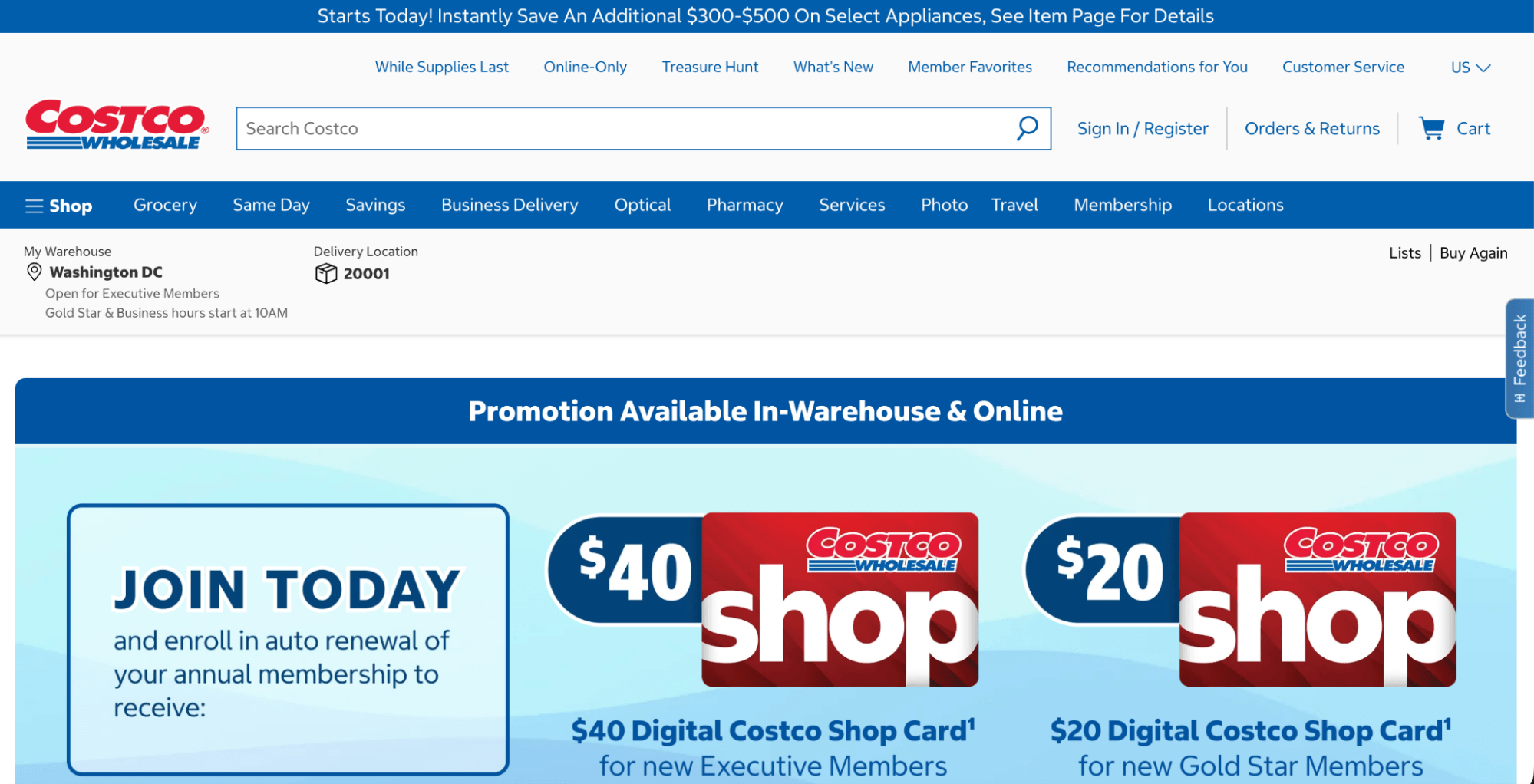
Costco is a giant retailer, and its membership is one of the best examples of paid loyalty programs. The principle is simple: customers pay to shop at Costco, and in return, they get to enjoy lower prices compared to other shops.
The key feature of this program is the Executive tier, which gives members 2% back on select purchases per year. So, the more a customer spends, the more money they get back, often resulting in rewards completely covering the initial cost of the items bought.
- Lesson for ecommerce brands: Define your tiers clearly and show the exact value customers can get, particularly for models that reward customers for spending more.
9. REI Co-op Membership ORIGINAL
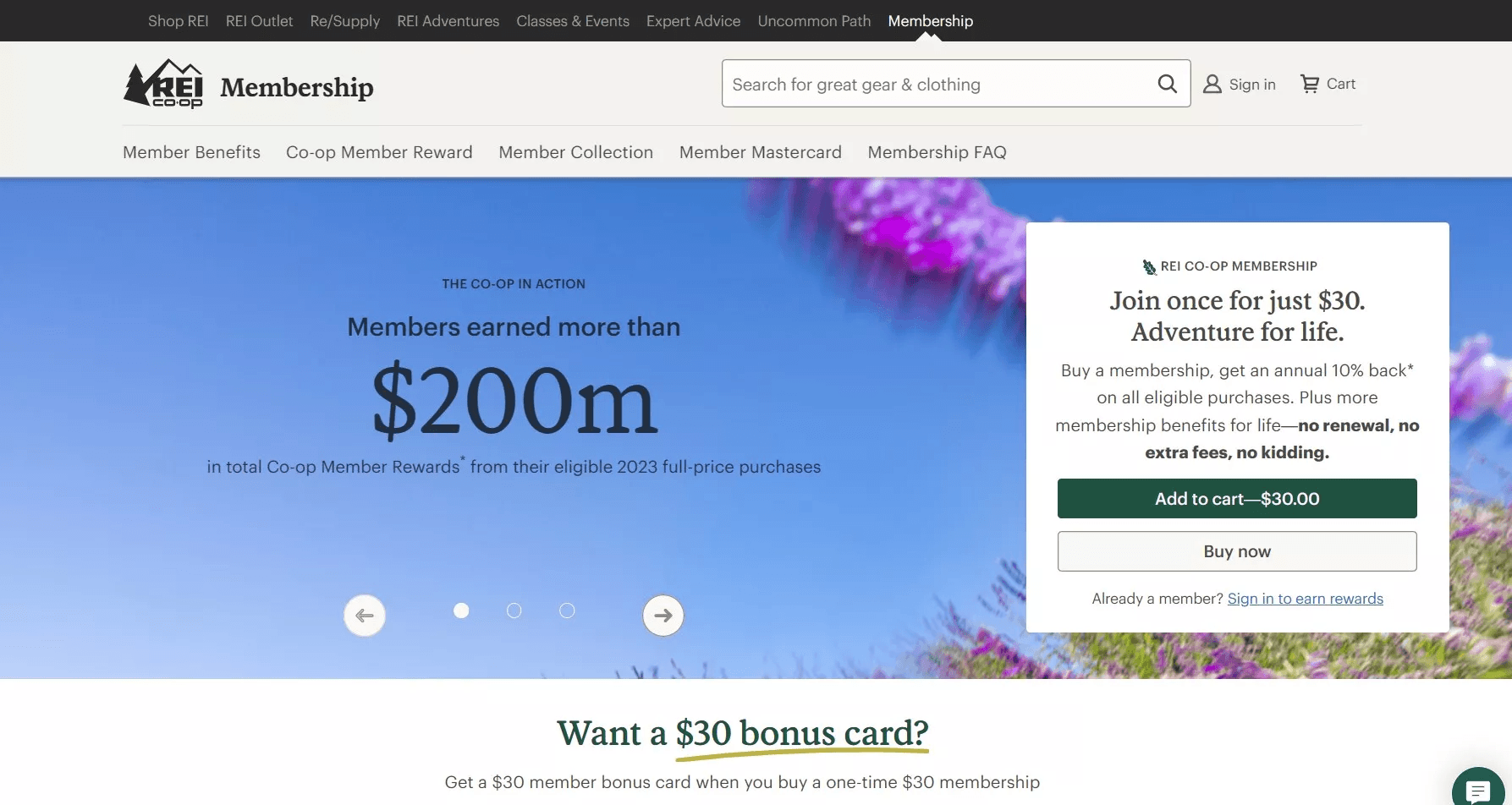
This is another great example of a paid membership loyalty program. A $30 one-off payment gives lifetime access to a range of benefits offered by the REI Co-op. The most obvious benefit is the 10% cashback on all eligible purchases made, which is automatically paid back in an annual dividend.
REI Co-op now has over 23 million members who enjoy exclusive member-only deals. For example, there are great offers on gear, outdoor classes, hiking, camping, and other adventures. Consisting mainly of outdoor enthusiasts, members also have the satisfaction of knowing that their contributions help to fund impactful work at hiking trails across the USA.
- Lesson for ecommerce brands: When appropriate and relevant, combine company values with benefits and community.
Mission-driven programs
10. Patagonia Worn Wear
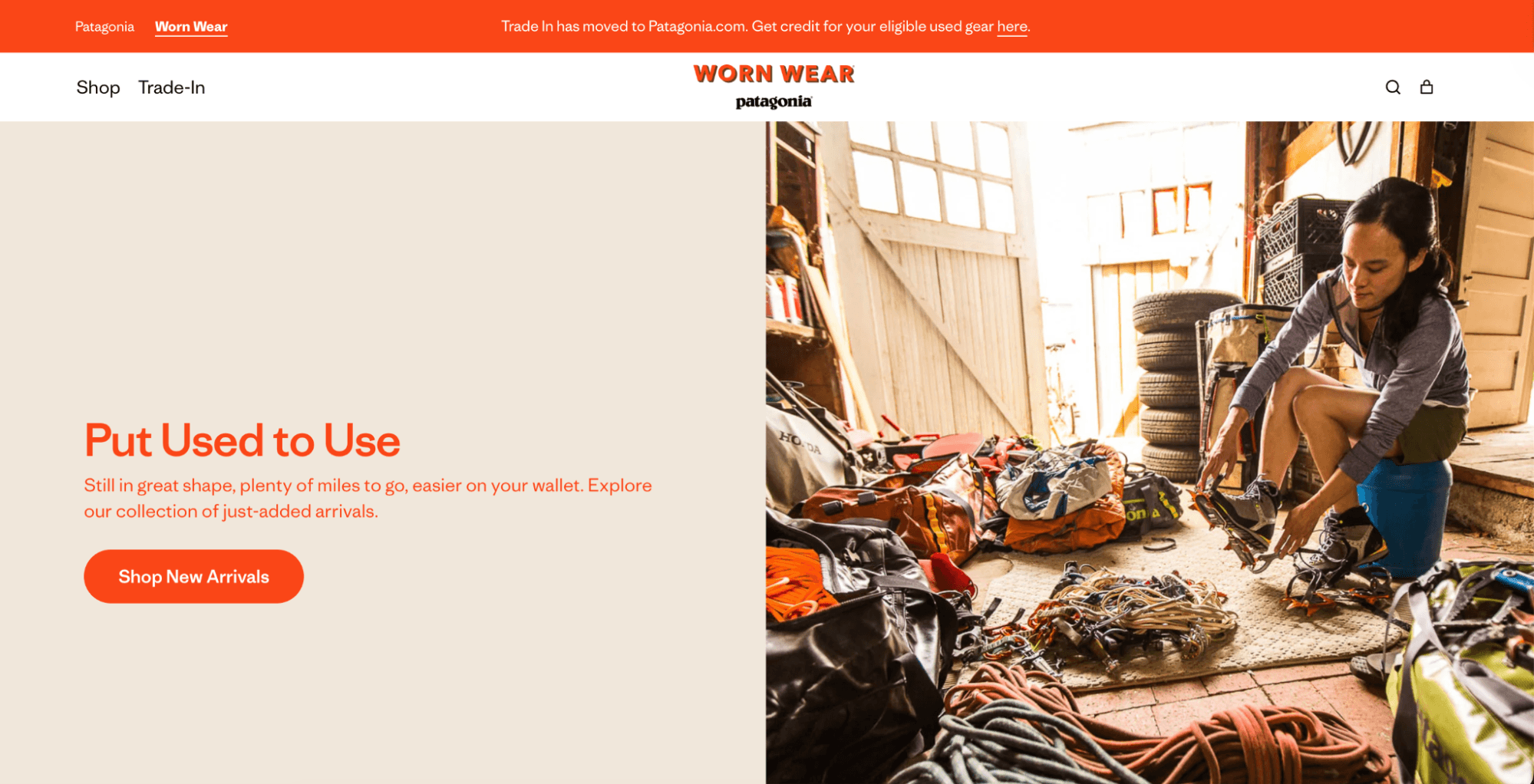
This example comes with an interesting twist. Patagonia’s Worn Wear program inverts the standard loyalty model entirely. So, instead of rewarding members for buying new items, Patagonia promotes and rewards extending the life of already owned items.
With this system, members can trade, repair, and buy secondhand items to get credits they can exchange for new products. This directly translates Patagonia’s values and environmental mission to create high-quality items — a stark contrast to fast fashion.
- Lesson for ecommerce brands: If sustainability is part of your business model, introduce a rewards system that benefits and motivates customers to be a part of environmentally friendly actions.
11. The Body Shop Love Your Body Club
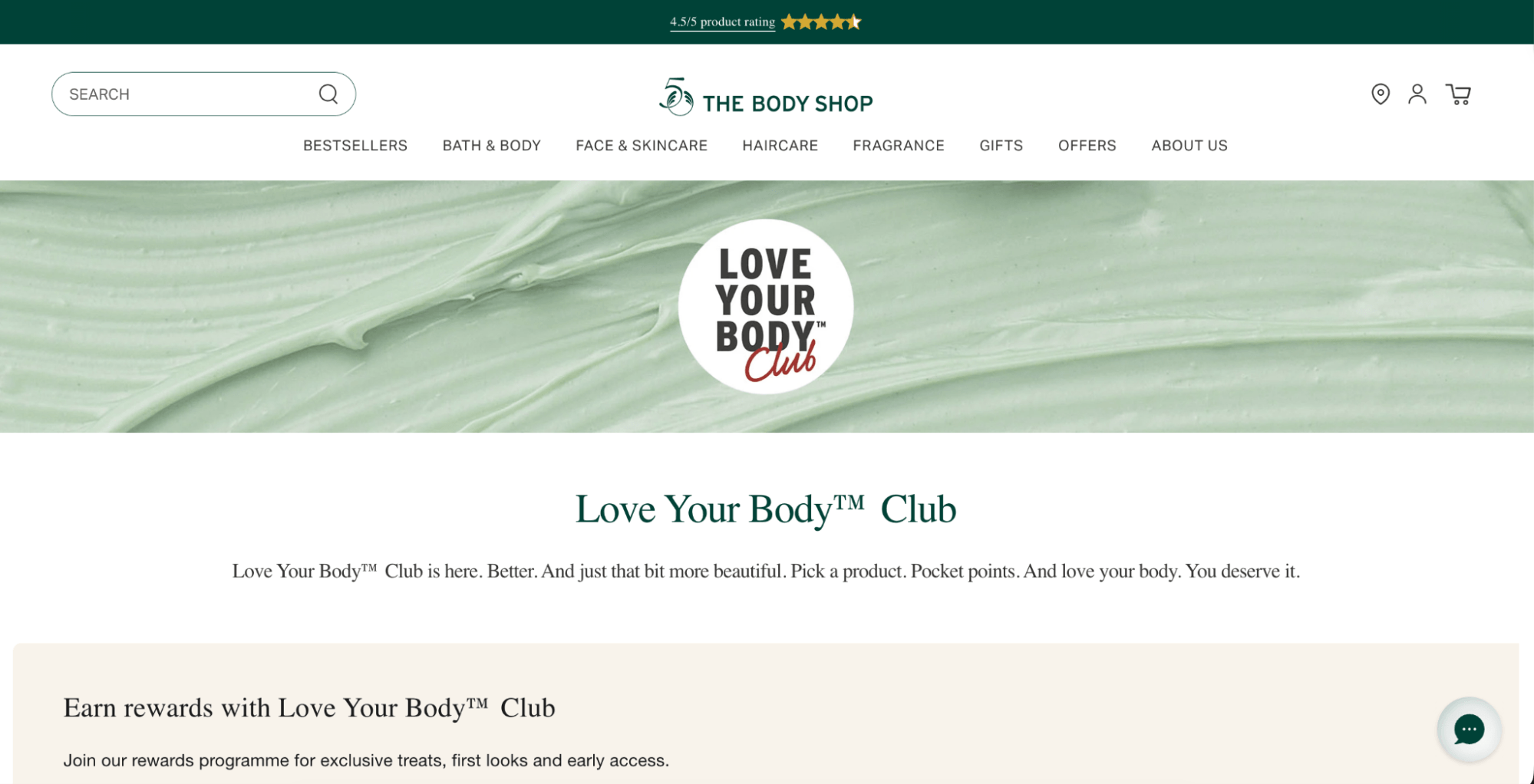
The Body Shop Love Your Body Club is another brand that combines a loyalty program with charitable causes. They do this by linking member activity with charitable giving. An example of this would be a customer purchasing from The Body Shop, but instead of using their rewards, they can donate them to charity partners.
- Lesson for ecommerce brands: Consider giving your members the option to donate their rewards to those in need. This helps to build meaningful relationships, and it builds brand authority.
Experiential/community programs
12. Nike Membership
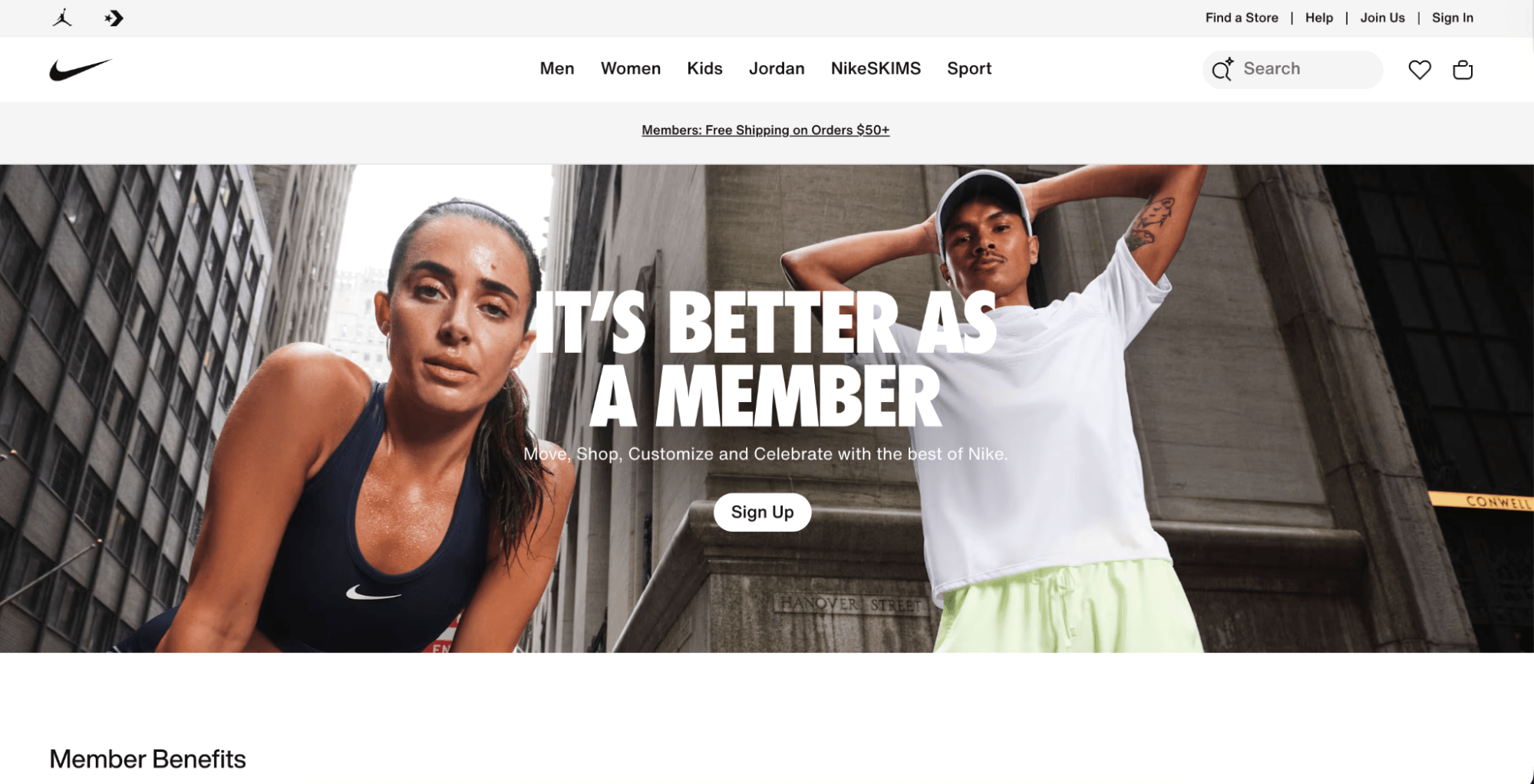
Nike’s loyalty program is free to join and offers some of the most comprehensive loyalty experiences. The program gives members access to exclusive product drops, early release windows, highly personalized training plans, and even members-only workout plans.
This effectively combines products with their purpose, which is promoting a more active lifestyle. By taking this approach, Nike distances its loyalty program from the earning concept and relates more to getting real value and experience. Moreover, members also have an opportunity to engage with the Nike Training Club and Nike Run Club apps.
- Lesson for ecommerce brands: Loyalty programs don’t have to center around value or transactions — give your members a reason to interact with your brand beyond simply purchasing items or services from you.
13. The North Face XPLR Pass ORIGINAL
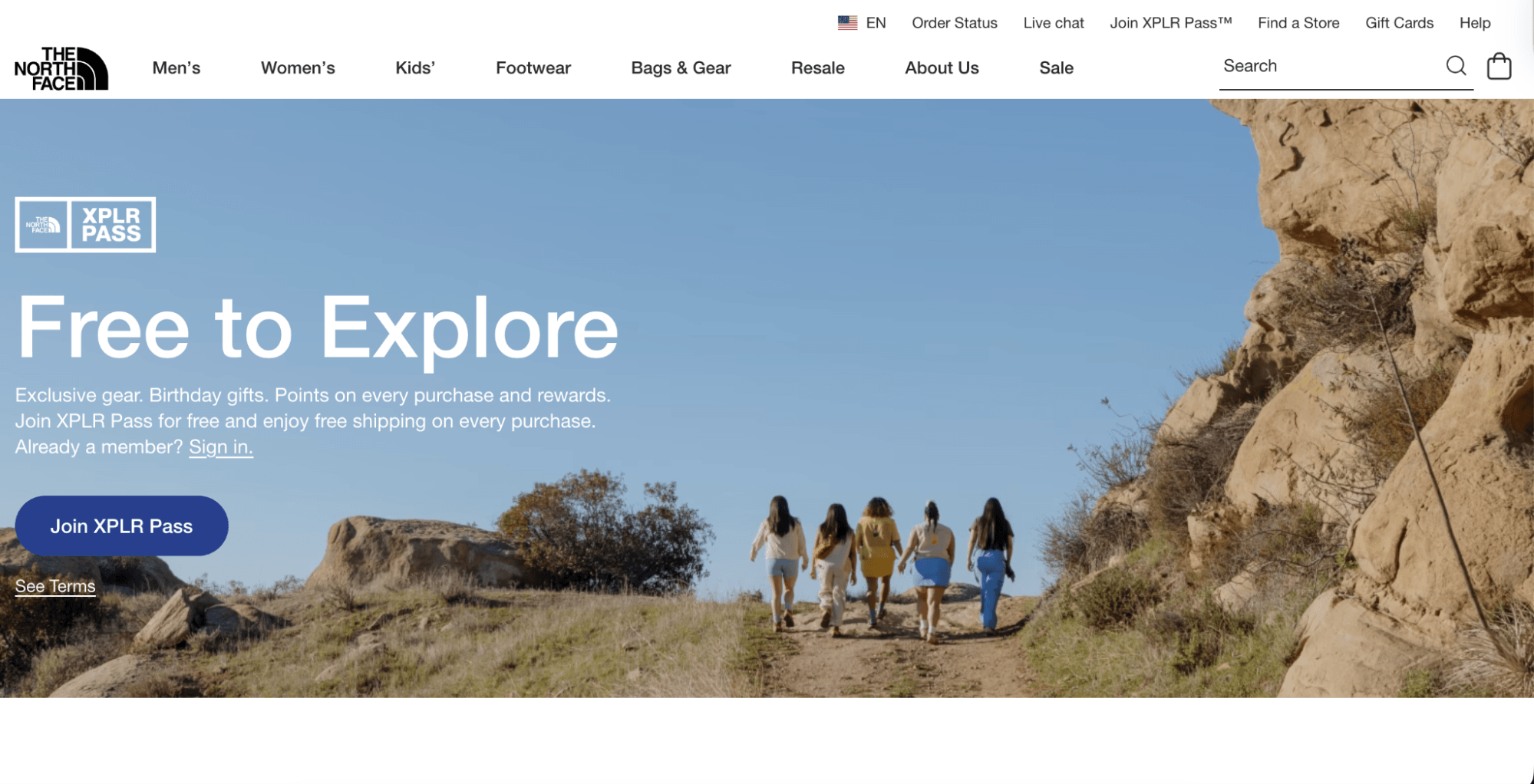
The XPLR Pass is a simple points-based loyalty program that allows you to earn points when making a purchase. Every dollar you spend earns you one point. 100 points get you a $10 reward. Other ways to earn points include referring a friend, bringing a reusable bag when shopping in stores, and checking in via the North Face App at a National Park.
This emphasis on sustainability and community provides a strong emotional reason for customers to sign up. The company also encourages customers to trade in their old gear for recycling, rewarding this sustainable behavior with extra discounts.
- Lesson for ecommerce brands: If your business model is connected with outdoor activities and lifestyle, structure your loyalty program around rewarding members not just for purchasing, but for engaging in brand-related activities.
Cashback programs
14. Target Circle
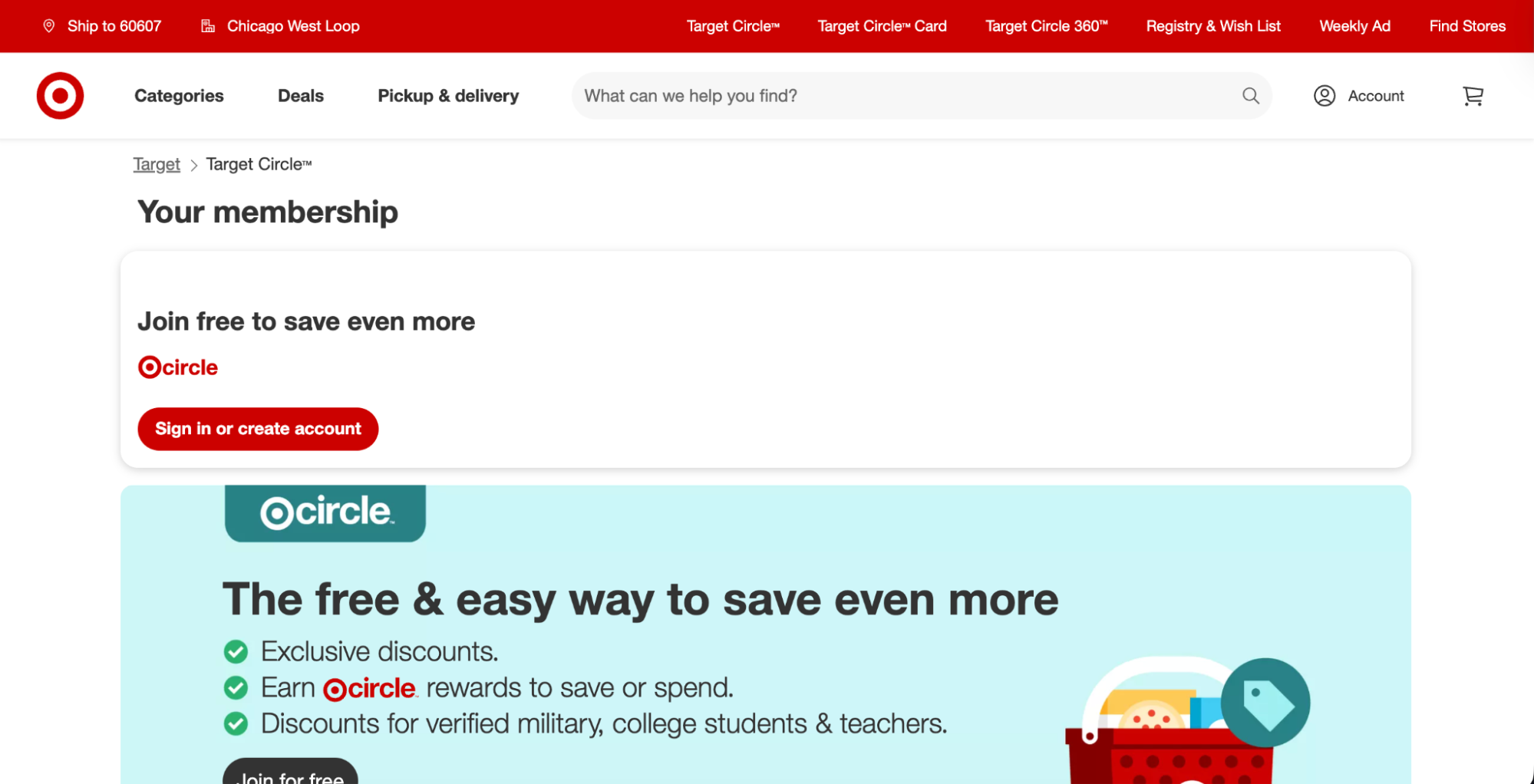
Cashback is a pretty basic system, but it’s also an incredibly effective one. Target Circle turns Target’s loyalty program into a cashback and voting system. Members get 1% cashback on every Target purchase, which can then be redeemed as discounts for future purchases.
The voting aspect of this program serves as another, non-transactional way for customers not just to be members, but also to be a part of Target’s support for non-profit organizations, all from a single, well-designed application.
- Lesson for ecommerce brands: Too many brands underestimate the value of including their customers in certain parts of their operations. This massively improves engagement and builds a strong brand-to-customer relationship.
15. Rakuten
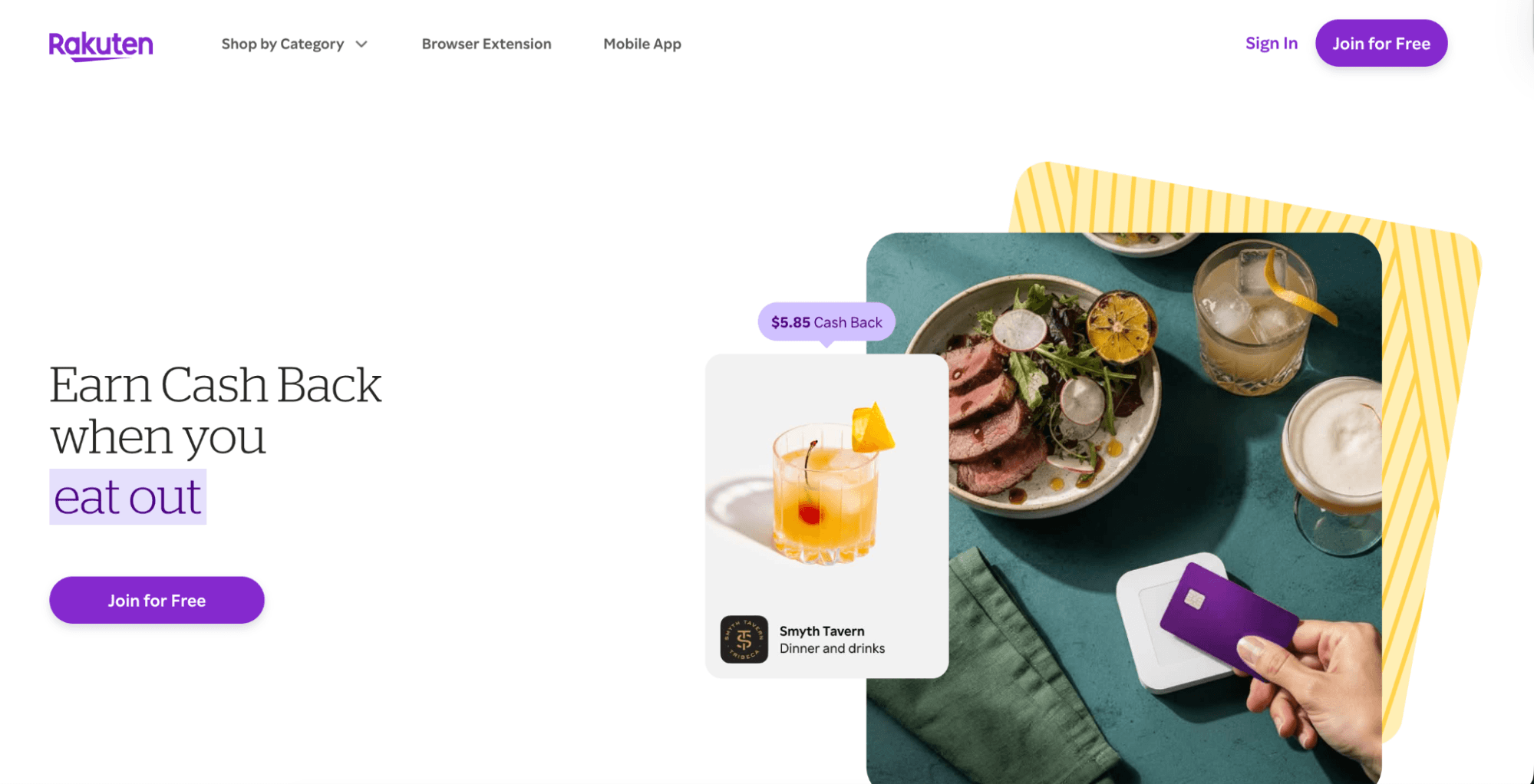
Rakuten, formerly known as Ebates, built its entire business model around the cashback function. Members get a certain percentage back on all purchases made through the Rakuten portal, which has thousands of partner retailers.
Rakuten’s cashback system rates vary from 15 to 20% during promotional periods, and unlike other systems, members need to visit Rakuten to activate the cashback feature, which essentially trains members to be active participants.
- Lesson for ecommerce brands: Time cashbacks carefully, like paying out members every quarter, which creates a greater emotional impact from seeing a combined sum from three months rather than after one purchase.
Gamified programs
16. Duolingo
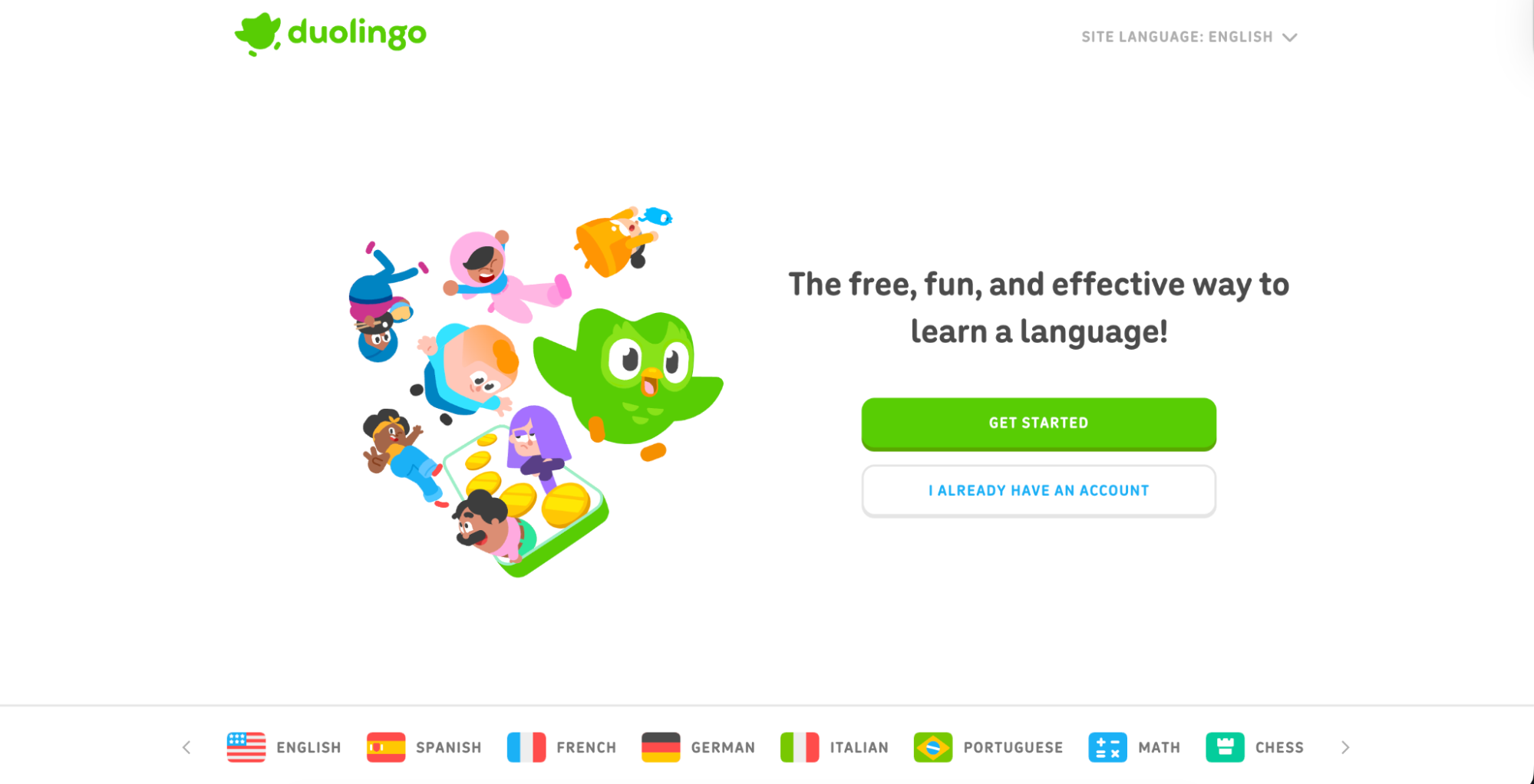
Gamified loyalty programs engage, reward, and entertain. Duolingo is probably one of the most popular language learning apps, with over $56 million active members globally. Their loyalty program isn’t an addition; it’s the key element, which literally rewards members for learning languages on their app.
- Lesson for ecommerce brands: If you’re operating a business that can combine gamified elements, include streaks, challenges, and highly visible progress to build emotional investment where members are genuinely interested in using your products.
Ecommerce programs
17. Gymshark Loyalty
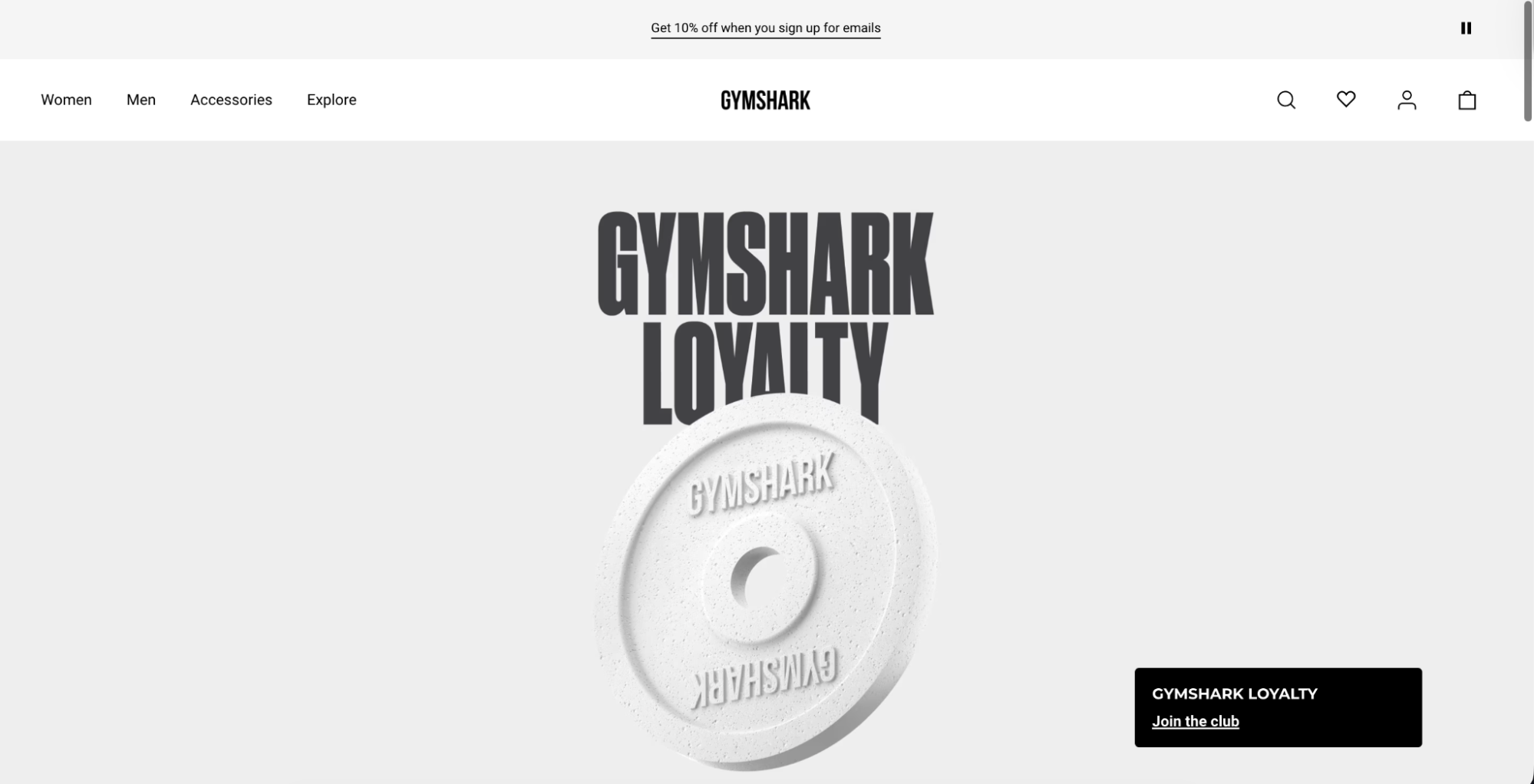
Identity can be a strong factor in elevating a business, and that’s exactly the case with Gymshark. The company built its business around its identity as a fitness brand, reaching £646 million in yearly revenue in 2025.
What makes Gymshark’s loyalty program so unique is that it rewards purchasing, but also any interaction with the brand, which creates a multi-channel rewards system. This means that if members make content, share reviews, or complete fitness challenges, they get rewards.
In terms of the program itself, it’s best described as a tiered system that gives increasingly higher-value rewards.
- Lesson for ecommerce brands: Ecommerce has grown to the point where businesses use multiple channels to connect with customers. That’s why rewarding member behavior on different platforms can help drive engagement.
How to apply these lessons to your own loyalty program
Businesses don’t need to have Starbucks’ budget or Amazon’s infrastructure to create a good loyalty program. As long as you focus on what you want to achieve and what customer behavior to reward. Here’s a brief rundown of some of the key things to focus on before creating a loyalty program:
- Pick a program category that fits your existing business model.
- Define a reward threshold that benefits your business goals and is attainable to customers.
- Separate your audience to target customers at different buying stages with email segmentation.
- Utilize email and SMS loyalty programs to increase awareness and information.
- Track and measure data that tells you whether your loyalty program is well-received and driving increased engagement.
The Enflow Digital case study shows how precision can clearly outrank scale. When working with Omnisend, the company analyzed customer journey data to identify the precise window of when to send loyalty-related emails. In the end, the 45-day trigger timing was based on customer journey analysis, not guesswork — that precision is what produced a 70% open rate.
Read the full Enflow Digital case study to learn how data and timely personalization can bring results.
Start building customer loyalty today
The basic purpose of any loyalty program is to create an incentive, a reason for customers to not just buy from you, but also interact with your brand. A great way to do that is to use email automation flows.
Omnisend provides ecommerce brands with the infrastructure to run more advanced email and SMS marketing to expand loyalty-based communication. Set milestone triggers when a member earns a reward, points-balance reminders before they expire, tier-upgrade notifications when customers are close to the next level, and win-back flows for lapsed members.
Quick sign up | No credit card required
Frequently asked questions
What are the best loyalty programs?
The best loyalty programs focus on creating clear value for customers. Great examples of that are Starbucks Rewards, Amazon Prime, Sephora Beauty Insider, Marriott Bonvoy, and Nike Membership.
What makes a loyalty program successful?
Successful loyalty programs are easy to join, offer tangible and attainable rewards, connect with customers on different channels, and are fully integrated into the overall buyer’s journey. In short, this looks like a single app that includes a catalog, shop, and loyalty program.
What are the most popular loyalty programs?
The most popular programs include Amazon Prime (200M+ members globally), Marriott Bonvoy (230M+ members), Starbucks Rewards (35M+ active US members), and Sephora Beauty Insider (34M+ members).
Which type of loyalty program works best for ecommerce?
The best loyalty program for ecommerce is usually based on points-based systems. These often also include multi-channel support. Tiered programs are quite popular for brands that offer a wide range of products and services.
How do I start a loyalty program for my small business?
If you’re thinking of creating a loyalty program for your small business, it’s generally advised to start with a points-based program. Set up a system that gives customers rewards per dollar spent, promote the loyalty program with a first-purchase reward, and add an automated email welcome flow.