Omnisend AI

 OFFER
OFFER







Black Friday dropshipping 2026 is a strategy that includes margin safety and using smart automation beyond the product marketing. It also means adapting to new ecommerce realities, like import duties, carrier surcharges, and ecommerce trends.
This guide covers which products to sell, a month-by-month BFCM roadmap, and the email and SMS playbook that turns a discount-driven weekend into repeat customers.
Quick sign up | No credit card required
Is dropshipping still worth it for Black Friday in 2026?
Dropshipping remains a major business model in 2026, particularly for Black Friday, allowing businesses with large catalogs to take advantage of bundling.
The biggest difference between 2025 and 2026 is the change to the de minimis tariff exemption. The United States suspended its $800 de minimis exemption for shipments from China and Hong Kong in May 2025, then extended the suspension to all countries that August. The EU removed its €150 duty exemption on July 1, 2026, replacing it with a flat €3 duty per declaration line.
Many businesses now need to re-evaluate their dropshipping strategies as shipping costs and delivery timelines increased. However, while the de minimis change shifts strategies, it doesn’t mean dropshipping isn’t worth the trouble.
Who still wins?
The sellers who take a more disciplined approach regarding product sourcing and selling are the ones who win. Specifically:
- Domestic or nearshore suppliers that ship faster and avoid high import fees
- Lightweight, flat items that cost less to ship and clear customs easily
- Higher average order value (AOV) products, where duties and shipping are a smaller share of revenue
Regardless of the business model or strategy, rising costs require brands to update their Black Friday dropshipping margins. You need to stack costs clearly and evaluate each one separately:
- Cost to acquire a customer (CAC)
- Product cost from supplier (COGS)
- Duties and surcharges
- Shipping fees (check current carrier surcharges)
- Returns buffer
For example, here’s how a cost breakdown could look for a $50 product:
| Item | Cost |
|---|---|
| Product (COGS) | $18 |
| Duties + import fees | $6 |
| Shipping + surcharges | $7 |
| CAC (ads + promos) | $12 |
| Returns cushion | $2 |
| Total cost | $45 |
| Profit left | $5 |
This is just an example used for educational purposes only, not to be taken as fact
That $5 profit on a $50 sale is just a 10% margin. At that level, even a small increase in returns or delivery costs can wipe out what’s left.
When not to start
Dropshipping isn’t for everyone, and Black Friday is a highly competitive event for ecommerce, so it’s the worst time to find that out. Avoid getting into dropshipping if:
- You don’t have at least a small budget cushion
- Your supplier hasn’t been validated with test orders
- You’re making unrealistic shipping promises you can’t back up
It’s worth taking your time before going with dropshipping. Strategy and planning take time, but they help businesses build strong foundations for sustained growth.
Margin checklist
For Black Friday dropshipping in 2026, brands should focus on calculating margins correctly and working with reputable suppliers — de minimis changes might add to the overall cost, but don’t change business fundamentals. Before you commit, make sure you can:
- Cover duties and carrier surcharges
- Offer realistic shipping timelines
- Absorb a 10–15% return rate
- Maintain at least 20% gross margin
- Scale ad spend without betting all on one campaign
What is Black Friday dropshipping?
Black Friday dropshipping is a retail model where you sell products online without holding inventory. When a customer places an order, your supplier handles fulfillment, shipping, and storage. Focus on marketing, customer experience, and optimizing your store for conversions.
Black Friday dropshipping works because it lets you meet surging demand without overstocking. But it only pays off if your store runs smoothly under heavy traffic.
This model is especially useful during Black Friday and Cyber Monday (BFCM) because demand compresses into a single week. Shoppers are actively hunting deals, and competition for attention spikes. If your store isn’t optimized, even a small delay can cost you sales.
Here’s what 2025 proved about BFCM shopping patterns according to Adobe’s research, Chain Store Age, and Shopify:
| Event | Revenue |
|---|---|
| Cyber Week sales | $44.2 billion (up 7.7% YoY from 2024) |
| Cyber Monday | $14.25 billion (up 7.1% YoY from 2024) |
| Black Friday | $11.8 billion (up 9.1% YoY from 2024) |
| Shopify merchants | $14.6 billion (up 27% compared to 2024) |
| Mobile share | 56.4% of online transactions took place through a smartphone in 2025 |
| Full holiday season (Nov 1–Dec 31) | $257.8 billion spent online, a 6.8% jump from $241.4 billion in 2024 |
Best products to sell for Black Friday and Cyber Monday 2026
Black Friday dropshipping in 2026 should prioritize building a store that can handle high demand and deliver products on time, while picking lightweight, giftable items with high perceived value such as tech and car accessories, home and kitchen add-ons, beauty tools, fitness gear, and POD bundles.
Brands that want to start dropshipping need a structured Black Friday strategy focused on products that sell, have a straightforward shipping process, and rarely get returned.
Product selection framework
Review current products and plan future products based on returns, sourcing, and marketability before deciding to add a product to your dropshipping business. Consider the following before deciding to add a product:
- Giftable: Small items under $50 sell fast, while sets priced between $80–$150 help increase the average order value
- Light and compact: Products weighing under two pounds ship faster and cost less to deliver
- Low chance of returns: Avoid fragile or tricky items, as returns can quickly eat into your profit
- Safe to sell: Don’t sell anything that needs FDA approval or special certification
- Easy to bundle: Pick items that can be sold together to make bigger orders
This framework keeps your store profitable and smooth during the busy weekend.
Curated product categories
Tech accessories, home and kitchen add-ons, beauty tools, fitness and wellness gear, car accessories, and print-on-demand (POD) bundles are the categories that sell most reliably during BFCM. Each one passes the selection framework above: light, giftable, low-return, and safe to sell.
Here’s a quick comparison table detailing key information:
| Category | Margin | Weight | Return risk | Compliance |
|---|---|---|---|---|
| Tech accessories | High | Very light | Low | None |
| Home and kitchen add-ons | Medium | Light, ships fast | Low | Avoid electrical items |
| Beauty tools | High | Light to medium | Medium | No medical or FDA claims |
| Fitness and wellness | Medium | Light to medium | Low | No health-benefit claims |
| Car accessories | High | Light | Very low | None |
| Print-on-demand bundles | High | Light | Low | No licensed artwork |
Tech accessories
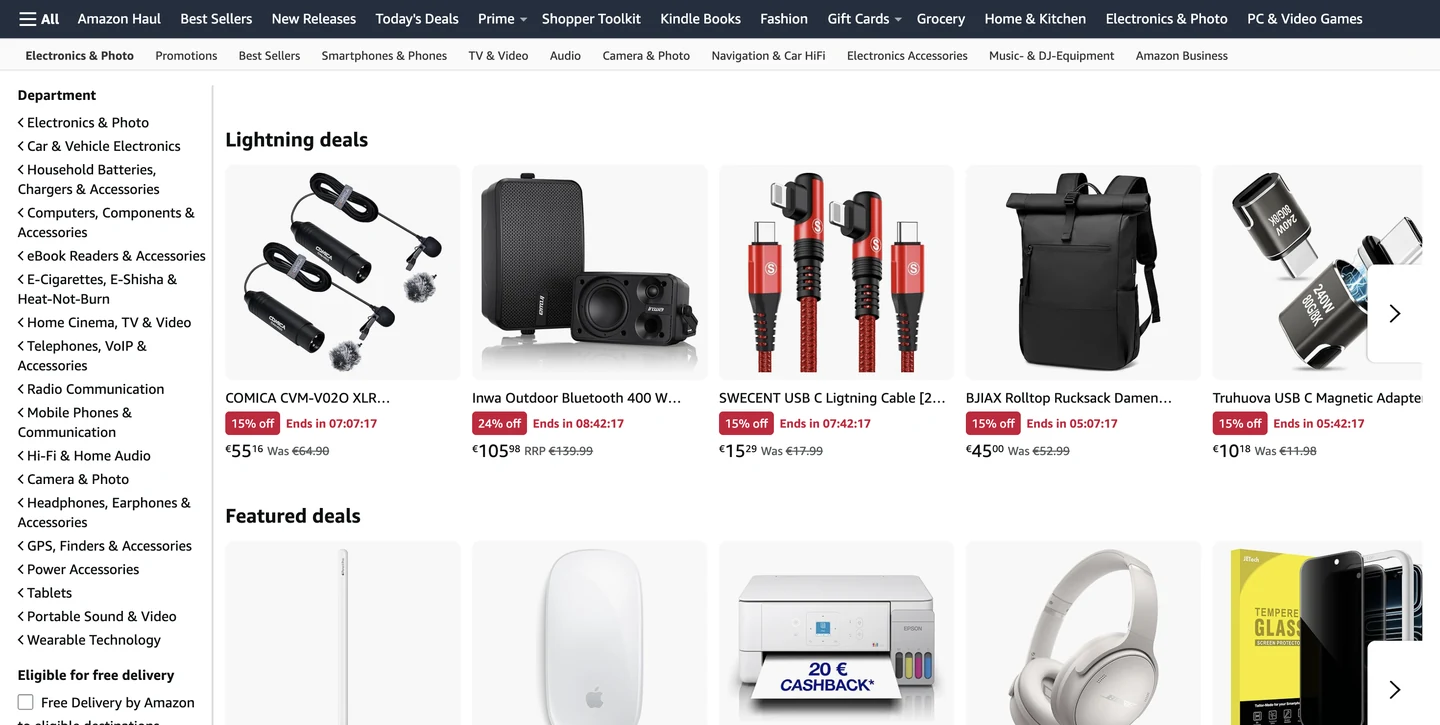
Tech accessories include phone chargers, cases, screen protectors, and wireless earbud cases, all of which are popular add-on purchases.
Home and kitchen add-ons
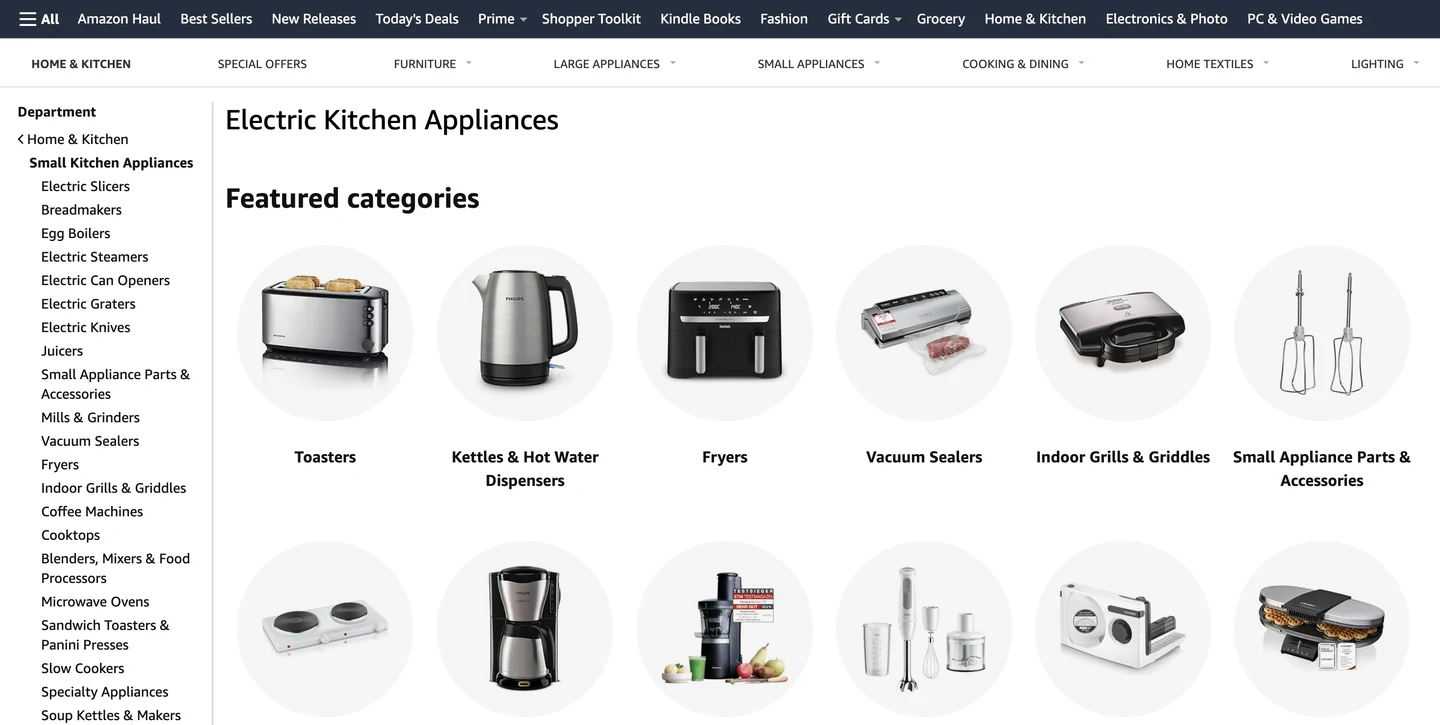
Home and kitchen add-ons, such as organizers, mini tools, hooks, and silicone utensils, are particularly popular for dropshipping. This is because these items are generally reasonably priced, have clear use cases, and make practical gifts.
Beauty tools
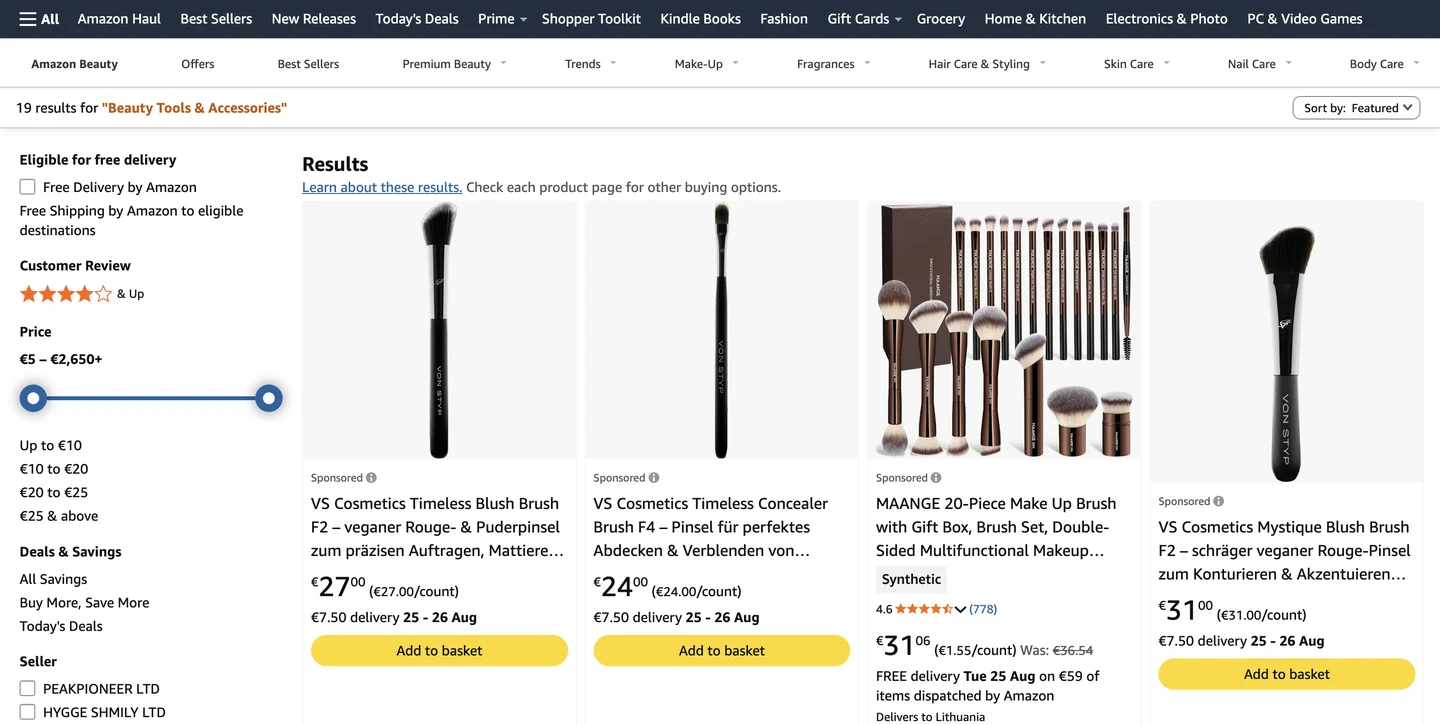
Hair wavers, LED masks, facial rollers, and manicure kits are popular Black Friday dropshipping buys. Shoppers want self-care products that feel both practical and a little indulgent.
Health and wellness
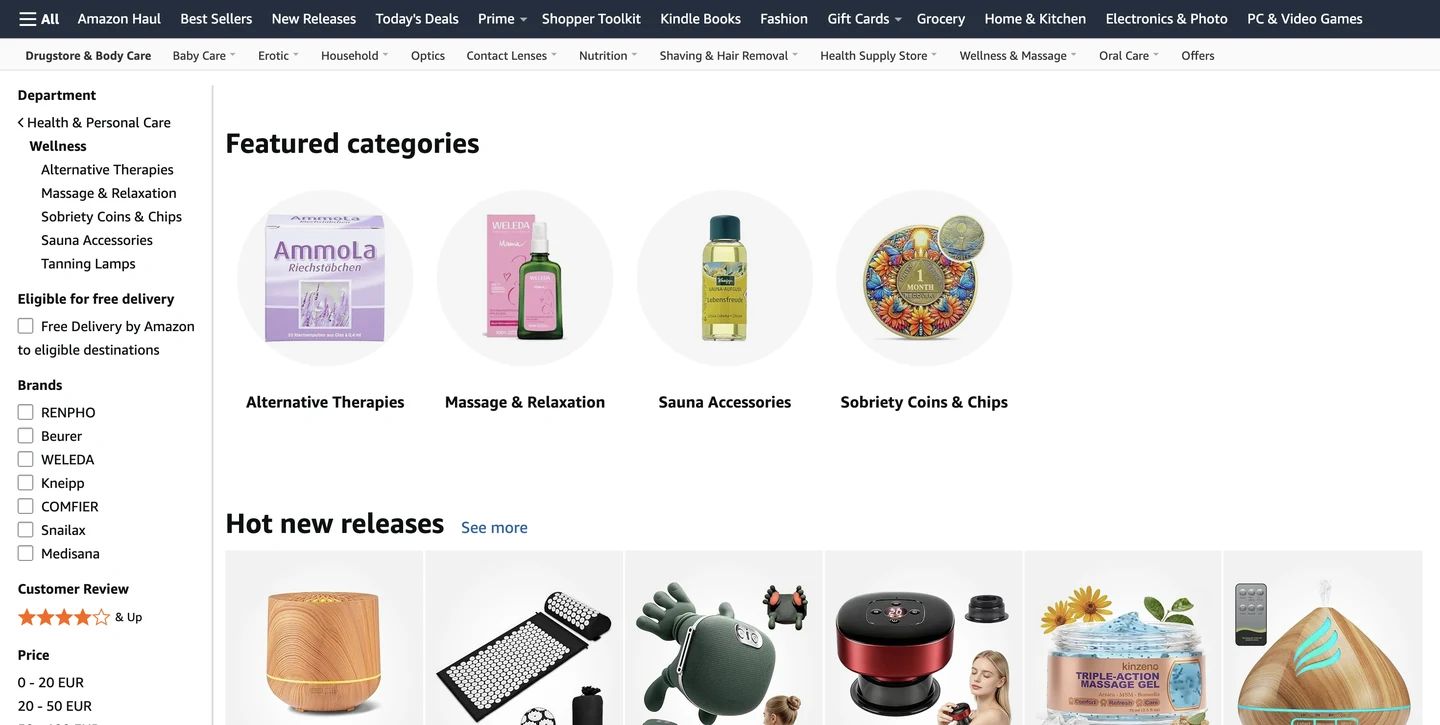
Products like resistance bands, yoga mats, foam rollers, and water bottles sell well during Black Friday dropshipping. People look for accessible ways to stay active and support their wellness goals.
Car accessories
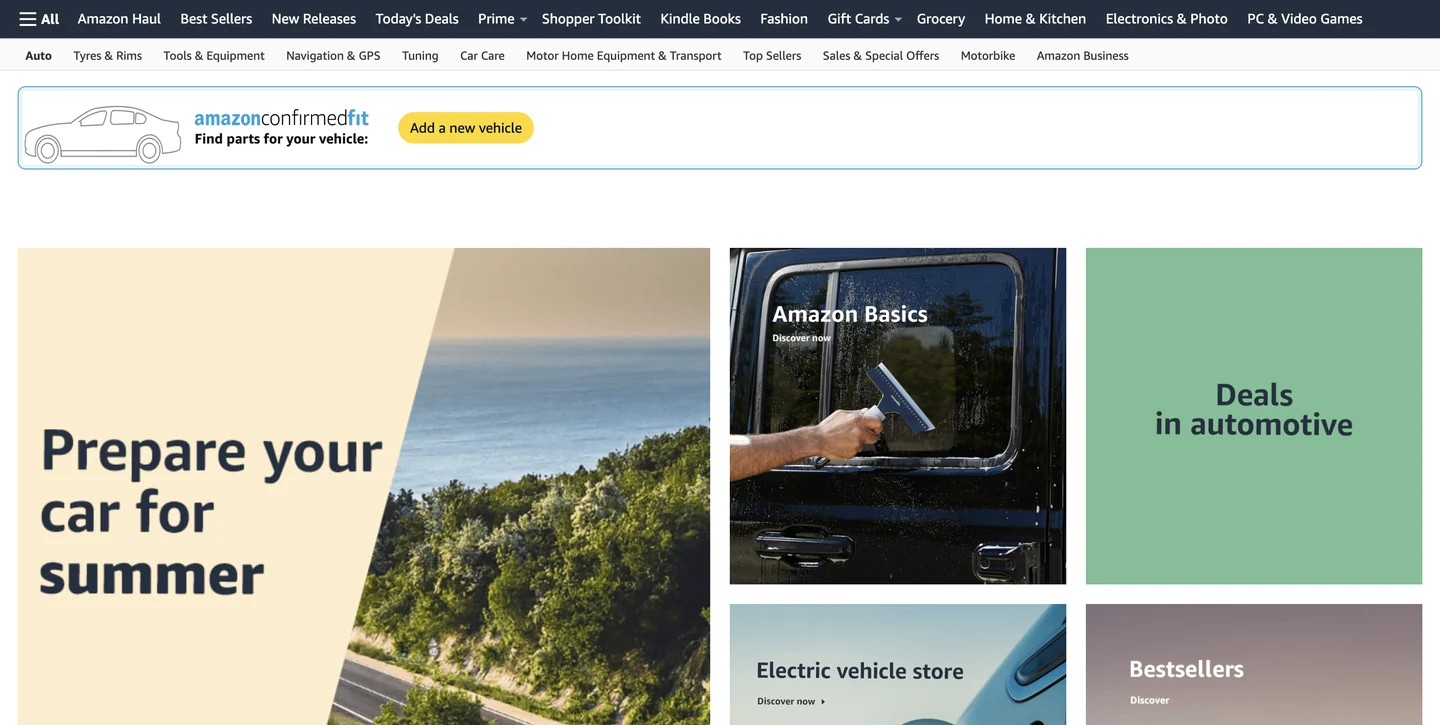
Popular items for car accessories include seat gap fillers, organizers, phone holders, and sunshades. These products are practical, low-cost upgrades that help shoppers keep their cars tidy and more comfortable.
Print-on-demand bundles
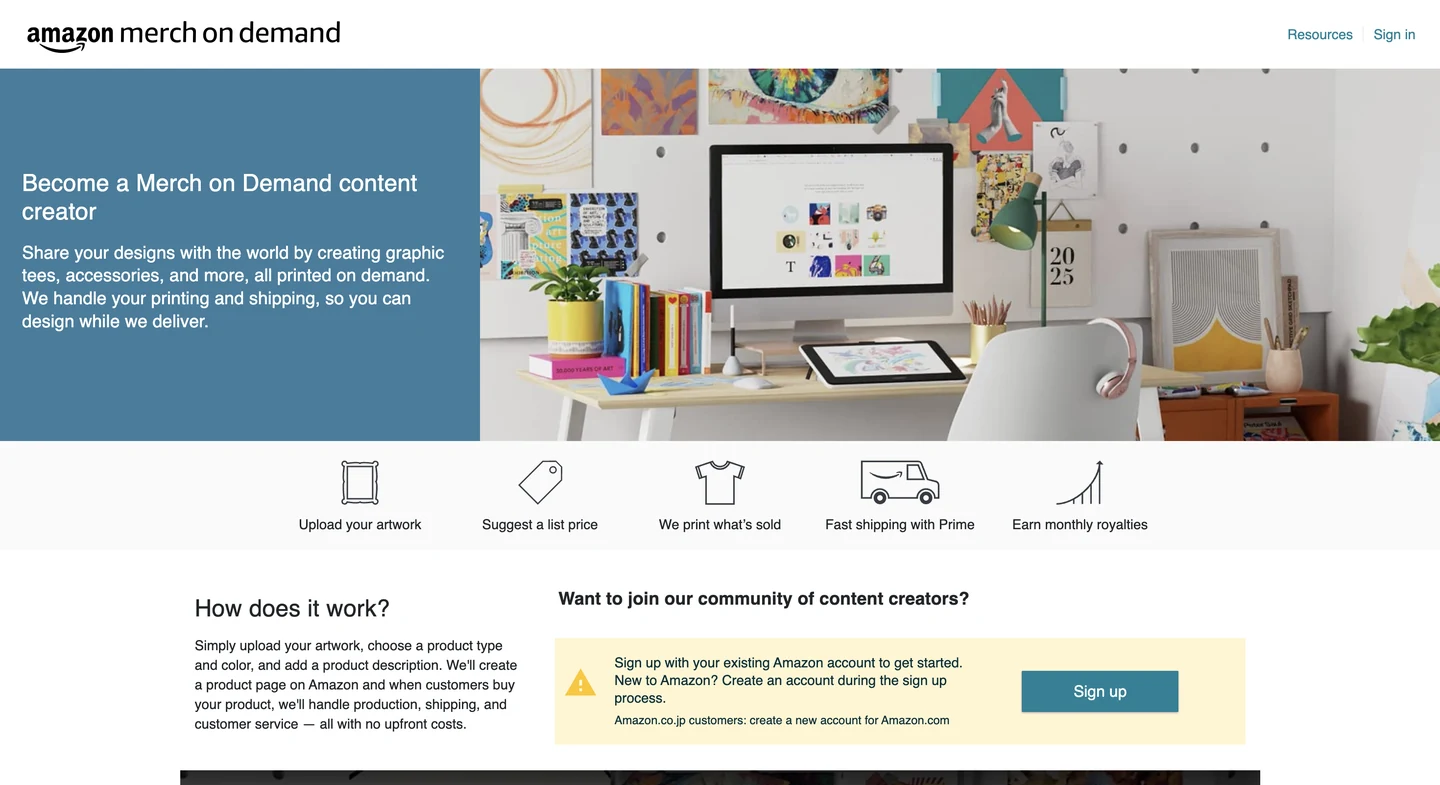
The print-on-demand market continues to grow, in part thanks to Etsy’s and Amazon’s advanced infrastructure that benefits sellers. Think custom mugs, t-shirts, notebooks, tote bags, or even full gift sets. These products make excellent, low-cost, and personalized gifts for the holiday season.
Bundle and nudge tactics
Bundling can increase the number of acquisition orders and AOV with every item in the bundle. Instead of one item at $12.99, which rarely leaves enough for ad spend and shipping, you can sell bundles that flip the math in your favor:
- Offer “Buy two, save 10%” for impulse buyers
- Use buy-one, get-one (BOGO) add-ons like “Buy a mat, get bands for half price”
- Combine POD items with other categories to create very light, high-value bundles
- Create bundles with items that are low-risk to ship
Let’s say your cost of goods is $8, and your shipping costs are $5, so that’s $13 in total before you even start spending money on ads. If you’re trying to sell a single item for $12.99, you might find it difficult to profit. But if you bundle two items for $30, then you’re left with $17 in the deal to spend on ads, to cover any returns that might come back, etc.
BFCM 2026: How much budget is enough?
Most dropshipping businesses can run BFCM campaigns with a $100 to $2,000 budget. The right BFCM 2026 budget depends on your business, annual revenue, audience, and products. But more than anything, after the latest de minimis changes, merchants must factor customs and duties into other production and shipping costs.
| Upfront/relatively fixed costs | Variable or order-dependent costs |
|---|---|
| Shopify plan and store platform | Paid ads and creator/influencer acquisition |
| Domain name (your address online) | Product cost for each order |
| Shopify apps and AI tools for reviews or cart recovery | International shipping and fulfillment |
| Initial product samples and testing | Import duties, taxes, customs fees, and other applicable charges |
| Basic creative/content production | Payment processing fees |
| Returns, refunds, replacements, and chargebacks | |
| Email/SMS marketing and promotional discounts |
A good practice for Black Friday specifically is to use landed cost to calculate your margins. Then subtract payment fees, discounts, refunds/returns, and customer-acquisition cost to estimate your actual contribution margin.
Product cost + shipping + applicable duties/taxes/fees + fulfillment costs = landed cost
You can reuse this formula for virtually any revenue model. For example:
| Budget | Ads | UGC | Email/SMS | Sampling | Returns & fulfillment reserve |
|---|---|---|---|---|---|
| $100 | 65% | 10% | 5% | 5% | 15% |
| $500 | 55% | 15% | 10% | 5% | 15% |
| $2,000 | 50% | 20% | 10% | 5% | 15% |
Notice how the bigger the budget, the more room you have for creative content and stronger retention channels. That’s because ads get you traffic, but user-generated content (UGC) and email/SMS help you keep it.
At $100, most of your spending will still go into ads because you need traffic, but keep a reserve for returns, fulfillment, and unexpected import or shipping costs. By $500, you can start testing more content and building an email list.
At $2,000, you can balance ads with stronger retention tools like SMS, which can help you generate more value from customers after BFCM too.
Here’s a quick breakeven formula example:
Breakeven return on ad spend (ROAS) = Selling price ÷ (Selling price − product cost − shipping − applicable duties/taxes/fees − other variable costs)
If you sell an item for $100 and have $50 left after product, shipping, applicable duties, payment fees, and other variable costs, you need a 2.0 ROAS to break even before fixed overhead. A higher ROAS gives you more margin to cover additional business costs and generate profit.
Reserve a margin cushion of 10% to 15% of your budget or revenue for unexpected costs such as higher-than-expected shipping charges, refunds and replacements, and applicable import charges. Don’t let these expenses burn through your budget before Cyber Monday.
What makes a winning BFCM 2026 plan?
A winning Black Friday dropshipping plan starts around September and plans campaigns and sales ahead of time.
Set up a clear Black Friday checklist beforehand, so you can build momentum and avoid last-minute panic. Black Friday is a high-traffic event, so you want to minimize the amount of potential issues and additional decisions you have to make.
September: Tease and prepare
This is the foundation stage for Black Friday dropshipping, and the goal is to get noticed and to make sure that your brand is remembered just before the big rush of the Black Friday event.
Owner’s to-dos:
- Line up suppliers and test samples to avoid last-minute surprises
- Audit your store’s loading speed, especially on mobile
- Update Product Detail Pages (PDPs), so they’re clear, mobile-friendly, and show trust signals like reviews
- Start teaser campaigns on email and SMS, promising VIP access to early Black Friday deals
October: Warm up your audience
October is about traffic and trust during Black Friday dropshipping. Start gathering leads before November, so focus on growing your list and making your site conversion-ready.
Owner’s to-dos:
- Launch paid ads that focus on email capture, not sales
- Add pop-ups with incentives like “early access” or “exclusive discount”
- Use tiered discounts to protect margin while rewarding bigger spends
- Optimize product detail pages with clear photos, short bullets, and trust badges
- Test your checkout flow, remove extra steps that slow buyers down
- Audit PDPs again, make sure bestsellers have clear sizing, shipping info, and FAQs to cut returns
Mid-November: VIP early access
By now, customers expect to hear from you. Reward loyalty and build urgency before the wider crowd arrives.
Owner’s to-dos:
- Send exclusive discount codes to subscribers who signed up early
- Test offers like “Buy two, save 10%” or free shipping thresholds
- Include a gift with the purchase to add perceived value without deep discounting
- Double-check stock levels and confirm supplier timelines
- Test your full checkout process (desktop, mobile, guest login) to fix any friction
Sellers in Black Friday discussions consistently report that early-access lists built a week ahead outperform a single big blast, and “buy more, save more” bundles beat flat percentage discounts.
November 27: Black Friday launch
This is game day. Traffic will be at its highest, and every second counts.
Owner’s to-dos:
- Run tiered offers (e.g., 20% off $50, 30% off $100) to raise cart sizes
- Promote bundles or gift-with-purchase items to protect margins
- Plan limited drops to create scarcity and keep engagement high
- Test TikTok Shop flash deals alongside your Shopify store offers
- Monitor checkout and ensure payment methods work smoothly
November 30: Cyber Monday push
Cyber Monday is up next, and it’s time to pivot your message and crank up the urgency.
Owner’s to-dos:
- Update creatives with “final chance” language to trigger urgency
- Launch limited drops or digital bundles (great for TikTok impulse buying)
- Add bundles and BOGOs, especially for the TikTok Shop, to encourage quick purchases
- Push retargeting ads to cart abandoners and site visitors from Black Friday
Extended week and shipping cut-offs
After Cyber Monday, momentum doesn’t need to stop. Customers still want deals, but urgency changes.
Owners’ to-dos:
- Run “last day to ship” countdown campaigns tied to real carrier deadlines
- Offer digital gift cards or downloadable products once shipping cut-offs pass
A strong Black Friday ecommerce strategy is about pricing, timing, and engagement at each stage. It explains how timing and channel mix decide whether sales peak or fizzle.
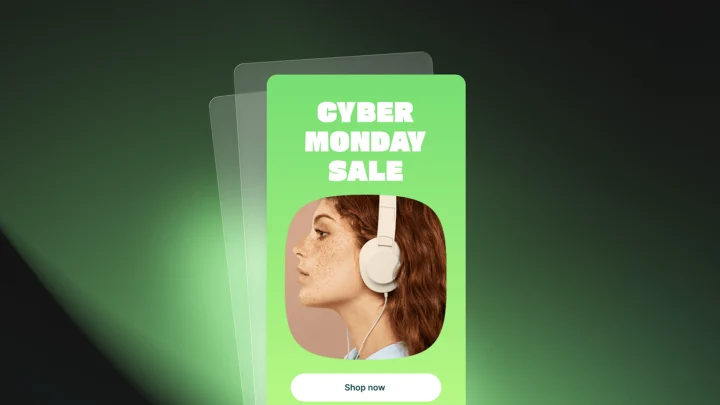
BFCM 2026 email and SMS marketing essentials
Email and SMS are the profit drivers you fully control during BFCM, when ad costs spike. Customers expect fast communication, tailored offers, and timely updates.
By mid-October, your cart abandonment, browse abandonment, and welcome automations should all be live and tested. One of the best practices is to use BFCM email analysis to identify any content gaps or timing inconsistencies.
After you plan out your emails, a good campaign cadence to follow would include: VIP early access in mid-November, Black Friday send, Cyber Monday send, and a last-chance message for the extended week.
Segment by intent so VIPs and high-lifetime-value customers get first access, recent openers get regular sends, and SMS subscribers get the time-sensitive alerts, like shipping cut-offs.
Omnisend gives ecommerce teams workflows for Black Friday email marketing strategies across email, SMS, and push notifications, so campaigns and automations run from the same segments and reporting.

Rachel Riley, a heritage childrenswear brand, chose Omnisend. With email automations, the brand grew its Black Friday and Cyber Monday revenue by 77.33% year-over-year (YoY).
The platform is so intuitive, and the support we’ve received has been amazing.
— Jacqueline Love, Ecommerce and Wholesale Manager.
For a fuller picture of how automations perform against one-off campaigns, Omnisend’s 2026 ecommerce marketing report found that automated emails made up just 2% of sends in 2025 but drove 30% of email-attributed revenue.
How to retain Black Friday and Cyber Monday customers
Retaining newly acquired customers during Black Friday and Cyber Monday requires brands to analyze which of their products and marketing channels converted. For example, if you noticed that your mobile conversions rose above 60% during BFCM 2025, prioritize optimizing mobile checkout and SMS.
But to attract and retain customers, you should have a strong Black Friday marketing strategy in place. If you’re still fleshing out yours, start with a post-purchase sequence:
- Confirmation email with delivery details
- Follow-up that shows who you are beyond the transaction
- Request for reviews or user-generated content once the product arrives
Once you’ve drafted these emails, segment your repeat buyers by what they previously purchased and send them personalized cross-sell offers in the months to come.
Overall, treat BFCM as a customer acquisition engine, not a single sales event, and the discount-driven buyers you win in November can become repeat, loyal customers by spring.
Wrapping it up: Final tips for BFCM 2026
Planning for BFCM 2026 starts with cold, hard margin data, using the best channels and promotions to get customers in. First, choose products that have the right margin, weight for shipping, few returns, and are allowed to be sold in each market. Next, choose the right marketing to get to the right customers at the right time.
Use the Black Friday and Cyber Monday period to acquire loyal buyers, test offers, refine processes, and gather data to improve future campaigns for lasting business growth.
Quick sign up | No credit card required