
 Omnisend AI


 OFFER
OFFER







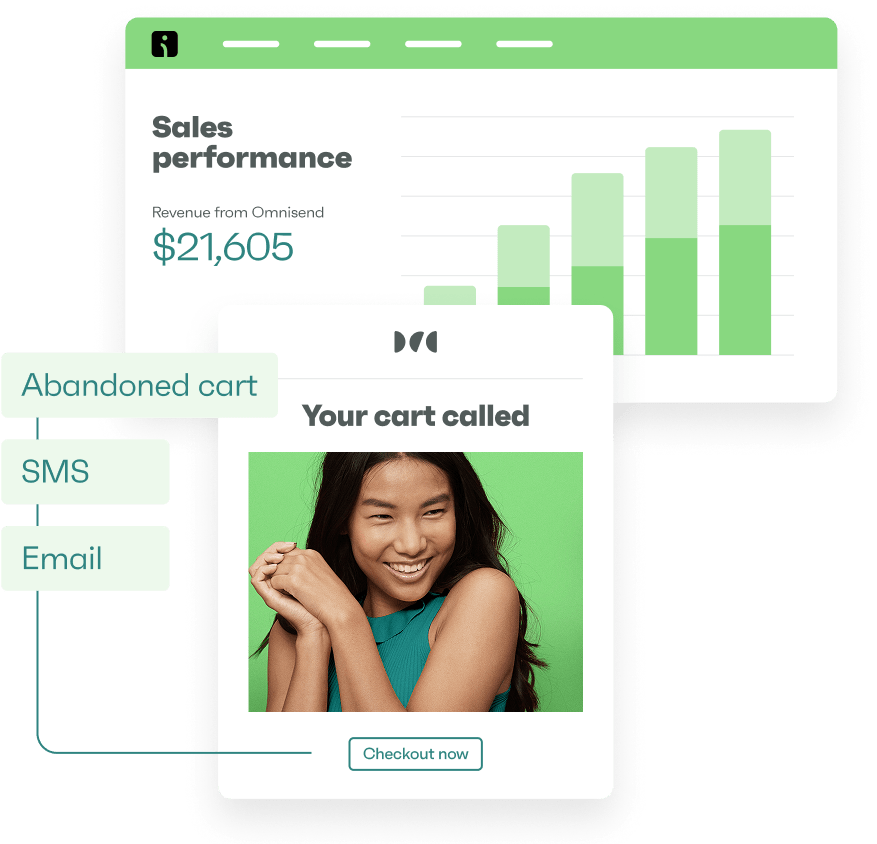
Drive sales on autopilot with ecommerce-focused features
See Features
ChatGPT can significantly enhance your Shopify store's productivity by automating tasks like marketing, customer support, and content creation, provided you use well-structured prompts.
Effective prompts are crucial; they should include context about your business and previous attempts to avoid generic responses that waste time.
The article offers 25 tailored ChatGPT prompts for various Shopify tasks, including product descriptions, email marketing, SEO, and customer support, to maximize efficiency and engagement.
Integrating ChatGPT with Shopify can streamline operations and improve customer experiences, making it a valuable tool for e-commerce growth.
Using ChatGPT for Shopify is the biggest productivity upgrade you’ll make this year for marketing, handling customer complaints, finding opportunities, solving problems, improving margins, increasing sales, plus all the bits in between.
That is, provided you use the right prompts, because ChatGPT isn’t just a wonderful thinking engine, it’s also an excellent time-waster. Your prompts need to not only describe what you want but also explain the context, such as what you’ve already tried.
Without that, you’ll get generic advice you could find in any blog post, and spend more time editing the output than you saved.
This article provides 25 ChatGPT prompts your Shopify store can use for product descriptions, emails, ad copy, SEO, and more.
Quick sign up | No credit card required
Did you know?
Shopify and OpenAI partnered up in 2025 for agentic commerce, letting ChatGPT users buy products from Shopify stores directly in chats without leaving. Shopify’s move ties in with our research into Gen AI, finding that half of online shoppers now use it.
Read more: Half of online shoppers now use Gen AI
Why use ChatGPT for Shopify?
There’s a growing need for automation and speed in ecommerce because consumers are increasingly expecting not only a quality customer experience, but a contextual one with rapid product discovery and personalization.
ChatGPT for Shopify comes into the fold with instantaneous outputs that provide value throughout your business. It’ll help plan your store, launch, win sales, retain customers, reduce costs, negotiate new supplier rates, and more for free or with a relatively cheap paid plan.
It isn’t just a prompt engine, but a collaborative tool that makes your job easier. Part of that revolves around how it thinks differently. It can bounce your ideas and data around, and help you make decisions grounded in reality.
What can ChatGPT do for Shopify stores?
Save you time, get stuff done, beat down your brain fog, and if you lay down a prompt and run away from your device, continue working while you’re making coffee. All the good stuff, plus the strategy and high-level insight needed to grow your store.
Here are some of the best things ChatGPT can do for you:
- Sell on ChatGPT: You struck AI gold when you signed up for Shopify because your customers can buy your products instantly in ChatGPT with one tap
- Work out your business plan: Either get it to write it, feed in your own plan, or take a hybrid approach and let ChatGPT develop it in series
- Provide frank advice on opportunities: Anything you think is a goer, ChatGPT provides insight and an approach for the next steps
- Come up with marketing ideas: You might already have email, SMS, and Google Shopping jotted down, but ChatGPT will list a dozen more
- Create product descriptions and other website copy: The easiest task for ChatGPT, although human editing is 100% necessary to make it unique
- Build briefs and tone of voice documents: Positioning is easier with ChatGPT because it can review your competition and find angles
- Write email and SMS content within character limits: Rather than writing what you think will work, let ChatGPT provide a base and edit that instead
- Read PDFs and reports and extract the data you want: Enormous PDFs and reports are a waste of your time when ChatGPT can pull the good stuff for you
- Develop apps and widgets for your store: Instead of relying on expensive apps and themes, develop things such as bundle builders and quizzes
- Generate prompt templates for store tasks: Let ChatGPT feed itself with prompts that get the nitty-gritty of your store done
ChatGPT prompts for Shopify you can copy
A prompt is what you enter into ChatGPT, and its quality determines the output you get.
Case in point, the prompt “email marketing strategy” generates a so-called “complete” email marketing strategy, but it lacks any context around your industry, customers, previous strategy, competitors, and Shopify marketing goals.
The output’s generic, basically, but a touch of context and clever wording will give ChatGPT what it needs to produce the high-level outputs your store needs for crucial business decisions.
Here are the 25 best ChatGPT prompts for Shopify:
ChatGPT prompts for product descriptions
Your product descriptions should sell hard, and you can work with ChatGPT using multiple prompts to achieve that. Copy the examples below and replace any product names, industries, and customer types with your own:
1.Positioning against competitors
Write a product description for organic cotton bedsheets that positions them against bamboo alternatives. Address why customers switch from synthetic materials and include three reasons to choose cotton over bamboo.
2. Solving pain points
Create a product description for noise-cancelling headphones that solves the problem of open office distractions. Focus on how customers use them during work calls and mention battery life in hours.
3. Rewriting for different audiences
Rewrite this existing blender description to appeal to parents who make baby food instead of fitness enthusiasts. Keep the same features, but change how you talk about speed settings and capacity.
4. Explaining complex and technical features
Generate a product description for waterproof hiking boots that explains Gore-Tex technology without using jargon. Write for customers who hike twice per month and need boots that last three years minimum.
5. Creating urgency for seasonal occasions
Build a product description for our limited edition winter candles launching in November. Mention the scent notes and explain why customers should buy now instead of waiting until December when stock runs out.
ChatGPT prompts for Shopify emails
Email is your most valuable marketing channel because you own it, meaning you have a list, automations, and campaigns ungoverned by anyone else. But if you prompt ChatGPT to write emails, you risk sounding like everyone else. Copy these prompts to create unique email copy:
6. Cart abandonment without discounts
We need a cart abandonment email for customers who left skincare products in their cart over 24 hours ago. Include a gentle reminder about the products and mention our free shipping threshold without offering a discount.
7. Post-purchase feedback and upsell
Our email sequence needs a post-purchase email that arrives three days after customers receive their first order of coffee beans. Ask for feedback on the roast level and suggest a subscription plan based on their purchase quantity.
8. Personalized re-engagement
Draft a re-engagement email for customers who haven’t purchased in six months from our pet supplies store. Reference their last purchase category and show three new products in that same category.
9. VIP early access
Create two emails for VIP customers announcing early access to our summer collection 48 hours before the public launch. Include how much they spent last year and thank them for being in our top 10 percent. We want two versions with slightly different angles.
10. Transparent shipping delays
I need an honest shipping delay email for orders affected by weather disruptions. Provide a new estimated delivery date and explain what happened without making excuses or offering compensation automatically.
ChatGPT prompts for ad copy & social media
Expect a significant amount of trial and error with your ad and social media copy, but if you feed ChatGPT your results and data (e.g., click-through rates), optimizing everything is easy. Copy the prompts below to create the initial ad and social media copy:
11. Instagram carousel strategy
I need five Instagram carousel slides for a meal prep container brand. Show how customers use the containers throughout their workweek. Each slide covers a different day and meal type from Monday breakfast through Friday lunch.
12. Facebook ad variations
Write two different opening hooks for a Facebook ad selling reusable water bottles. Hook one calculates the dollar amount customers save per year compared to buying disposable bottles. Hook two states how many plastic bottles stay out of landfills.
13. Repurposing customer reviews
Take these five customer reviews about weighted blankets and adapt them into social media posts for Instagram, TikTok, and Facebook. Adjust the tone for each platform and keep Instagram captions under 150 characters.
14. Seasonal angles
A jewelry brand needs Valentine’s Day ads for January without the typical romance angle. Write four different messaging approaches that sell jewelry for the holiday without mentioning love, relationships, hearts, or roses.
15. Competitor response ads
Write a Facebook ad for premium running shoes when the leading competitor just dropped prices by 40 percent. Position the product as worth paying more for without directly referencing the competitor’s sale.
ChatGPT prompts for Shopify SEO
Shopify lets you edit the title tags and meta descriptions for your posts and pages, plus the handles of your URLs (the text after the slash). You also get complete control over the content you add. Copy these prompts to use ChatGPT for SEO:
16. Product title and meta description optimization
Rewrite the product title and meta description for organic dog treats to rank for “grain-free dog treats” on Google. The current title gets 50 clicks per month, but competitors rank higher with better titles.
17. Blog content strategy from keyword research
My home decor Shopify store has 200 products, but no blog. Identify five blog topics that target keywords customers search before buying throw pillows. Include monthly search volume for each topic.
18. Product page content rewrite
My furniture store ranks on page three for “mid-century modern coffee table,” but my product pages copy the manufacturer’s text. Take this walnut coffee table and rewrite the description to include the keyword three times without sounding repetitive or unnatural.
19. Category page SEO audit
Audit these ten product category pages and explain why they’re not ranking. Look at title tags, header structure, word count, and internal linking. Provide fixes for the three worst-performing categories first.
20. Image alt text for product photography
Generate alt text for 20 product images selling handmade ceramic mugs. Each alt text should describe the product accurately while including relevant keywords like “handmade,” “ceramic,” “mug,” and colors or patterns.
ChatGPT prompts for Shopify customer support
Dealing with customers appropriately is easier with ChatGPT because you can explain the situation and ask for a few ways to respond. Either get it to rewrite what you’re thinking, or have it produce communication from scratch with these prompts:
21. Damaged product with a refund request
Someone ordered a candle that arrived damaged and wants a refund. Our policy is replacement only. Write a response that explains this, offers the replacement, and prevents a bad review.
22. Lost package from shipping partner
Our shipping partner lost a package. The customer waited three weeks and is angry. Draft a reply that takes responsibility without blaming the carrier and offers two solutions.
23. Mass delay notification follow-up
Fifteen customers emailed asking where their orders are after we sent a mass delay notification yesterday. Create one template response that answers the question and stops the back and forth.
24. Final sale return request
The return request is for a final sale item from our Black Friday promotion. The customer missed that it was non-returnable. Write a response that holds the boundary on no returns and offers store credit instead.
25. Negative review response
One of our customers left a one-star review saying our skincare product caused a reaction. They never contacted us first. Draft a public response to post under the review that addresses their concern and shows other customers how we handle complaints.
How to use ChatGPT with Shopify
To use ChatGPT for Shopify stores, head to ChatGPT and create a free account so that it saves your chats. The free account is plenty enough for testing purposes, but you’ll need the Plus plan at $20/month to access the latest GPT model and expanded messaging.
Give it a good go over with a few ecommerce prompts and see if its knowledge and responses are good enough for your Shopify store. Then follow these Shopify tips:
1. Set clear goals
Each conversation you have with ChatGPT needs a goal, and that goal needs to be within your prompt so it doesn’t go off track and produce a load of fluff.
For example, your goal could be:
- Produce better product descriptions than the 15 competitor descriptions you provide
- Find five opportunities from keyword research
- Audit your ad click-through rate and identify why clicks have dropped over the previous three months
The clearer your goal, the better your result.
2. Use ChatGPT prompts for ecommerce tasks
Don’t prompt ChatGPT like a consumer or business newbie. Otherwise, the quality of your responses will be terrible. Tell it two things first:
- That you own a Shopify store
- That it is a Shopify expert for the chat
Then you can prompt ChatGPT with anything relating to ecommerce and expect to receive advice and content that’s usable. Keep your topics completely on ecommerce, such as email flows, customer journeys, and retention.
3. Export and integrate outputs into Shopify
Copy and paste ChatGPT’s outputs into Grammarly or another editing tool and ensure the grammar is perfect. If you have concerns over AI content not performing well, use Originality.ai or another top-level AI detector and edit it to pass (or rewrite it).
Copy and paste your fully edited content into your Shopify product, collection, and additional pages, and click save to set them live. View the live version to check that the content appears as it should, with proper fonts and sizing.
4. Combine ChatGPT with other Shopify apps
ChatGPT is an external tool you can take outputs from and use in your Shopify store, but with the right apps, you can add ChatGPT to your Shopify store.
For email automation, Omnisend has a built-in AI writer for your subject lines, preheaders, body content, and headings. Another helpful AI feature is Campaign Booster for automatically resending campaigns with a fresh subject line or SMS.
Other apps include Rep AI for a ChatGPT-powered shopping concierge, and IndexGPT for getting your Shopify store visible in AI search tools.
 | Bowy Made generates 70 percent of revenue from email automations. Product abandonment flows alone brought in five figures monthly after switching from Mailchimp to Omnisend within two years of launching. Read the Omnisend customer story: Bowy Made. |
Quick sign up | No credit card required
ChatGPT for Shopify: FAQs
Sure can. The OpenAI API provides developer access to GPT for integration into your Shopify store, workloads, and backend, plus ChatGPT powers most AI apps (such as product description generators). Mind you, there isn’t a ChatGPT app by OpenAI.
All the really boring stuff (tone of voice document creation, data discovery, customer profiling) plus the elements that generate revenue, such as email strategy and ad copy. Anything that’s a manual task now could be automated with ChatGPT.
It’s a 100% no, unless you’re trying to integrate its API and build custom apps, in which case, ChatGPT unloads some of the burden anyway with guides.
Completely free if you’re happy with the free plan. $20/month steps you up to the Plus plan, and it’s significantly better with deep research and reasoning.

TABLE OF CONTENTS
TABLE OF CONTENTS


No fluff, no spam, no corporate filler. Just a friendly letter, twice a month.