
 Omnisend AI


 OFFER
OFFER






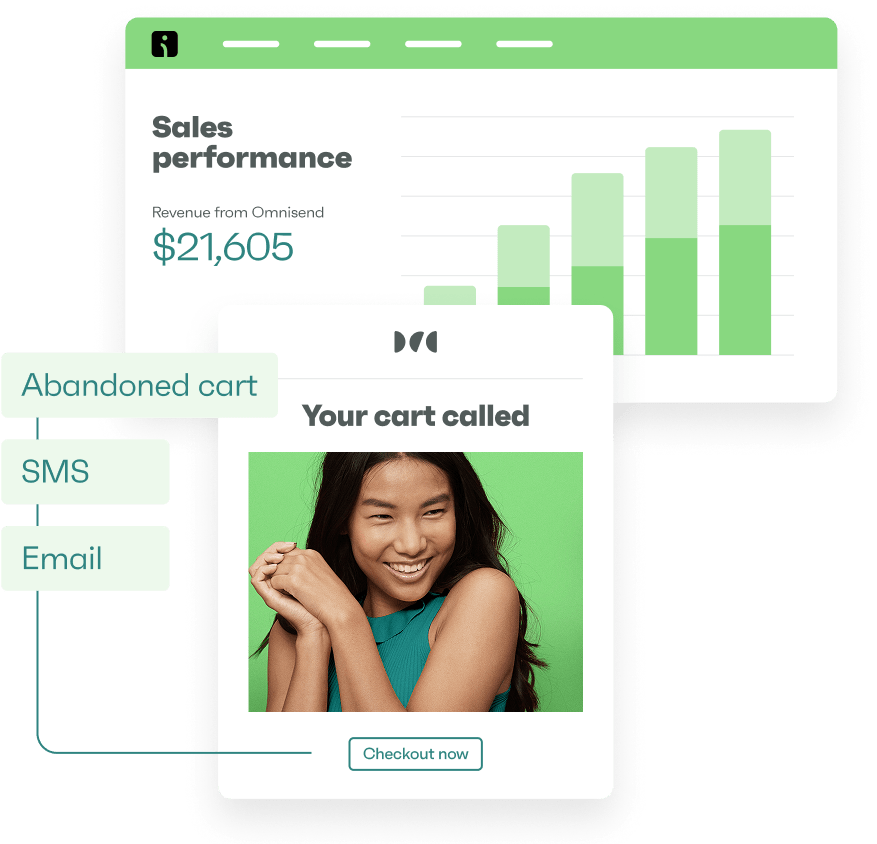
Drive sales on autopilot with ecommerce-focused features
See FeaturesKey takeaways 
No-code platforms and automation tools are key to transforming online business ideas into profitable ventures, making it easier for anyone to start and scale their business.
Successful online businesses thrive on strong niches, solid customer relationships, and consistent communication, emphasizing the importance of targeted engagement.
Trending business ideas for 2026 include AI-powered services, eco-friendly products, and digital downloads, all offering significant earning potential and market demand.
Leveraging automation tools like Omnisend can streamline communication and enhance customer engagement, allowing business owners to focus on growth and strategy.
Reveal key takeaways
Starting an online business is easier than ever, but picking the right idea is where most people get stuck. The best options usually share a few traits: you can validate demand quickly, start small without a massive budget, and grow using repeatable marketing and retention tactics.
To build a successful online business, you need a strong niche, solid customer relationships, and consistent communication. To kickstart your business, this article groups some of the most profitable online business ideas you can start right away.
We’ll list down estimated costs, skills required, and potential earnings for each idea to help you decide which one to pursue. We’ll also discuss how to automate your business processes to maintain customer relationships and scale efficiently.
Get Omnisend to handle your communications automatically so you can focus on growing your business
Quick sign up | No credit card required
Quick comparison: Best business ideas by goal
If you’re wondering which business makes the most money, check out the quick comparison table below. We’ve listed the best online business ideas by difficulty, startup cost, and how fast you can earn in 2026:
| Business idea | Difficulty (one–five) | Startup cost | Time to first revenue |
|---|---|---|---|
| AI consulting | Three | $1,000 – $10,000 | One to two months |
| AI content audits | Three | $50 – $10,000 | |
| Prompt libraries/toolkits | Two | <$500 | One to three weeks |
| Dropshipping | Two | $150 – $2,600+ | Three to six months |
| Print-on-demand | Two | $30 – $2,000+ | Seven – 21 days |
| Online courses | Three | $140 – $100,000 | Two to four weeks |
| Ebooks/digital guides | Two | $150 – $1,800+ | Often within one month |
| SEO | Four | $2,600 – $6,000 | Less than two years |
| Blogging | Three | $50 – $300 | Six – 12 months |
| YouTube channels | Four | $150 – $1,000 | 6 months to one year |
What online businesses are trending right now?
AI‑powered tools, eco‑friendly commerce, digital downloads, creator-led content, and remote services are some of the most profitable businesses to start. Let’s talk about them in more detail.
Are AI-powered online business ideas worth exploring?
Yes. According to Statista, the global AI market was valued at about $244.2 billion in 2025. This highlights the growing importance of AI tools, providing more opportunities for AI-powered online business ideas like AI content audit services.
These online business ideas are best for tech-savvy individuals and marketers. You can earn approximately $20 – $150+/hour.
Pros
- Growing client base as businesses continue to adopt AI
- Services can be provided remotely
Cons
- Learning curve for coding or AI skills
- Highly competitive space
Profitability depends on choosing the right niche, delivering value, and using automation to scale.
For example, Omnisend’s AI features help you generate email copy, build smart customer segments, and personalize campaigns automatically. This helps free up time that can be invested in strategy and growth.
Can sustainable online business ideas pay off in 2026?
According to First Insight, 62% of Gen Z prefer sustainable brands, and 73% of them are even willing to pay more.
This is one of the online business ideas for beginners and side-hustlers. Why? You can start small with eco-friendly items like bamboo-based personal products or reusable household items.
Revenue varies, but some brands can reach $200k+/year.
Pros
- Rising demand for eco-friendly products
- Worldwide reach without physical store overheads
Cons
- Higher costs for ethical sourcing, materials, and certifications
- Inconsistent product sourcing
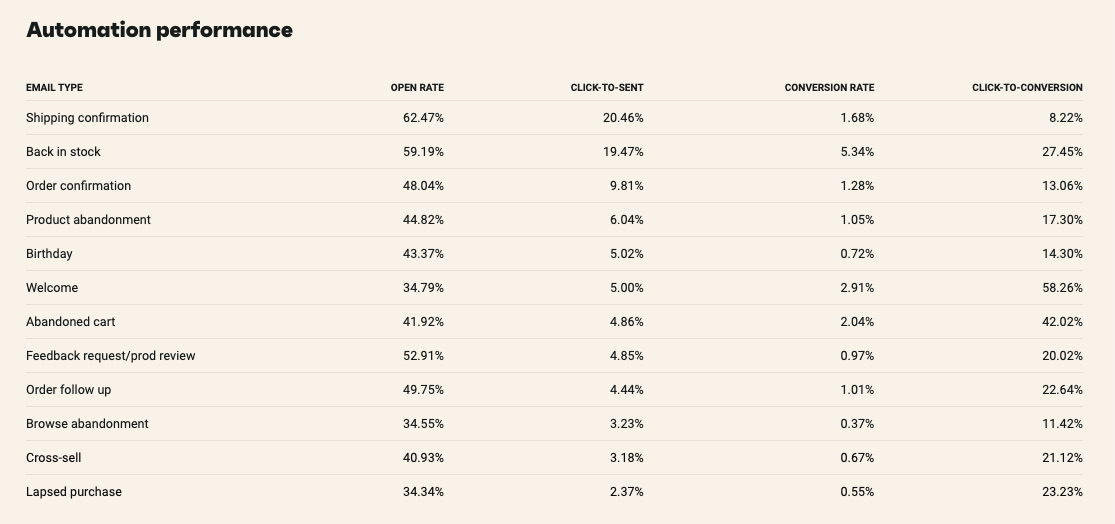
Products sell out quickly due to high demand. That’s why it’s important to ensure timely communication with customers. Use tools like Omnisend to automate back-in-stock email and SMS. On average, these messages have a 59.19% open rate and a 5.34% conversion rate, according to an Omnisend report:
Which digital products sell best online?
The digital commerce market is growing at 8% CAGR, projected to reach $10.7 trillion by 2030. Templates, Notion packs, online courses, and printables are among the most profitable online business ideas.
You can earn $2,000+/month, while successful creators may reach $90,000+ in revenue.
Pros
- Low overhead and near-zero production cost
- Create once and earn passive income
Cons
- Digital products have a higher risk of being copied or stolen
- Low entry barrier increases competition and requires strong marketing strategies
Consider using automation tools like Omnisend to send product delivery emails and follow-ups with upsells. This will increase long-term engagement with minimal effort.
Is remote service work still a viable online business idea?
Yes. Coaching, virtual assistance, freelance SEO, content design, and editing are among the most profitable service businesses. Earning potential starts at around $100 – $1,500/day.
These online business ideas are best for experienced professionals with marketable skills in IT, writing, or design.
Pros
- Flexible schedule and access to a global client
- Scale your business via recurring contracts
Cons
- Client acquisition requires consistent outreach and trust-building
- Managing multiple clients can be time-intensive
As a remote service provider, you manage leads, active and past clients, and prospects.
Using segmentation and lifecycle-based automation will help your business grow. Tools like Omnisend let you automate emails and SMS for lead nurturing, client onboarding, and check-ins without complicating your workflow.
Which creator-led online business ideas grow fastest?
Content creators are monetizing YouTube, podcasts, and social media to build profitable online businesses.
You can earn on YouTube through their Partner Program. Memberships, merch, and affiliate links also offer scalable income. This is one of the best online business ideas that suits storytellers, niche experts, and consistent creators.
Pros
- Low startup costs
- Strong personal brand builds long-term influence
Cons
- Slow audience growth
- Income can fluctuate based on engagement
Creators need to deliver timely, relevant content at scale. You can also leverage email marketing to turn subscribers into loyal paying customers. Tools like Omnisend let you automate welcome emails, drip campaigns, and product updates.
Which online business ideas are most profitable?
We’ll now break down 25+ online business ideas, including required core skills, risks involved, and estimated costs for each. We’ll also show you how to use automation to launch some of the most profitable businesses.
Which AI-powered business ideas have real growth potential?
AI-powered services are among the fastest-growing online business ideas. Let’s explore them.
1. AI consulting for small businesses
Guide businesses in choosing tools, automating workflows, and improving efficiency.
Startup cost: $1,000 – $10,000
Difficulty: 3/5
Time to first $100: One to two months
Time to first $1,000: Three to six months
Skills/platforms: ChatGPT, Notion AI, Zapier/Make, prompt engineering, workflow design, client communication
Monetization model: Hourly or retainers
Risks/compliance:
- Ensure clear contracts and invoicing policies
- Follow email/SMS consent rules
Launch with Omnisend
Recommended automations:
Starter segments:
- “AI-interested leads”
- “Clients needing upgrades”
Recommended template:
- Weekly educational newsletter about ‘AI tips for small businesses’
2. Prompt libraries and AI toolkits
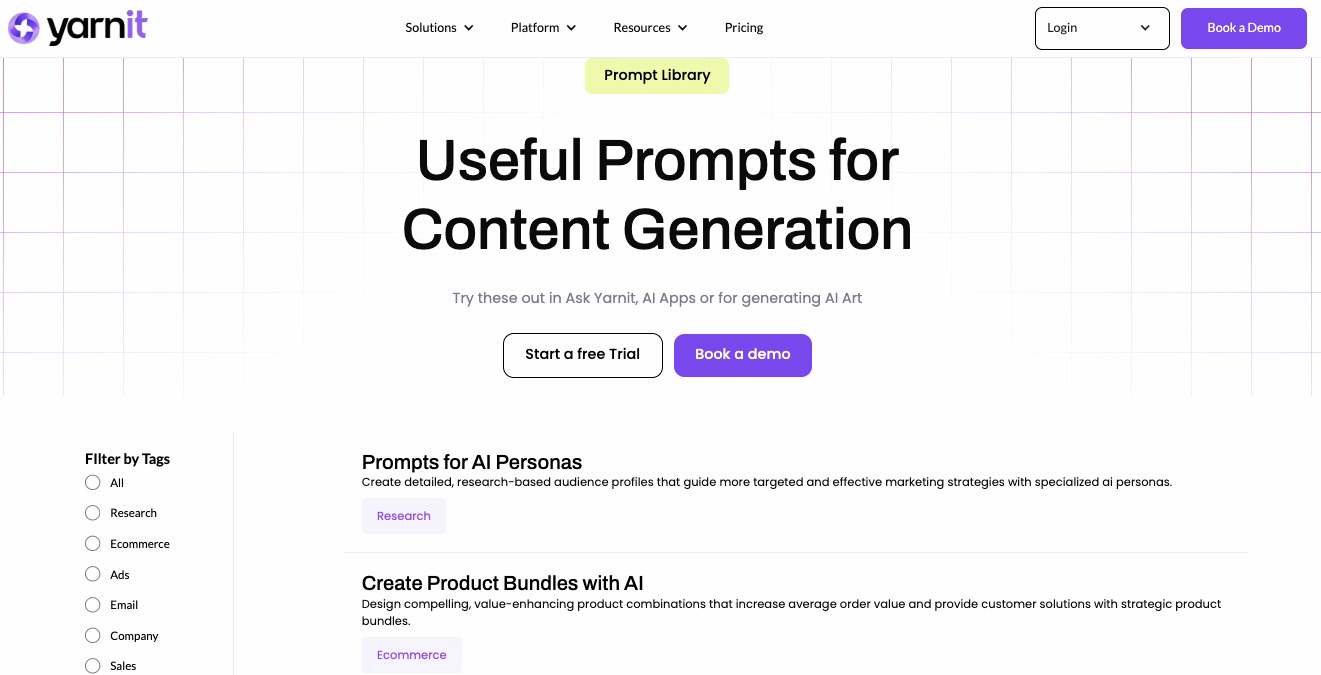
Curate and sell categorized AI prompts for email, marketing, content, or product launches, as Yarnit does:
Startup cost: < $500
Difficulty: 2/5
Time to first $100: One to three weeks
Time to first $1,000: One to two months
Skills/platforms: Prompt curation, website building, Gumroad, ChatGPT, marketing
Monetization model: One-time bundle sales or tiered pricing
Risks/compliance:
- Copyright issues if prompts resemble proprietary material
- Customer dissatisfaction if prompt results underdeliver
Launch with Omnisend
Recommended automations:
Starter segments:
- “New prompt buyers”
- “Browsed, didn’t buy”
Recommended template:
- Use a product promotion email from Omnisend’s gallery — customized in the builder
3. AI content audits
Analyze blogs, landing pages, and product descriptions with the help of AI tools.
Startup cost: $50 – $10,000
Difficulty: 3/5
Time to first $100: < One week
Time to first $1,000: One to four weeks
Skills/platforms: AI prompts, content analysis, SEO, reporting, Notion AI, Jasper, SEMrush
Monetization model: Fixed-price packages or retainers
Risks/compliance:
- AI inaccuracies — careful auditing required
- Follow GDPR/CCPA for client data
Launch with Omnisend
Recommended automations:
- Segment triggers
- Customer reactivation
- Browse abandonment
Starter segments:
- “New audit leads”
- “Audit clients needing follow-up”
Recommended template:
- Educational newsletter highlighting the benefits of AI audit
4. AI SaaS products
Serve specific industries with AI-powered SaaS solutions (like legal document analysis).
Startup cost: $10,000 – $50,000
Difficulty: 4/5
Time to first $100: Three to six months
Time to first $1,000: Three to six months
Skills/platforms: No-code/low-code, API integration, AI tools, product management
Monetization model: Subscription plans
Risks/compliance:
- Over-customization slows updates
- Poor onboarding reduces adoption
Launch with Omnisend
Recommended automations:
- Welcome
- Manage browsing behavior
- Customer reactivation
Starter segments:
- “New trial users”
- “Customers upgrading”
Recommended template:
- Feature adoption/upsell emails to move users to higher-value plans
Which ecommerce business ideas are working now?
Online business ideas like dropshipping, print-on-demand, and subscription boxes are promising ecommerce ideas to start in 2026.
1. Dropshipping
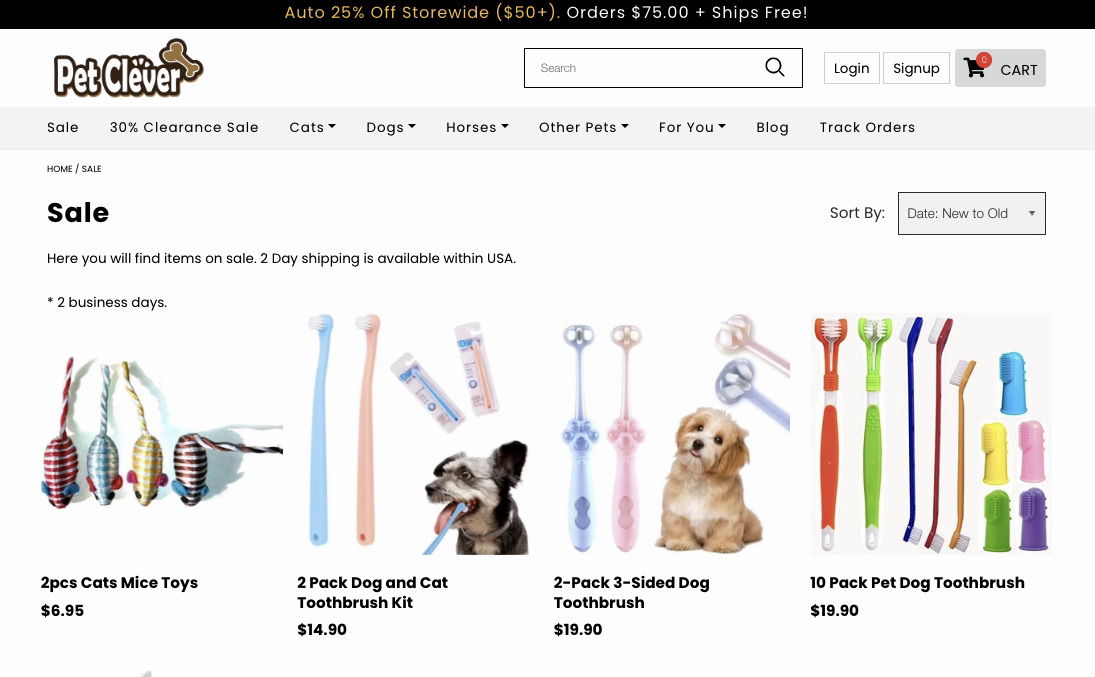
Sell products online without holding inventory. Consider the pet care niche. Over 50% of Gen Z and millennials buy pet supplies online. PetClever is a great example:
Startup costs: $150 – $2,600+
Difficulty: 2/5
Time to first $100: Three to six months (with dropshipping marketing)
Time to first $1,000: Three to six months
Skills/platforms: Dropshipping with WooCommerce/Shopify, product research, Facebook/Instagram ads, SEO
Monetization model: Markup pricing
Risks/compliance:
- Shipping delays/quality issues
- Complex tax rules
Launch with Omnisend
Recommended automations:
- Abandoned cart
- Post-purchase follow-ups
- Browse abandonment
Starter segments:
- “First-time shoppers”
- “High-interest browsers”
Recommended template:
- Promo/flash sale emails
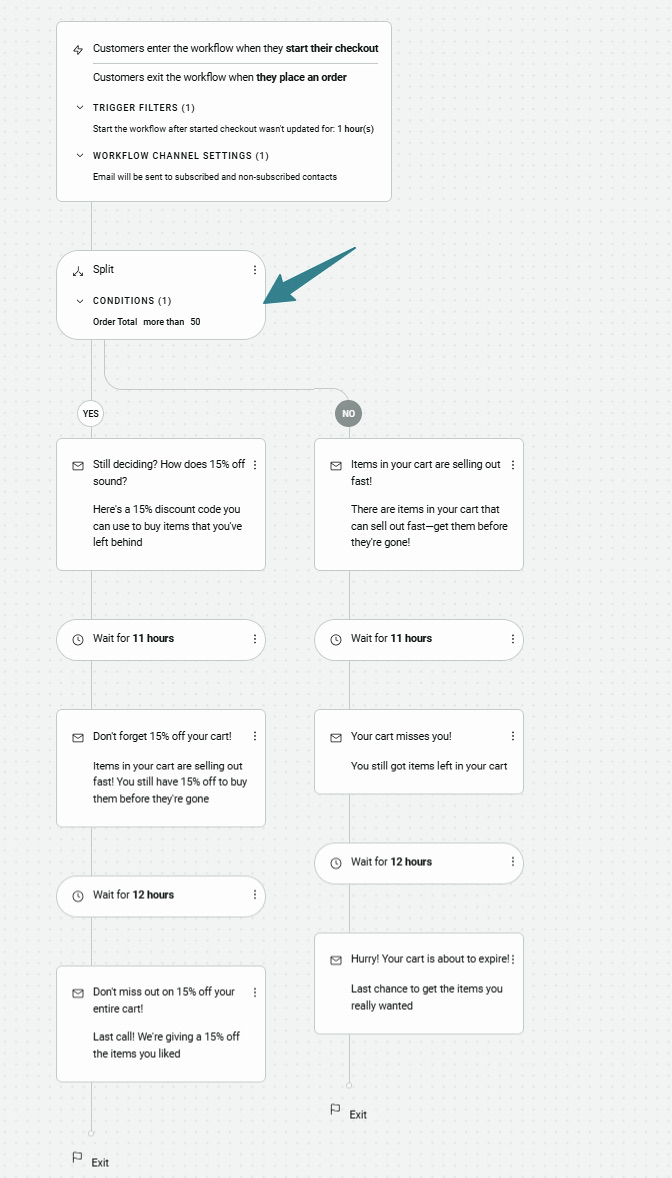
Here’s an Omnisend abandoned cart workflow showing triggers, order-value customer splits, email timing, and exit points:
2. Print-on-demand (POD)
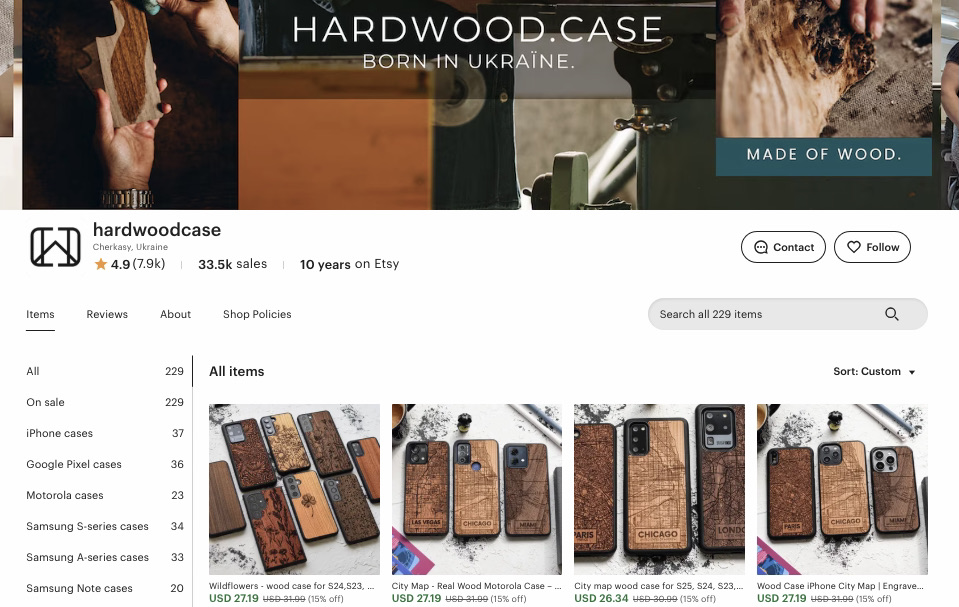
This is one of the best online business ideas for 2026. Why? You create products only when someone orders. An example is these phone cases from Hardwoodcase:
Startup costs: $30 – $2,000+
Difficulty: 2/5
Time to first $100: Seven to 21 days
Time to first $1,000: 165 days
Skills/platforms: Shopify/Etsy, Canva/Adobe, Printful
Monetization model: Markup pricing
Risks/compliance:
- Driving traffic needs effort/budget
- Avoid copyright infringement
Launch with Omnisend
Recommended automations:
- Welcome
- Shipping confirmation
- Abandoned cart
Starter segments:
- “Viewed, didn’t buy”
- “Repeat POD buyers”
Recommended template:
- Product promotion newsletter
Here’s how to easily set up your welcome and abandoned cart workflows on Omnisend:
3. Handmade products
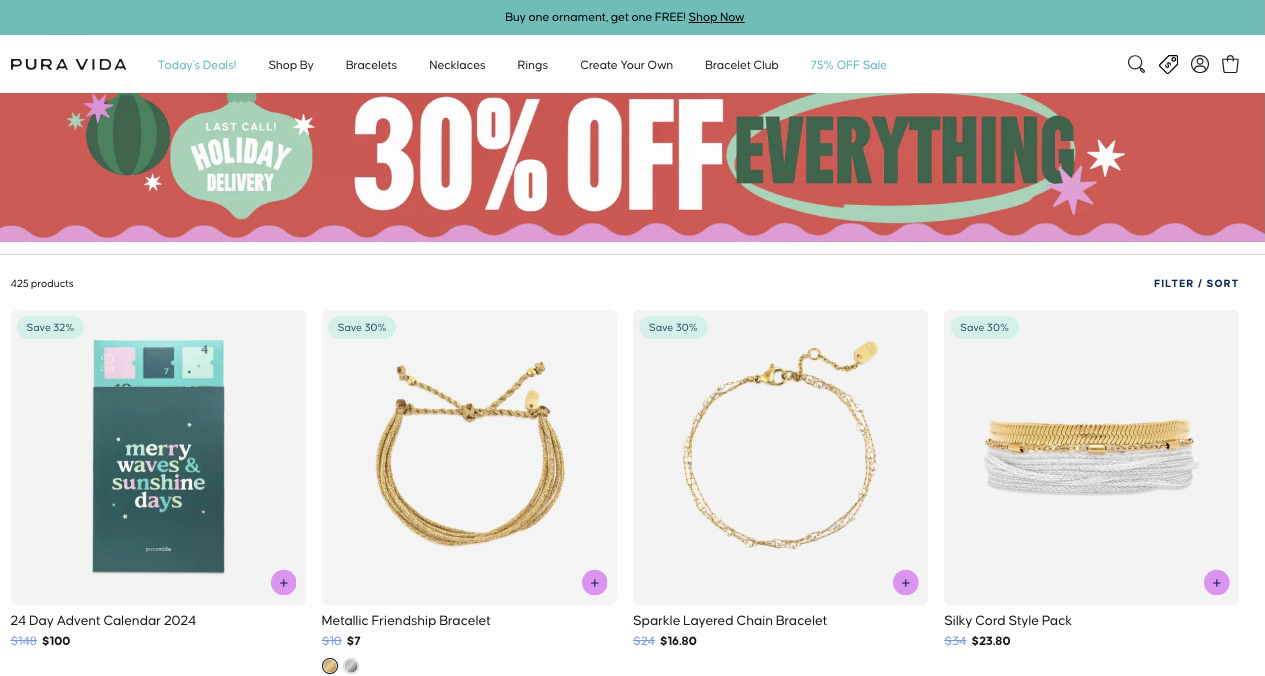
You can make products by hand, including jewelry, home decor, and crafts. Pura Vida is a successful example of these online business ideas:
Startup costs: $60 – $50,000+
Difficulty: 3/5
Time to first $100: First few months
Time to first $1,000: Six – 12 months
Skills/platforms: Etsy/Shopify, photography, craft skills, marketing
Monetization model: Value-based pricing
Risks/compliance:
- Fragile items may break in transit
- Materials must meet safety/allergen standards
Launch with Omnisend
Recommended automations:
- Product review requests
- Browse abandonment
- Replenishment reminder
Starter segments:
- “First‑time buyers”
- “Repeat customers”
Recommended template:
- Testimonial emails
4. Subscription boxes
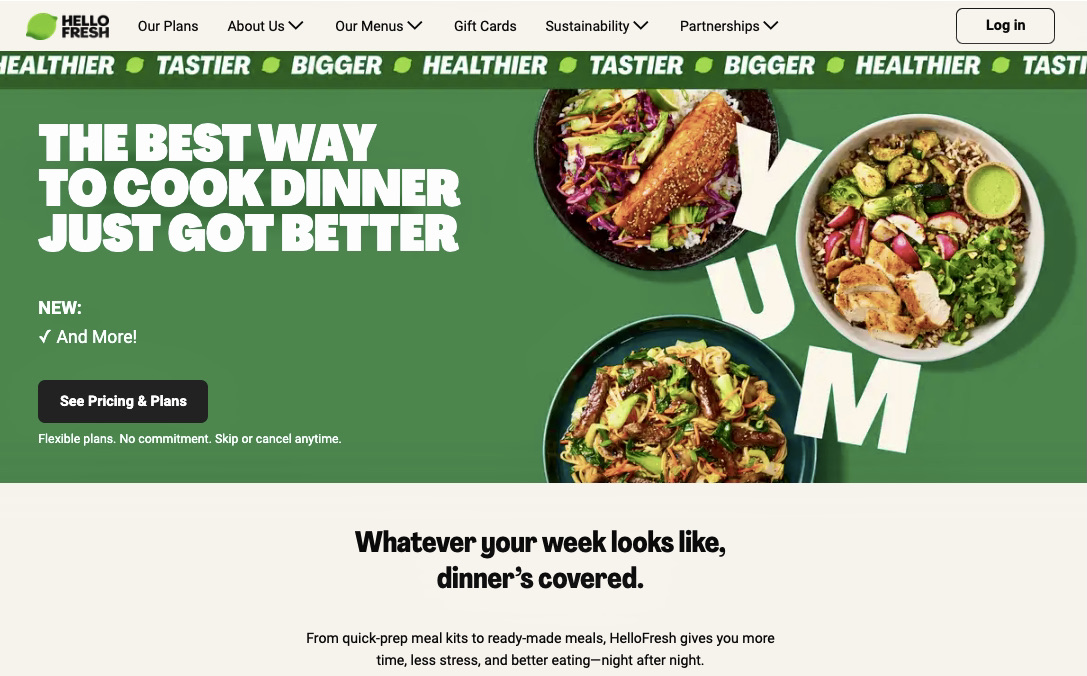
Subscription boxes deliver items regularly, ensuring a steady income. Food boxes are the most popular category (30% of customers), and HelloFresh is a leading example:
Startup costs: $2,000 – $10,000
Difficulty: 4/5
Time to first $100: Six – 12 months
Time to first $1,000: Six – 12+ months
Skills/platforms: Niche research, Shopify/Subbly/Cratejoy, WooCommerce, and its automations
Monetization model: Recurring pricing
Risks/compliance:
- Recurring billing complexity
- Follow FTC “click-to-cancel” rules
Launch with Omnisend
Recommended automations:
- Shipping confirmations
- Birthday automation
- Customer reactivation
Starter segments:
- “Active subscribers”
- “Lapsed subscribers”
Recommended template:
- Subscription launch email
5. Reselling (online arbitrage)
Buy discounted products and sell online via eBay, Amazon, or your store. Online business ideas like this are profitable with careful sourcing.
Startup costs: < $1,000
Difficulty: 3/5
Time to first $100: Two to four months
Time to first $1,000: Six to 12+ months
Skills/platforms: eBay, Amazon, Shopify, product research tools
Monetization model: Markup
Risks/compliance:
- Avoid counterfeit goods
- Comply with Prop 65 chemical warning laws
Launch with Omnisend
Recommended automations:
- Welcome
- Cross-sell/upsell
- Product abandonment
Starter segments:
- “Product viewers”
- “First-time buyers”
Recommended template:
- Product-focused welcome email with a time-sensitive incentive
6. Private label products
Source generic products, brand them under your label, and sell online via Shopify, WooCommerce, or Amazon.
Startup costs: $5,000 – $25,000+
Difficulty: 3/5
Time to first $100: Three months to launch
Time to first $1,000: Within 6 months for 35% of sellers
Skills/platforms: Product sourcing, branding, Shopify/WooCommerce, Amazon FBA
Monetization model: Markup
Risks/compliance:
- Quality control issues from manufacturers
- Products must meet safety and cGMP standards
Launch with Omnisend
Recommended automations:
- Welcome
- Browse behavior
- Customer reactivation
Starter segments:
- “First-time buyers”
- “High-interest browsers”
Recommended template:
- Product launch/flash sale emails
Which digital product business ideas can scale?
Digital products like online courses, templates, and ebooks are some of the most scalable online business ideas. They can be sold repeatedly with minimal ongoing costs.
1. Online courses
Create and sell online courses to teach a skill you’re an expert in.
Startup cost: $140 – $100,000
Difficulty: 3/5
Time to first $100: Two to four weeks
Time to first $1,000: Two weeks to several months
Skills/platforms: Teaching, video production, Teachable, Thinkific, Udemy
Monetization model: One-time sales
Risks/compliance:
- Sales tax varies by region
- Ensure accessibility (WCAG standards)
Launch with Omnisend
Recommended automations:
- Cross-sells
- Product review requests
- Cancellation confirmation
Starter segments:
- “New leads”
- “Course buyers”
Recommended template:
- Case study/success story emails
2. Ebooks and digital guides
Create and sell niche ebooks or guides to generate passive income.
Startup cost: $150 – $1,800+
Difficulty: 2/5
Time to first $100: Often within one month
Time to first $1,000: More than one month for active authors
Skills/platforms: Writing, editing, design, Gumroad, Amazon KDP
Monetization model: One-time payments
Risks/compliance:
- Content theft
- Follow data‑privacy laws when collecting customer data
Launch with Omnisend
Recommended automations:
- Browse abandonment
- Cross-sell
- Order follow-up
Starter segments:
- “Cart abandoners“
- “Freebie downloaders”
Recommended template:
- Product launch email with time-bound discount (20% off for 48 hours)
3. Templates
Design and sell ready-to-use digital templates for businesses and individuals.
Startup costs: < $100
Difficulty: 2/5
Time to first $100: Three months
Time to first $1000: Over three months
Skills/platforms: Design, Canva, Figma, Creative Market, Etsy, Gumroad
Monetization model: One‑time sales
Risks/compliance:
- Platform fee rules vary
- Follow marketplace rules and avoid copyright infringement
Launch with Omnisend
Recommended automations:
- Abandoned cart
- Cross-sell
- Product review requests
Starter segments:
- “Preview downloaders”
- “Template wishlist subscribers”
Recommended template:
- Product recommendations/cross-sell emails
4. Membership sites
Offer exclusive content, tools, or community access through a subscription-based membership site.
Startup costs: $100 – $30,000
Difficulty: 3/5
Time to first $100: Achievable with three to four paying members at $48/month
Time to first $1000: Acquire 20+ members
Skills/platforms: Content creation, website building, Memberful, Patreon
Monetization model: Recurring subscription
Risks/compliance:
- Ensure payment security (PCI compliance)
- Manage content licensing for paid resources
Launch with Omnisend
Recommended automations:
- Welcome
- Order follow-up
- Customer reactivation
Starter segments:
- “Trial signups”
- “Engaged members”
Recommended template:
- Exclusive upgrade discount email — encourage free to paid conversions
5. Stock photos
Sell curated packs of royalty-free photos to marketers, brands, and creators.
Startup costs: $0 – $5,000+
Difficulty: 3/5
Time to first $100: Six – 18 months
Time to first $1,000: Six to 18+ months
Skills/platforms: Photography/videography, editing, Adobe Stock, Shutterstock
Monetization model: Per-download royalties or bundle sales
Risk/compliance:
- License misuse may occur if usage terms are unclear
- Non-compliance with quality standards can lead to the removal of photos
Launch with Omnisend
Recommended automations:
- Browse/product abandonment
- Cross-sell/segmentation
- Order follow-up and review request
Starter segments:
- “First-time buyers”
- “Bundle viewers”
Recommended template:
- Image drop announcement emails with themes and direct purchase links
Which service-based business ideas pay the fastest?
The fastest-paying service-based online business ideas turn your skills into billable services with minimal setup. Here are some options:
1. SEO
SEO involves improving website traffic and search rankings.
Startup cost: $2,600 – $6,000
Difficulty: 4/5
Time to first $100: Less than two years
Time to first $1,000: Less than two years
Skills/platforms: SEO strategy, analytics, content writing, Google Search Console, Ahrefs
Monetization model: Monthly retainers
Risks/compliance:
- Clear contracts with NDA/IP clauses
- Follow search engine guidelines
Launch with Omnisend
Recommended automations:
- Welcome
- Segment triggers
- Order follow-up
Starter segments:
- “New leads”
- “Past clients”
Recommended template:
- Welcome newsletter with free SEO resources and checklists
2. Social media management
Like many service-based online business ideas, this helps boost brand growth and engagement.
Startup cost: ~$50 – $2,000
Difficulty: 3/5
Time to first $100: Get a few billable hours at $42/hour
Time to first $1,000: One to two months
Skills/platforms: Content creation, analytics, Instagram, TikTok, Canva, Buffer
Monetization model: Monthly retainer
Risks/compliance:
- Accounts are vulnerable to hacking
- Set clear content/confidentiality policies
Launch with Omnisend
Recommended automations:
- Cross-sell/upsell
- Browse abandonment
- Customer reactivation
Starter segments:
- “Pricing page visitors”
- “Engaged leads”
Recommended template:
- Service promotion email showcasing packages and results
3. Coaching
This online business idea involves helping clients achieve personal or career goals through structured sessions.
Difficulty: 4/5
Startup costs: $2,800+
Time to first $100: Three to six months
Time to first $1,000: Six to 24 months
Skills/platforms: Goal setting, client communication, Zoom, Calendly, Notion
Monetization model: Per-session or retainer
Risk/compliance:
- Maintain client confidentiality
- Clearly define session scope and outcomes
Launch with Omnisend
Recommended automations:
- Order confirmation/follow-up
- Replenishment reminders
- Review requests
Starter segments:
- “New clients”
- “Returning clients”
Recommended template:
- Pre-session check-in email for reminders and goal setting
4. Virtual assistant
A virtual assistant provides technical, administrative, or creative support to clients.
Startup cost: $700+
Difficulty: 3/5
Time to first $100: A few billable hours
Time to first $1,000: First few weeks with a steady client base
Skills/platforms: Organization, email/CRM tools, calendar management, Zoom
Monetization model: Monthly retainer/hourly
Risk/compliance:
- Avoid client data errors
- Meet agreed deadlines
Launch with Omnisend
Recommended automations:
- Welcome
- Order confirmation
- Review requests
Starter segments:
- “High-priority clients”
- “Recurring task clients”
Recommended template:
- Weekly task summary email for clients
5. Freelancing
Freelancers provide writing, design, editing, or video work to clients worldwide.
Startup costs: $0 – $5,000
Difficulty: 3/5
Time to first $100: A few billable hours at $50/hour
Time to first $1,000: A few weeks to months of consistent projects
Skills/platforms: Writing, editing, design, client communication, portfolio platforms
Monetization model: Per-project, hourly, or retainer
Risks/compliance:
- Manage payment disputes
- Safeguard client files and maintain original work rights
Launch with Omnisend
Recommended automations
- Welcome
- Segment triggers
- Client reactivation
Starter segments:
- “Prospective clients”
- “Active projects”
Recommended template:
- Post-project client off-boarding email to secure testimonials and referrals
6. Email marketing management
Email marketers help businesses plan, write, send, and optimize email marketing campaigns that nurture leads and drive sales.
Startup costs: $1,800+
Difficulty: 3/5
Time to first $100: Often within the first few small jobs
Time to first $1,000: A few months of consistent client work
Skills/platforms: Email platforms (Mailchimp/Klaviyo/Omnisend), copywriting, analytics
Monetization model: Hourly, per project, or retainer
Risks/compliance:
- Comply with GDPR, CAN-SPAM, CASL, and CCPA
- Email only opted-in recipients
Launch with Omnisend
Recommended automations
- Welcome
- Cross-sell/upsell
- Replenishment reminders
Starter segments:
- “Leads”
- “Active clients”
Recommended template:
- Campaign performance summary email
Which content business ideas help build long-term assets?
Blogs and YouTube channels are among the top online business ideas that build long-term assets and create passive revenue.
1. Blogging
Blogging builds long-term value by attracting traffic that you can monetize through newsletters, ads, sponsored posts, or affiliate links.
Startup cost: $50 – $300
Difficulty: 3/5
Time to first $100: Six – 12 months
Time to first $1,000: 12 – 24 months
Skills/platforms: Writing, editing, SEO, WordPress, Squarespace, Medium
Monetization model: Ads, affiliate, sponsorships
Risks/compliance:
- Income is subject to tax laws
- Ensure all content is original
Launch with Omnisend
Recommended automations
- Welcome
- Cross-sell
- Product review requests
Starter segments:
- “Newsletter subscribers”
- “Engaged readers”
Recommended template:
- Newsletter announcement highlighting new posts
2. YouTube channels
Create content to build a community and earn via ads, sponsorships, and affiliates.
Startup cost: $150 – $1,000
Difficulty: 4/5
Time to first $100: Six – 12 months
Time to first $1,000: Six to 12+ months
Skills/platforms: Video creation and editing, YouTube, TubeBuddy, Canva, Adobe Premiere, CapCut
Monetization model: Ads, affiliate, sponsorships
Risks/compliance:
- Cyberbullying towards creators
- Respect privacy when featuring individuals in your videos
Launch with Omnisend
Recommended automations:
- Welcome
- Product/content alert
- Customer reactivation
Starter segments:
- “Video viewers”
- “Loyal subscribers”
Recommended template:
- New video emails and alerts
3. Podcasts
Podcasts build loyal audiences and revenue through sponsorships, ads, and merch. They position hosts as trusted experts.
Startup costs: $150 – $7,000+
Difficulty: 3/5
Time to first $100: Six – 18 months
Time to first $1,000: Six – 18+ months
Skills/platforms: Audio recording/editing, Anchor, Spotify, Audacity
Monetization model: Sponsorships, ads, affiliate
Risks/compliance:
- Warn listeners about any mature content
- Ensure copyright and licensing compliance
Launch with Omnisend
Recommended automations:
- Welcome
- Customer reactivation
- Segment triggers
Starter segments:
- “Subscribers who downloaded previous episodes”
- “Engaged listeners”
Recommended template:
- Content roundup emails with episodes and resources
4. Niche review sites
Build a trusted audience by reviewing products and services. Monetize via affiliate links and ads.
Startup costs: $200 – $500/year
Difficulty: 3/5
Time to first $100: Six to 12 months
Time to first $1,000: Six to 12+ months
Skills/platforms: Writing, SEO, WordPress, product research
Monetization model: Affiliate, ads, sponsorships
Risks/compliance:
- Fake or biased reviews harm trust
- Follow CRFA for consumer rights
Launch with Omnisend
Recommended automations:
- Welcome
- Manage browse behavior
- Browse abandonment
Starter segments:
- “High-intent readers”
- “Returning visitors”
Recommended template:
- Content update newsletter, including best-of lists and new trends
5. Micro-influencing
Build a niche audience on social media and promote products through affiliate links and sponsored posts.
Startup costs: $500 – $2,000+
Difficulty: 4/5
Time to first $100: Three to six months
Time to first $1,000: Over six months
Skills/platforms: Social media content, storytelling, niche focus
Monetization model: Affiliate links, sponsored posts, brand partnerships
Risks/compliance:
- Disclose paid promotions
- Maintain authentic content to retain audience trust
Launch with Omnisend
Recommended automations:
- Welcome emails
- Product review requests
- Order follow-ups
Starter segments:
- “New followers”
- “Engaged fans”
Recommended template:
- Weekly spotlight featuring affiliate picks and product recommendations
How to choose the right online business idea for you
Choosing the wrong online business idea can waste time and motivation. You may find it harder to gain profits or scale your business.
While there’s no perfect idea, the right one depends on your skills, time, and resources. Ask yourself these questions:
- Am I creative, analytical, or technical?
- How many hours per week can I realistically dedicate to this idea?
- Is my startup budget low, medium, or high?
- How comfortable am I with financial risk?
- Do I prefer structured, repetitive work or flexible, creative projects?
- Would I rather start small and learn fast, or invest upfront for bigger potential?
- Am I comfortable promoting myself and selling directly to customers?
Once you have the answers, you can match your results to the types of online business ideas you can pursue:
- Low capital + little time: Service or content-based online business ideas (social media management, blogging, SEO)
- Low to moderate capital + more time: Digital products or AI services
- Moderate to high capital + long-term investment: Ecommerce (dropshipping, POD, subscription boxes) and premium AI services
- Flexible schedule + niche expertise: Content creation or niche podcasts
Pick online business ideas that require learning new skills or tools if you’re a beginner, then move to complex models later.
For instance, if you’re a parent with 10 hours a week of availability, service or content ideas with low upfront effort work best. If you’re a student on a tight budget, blogging or entry-level AI services are ideal. They need only minimal capital and offer flexible hours.
How to start an online business: The seven-step launch framework
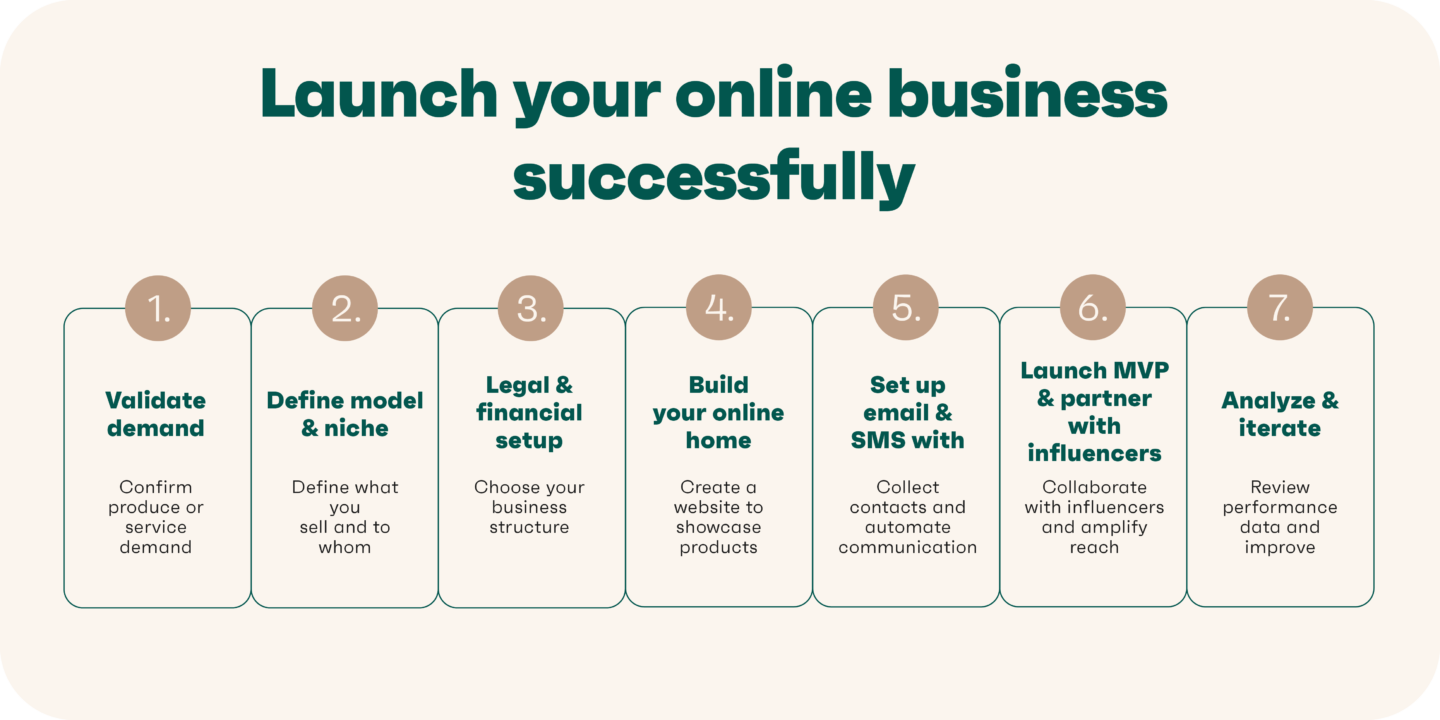
Launching online business ideas requires a structured approach. This seven-step business launch checklist covers the process from planning to action.
Step 1: Validate demand
Before building anything, confirm demand. Many online business ideas fail by skipping this step.
Start with a quick keyword scan on Google Trends, Semrush, and Pinterest Trends. Identify three to five top competitors, noting pricing, positioning, best-sellers, and reviews.
Step 2: Define your business model and niche
Once demand is validated, narrow down your list of potential online business ideas and choose a business model. Decide what to sell, who to sell to, and how to earn revenue (one-time or subscriptions).
Match the business model to your skills and audience. Then, define your niche by identifying who you serve, the problem they face, when it becomes urgent, and what they already pay for similar solutions.
Step 3: Set up your basic legal and financial structure
Many online business ideas begin as sole proprietors, then upgrade to an LLC as revenue grows. Set up a business bank account, payment processor, and record-keeping system.
You also need to have a basic understanding of tax to stay compliant and avoid fines when scaling online business ideas. Check sales tax requirements for products or digital goods in your region.
Step 4: Build your online home
Your website is the foundation of your business. Choose a platform that fits your business and budget, such as Shopify for ecommerce, Wix or WordPress for services and content, or Etsy and Teachable for digital products.
Set up essential pages like your homepage, product or service pages, contact and about pages, and required legal pages. Also, add payment gateways and implement analytics and basic SEO to help customers easily find your business.
Step 5: Set up email and SMS infrastructure with Omnisend
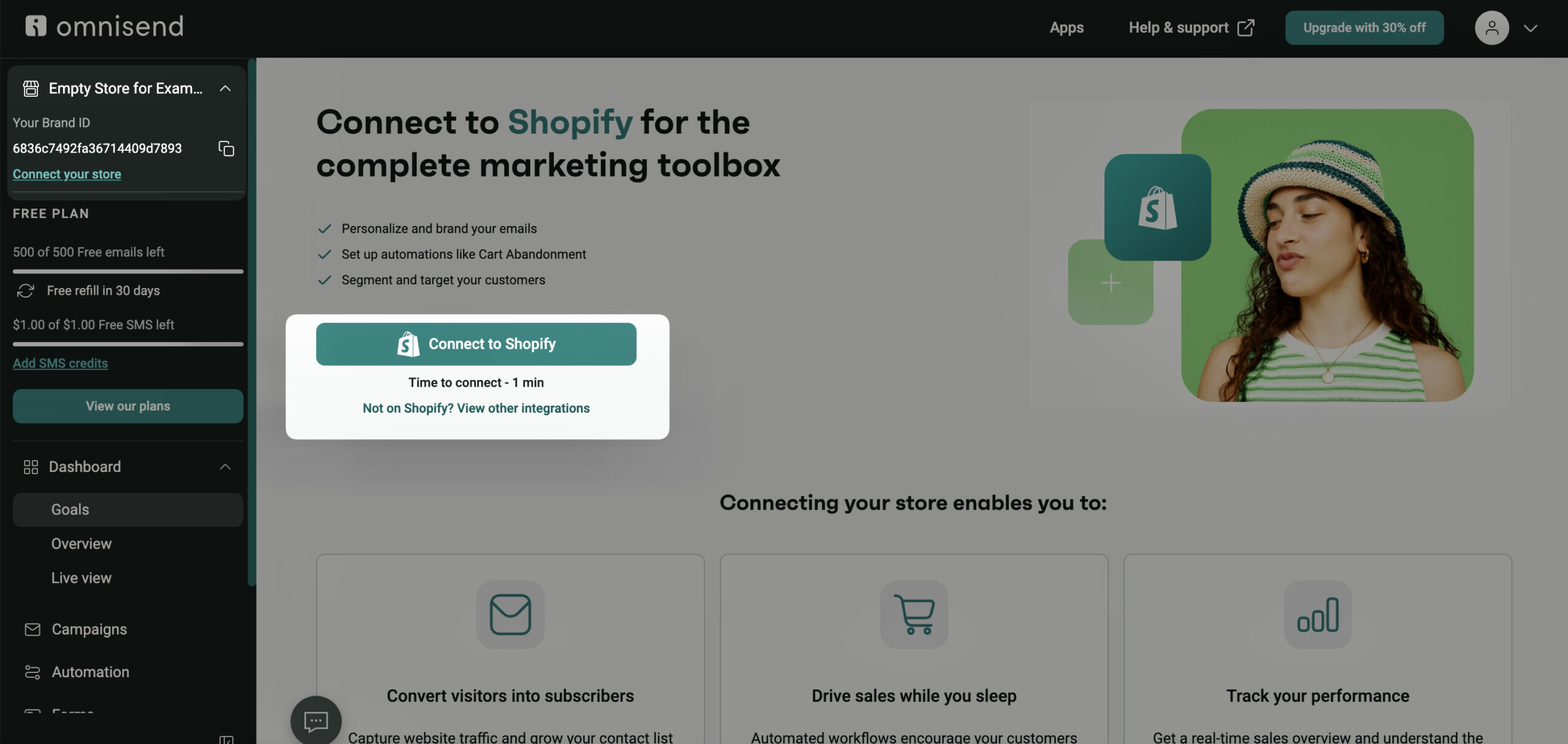
Connect your site to an email/SMS platform to start collecting and engaging contacts early. Tools like Omnisend allow you to integrate your store, syncing customer and order data so you can launch automated workflows immediately. Here’s how:
- Connect your store: Go to Omnisend > Connect your store > select your platform and follow the guided steps to link your site:
- Enable core workflows: Turn on essential automations like a welcome series, abandoned cart reminders, and post‑purchase flows under Automation:
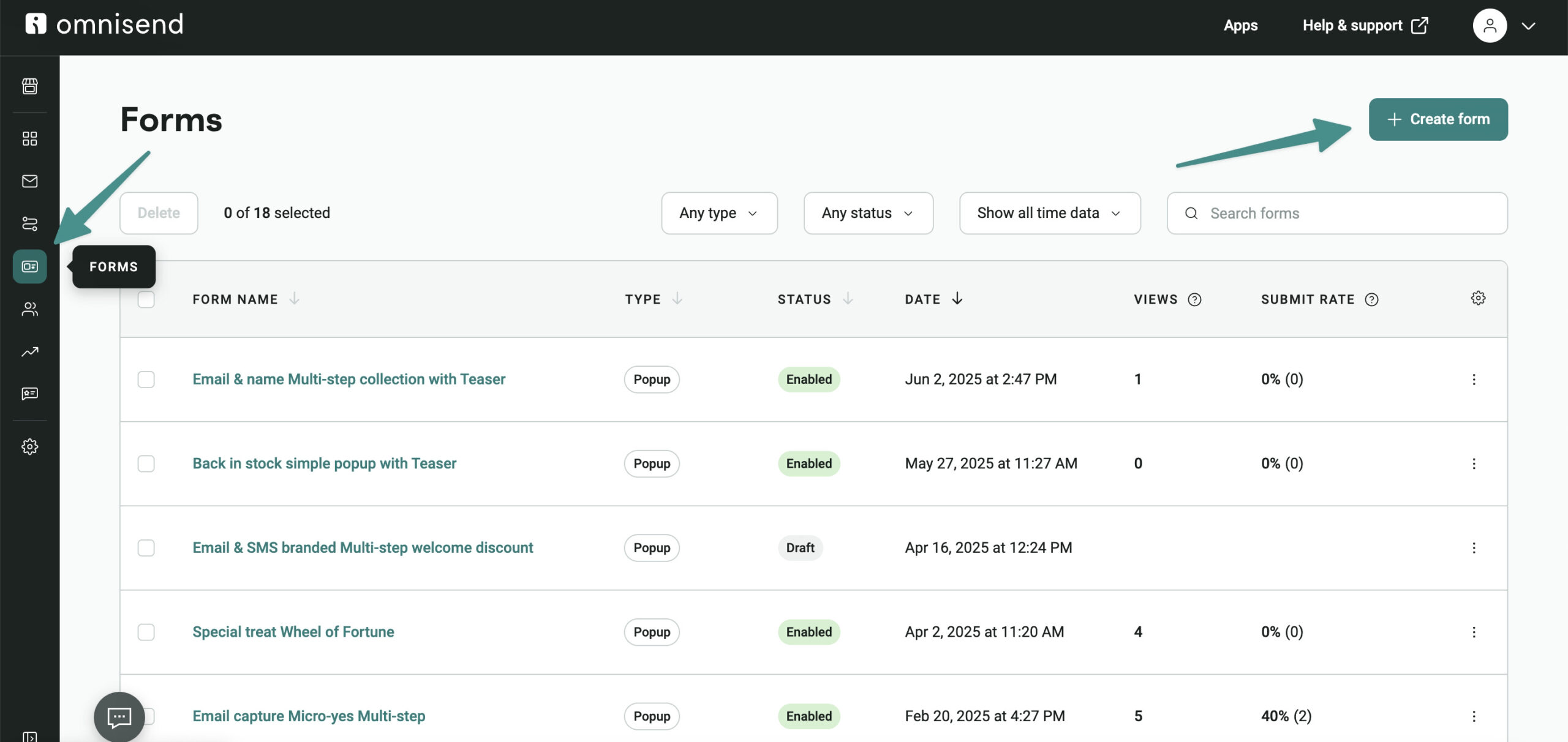
- Use signup forms and popups: Create and activate Omnisend Forms for popups, or embedded signup forms to capture email/SMS subscribers on your site:
Step 6: Launch your MVP and secure influencers from day one
Now it’s time to launch your minimum viable product (MVP) to gather feedback and validate your online business ideas. One way to do this is by building influencer relationships from day one.
For instance, micro-influencers are a core growth engine, especially in the early stages. Building your business on creator and ambassador relationships from day one creates built-in distribution, trust, and momentum that compounds over time.
Brands that start early grow alongside creators, while those that add influencer marketing later struggle to catch up and earn authentic advocacy.
If you want to know the secret to starting a profitable business, here’s a short video by Omnisend:
Step 7: Analyze metrics and iterate
Once your MVP is live, track KPIs like traffic, signups, conversions, revenue, and email/SMS engagement to refine your online business ideas quickly.
Why most fail: Ignoring audience retention
Even the best online business ideas fail without active engagement. Use retention strategies like loyalty/referral programs, deliver exceptional customer experiences, and send targeted email/SMS follow-ups.
Online business launch checklist timeline:
 | Rachel Riley’s success story Rachel Riley, a British children’s clothing brand, switched from Klaviyo to Omnisend to improve automation and customer engagement. By leveraging email, SMS, and push notifications, it saw a 77% YoY increase in BFCM sales, with Omnisend driving 48% of total store revenue and automations contributing 46% of that. Read the complete success story here. |
Final thoughts: Pick an online business idea and build your system
What makes a successful online business isn’t just the idea itself. It also involves creating and launching products, building an online presence, marketing consistently, building customer relationships, and analyzing results.
Focus on one idea and one audience. Commit at least 90 days to testing, learning, and iterating. Switching between concepts too early only slows progress.
Don’t forget to set up your first welcome series and follow-up campaigns so visitors and buyers can eventually become long-term, loyal customers.
Remember, the differentiator is your ability to take action and optimize over time. Even small, consistent steps compound into meaningful results. So, start today by narrowing down your online business ideas. Then, launch your business by signing up with Omnisend for growth from day one.
FAQ
What is the best online business to start in 2026?
The best online business ideas in 2026 are those that match your skills, availability, and budget. Service-based businesses, digital products, and niche content platforms perform well. Success will also depend on consistency and execution.
Which online business is easiest for beginners?
For beginners, service-based and content-focused online business ideas are easiest to start. Freelancing, social media management, digital products, and ecommerce let you test concepts quickly with low investment.
How much money do I need to start?
Costs vary. For example, you may need less for service-based online business ideas, while ecommerce and AI-powered services can cost more upfront.
Do I need technical skills to launch online business ideas?
Not necessarily. Many platforms like Shopify, Wix, and WordPress simplify website setup. For email and SMS campaigns, tools like Omnisend provide out-of-the-box workflows.
What online business ideas can I start from home?
You can start AI-based online business ideas, such as AI consulting, as well as dropshipping or print-on-demand from home.
You can also sell digital products like templates or offer services like social media management. Pretty much every idea we’ve listed in this article can be done from home.

TABLE OF CONTENTS
TABLE OF CONTENTS


Subscribe and don’t miss any updates!
No fluff, no spam, no corporate filler. Just a friendly letter, twice a month.