
 Omnisend AI


 OFFER
OFFER







Drive sales on autopilot with ecommerce-focused features
See FeaturesKey takeaways 
Ecommerce marketing campaigns are essential for engaging customers and driving sales, utilizing a mix of email, SMS, and other channels to guide the customer journey.
Successful campaigns in 2026 will focus on personalized, automation-driven, and measurable strategies to stand out in a competitive landscape.
Key components for effective marketing campaigns include clear objectives, audience segmentation, appropriate channel selection, and a well-crafted message that resonates with the target audience.
Continuous optimization through testing and data analysis is crucial for improving campaign performance and maximizing return on investment.
Reveal key takeaways
Marketing campaigns are planned activities designed to reach customers with targeted messages, engage customers, and drive sales. In ecommerce, these campaigns combine email, SMS, and other touchpoints to guide customers through their journey.
Ecommerce brands growing or expanding in 2026 will face intense competition and must invest in well-planned marketing campaigns to keep customers engaged. From the experts of Omnisend, the focus is on personalized, automation-first, omnichannel campaigns that are measurable and designed to deliver tangible ecommerce results.
In this guide, we’ll define marketing campaigns, outline the core campaign types used by ecommerce brands, and explain how to plan and optimize them for more substantial return on investment.
Run automated and measurable campaigns across email and SMS with Omnisend
Quick sign up | No credit card required
What are marketing campaigns?
A marketing campaign is a coordinated set of messages and actions delivered across many channels to achieve a specific goal within a defined period. In ecommerce, marketing campaigns are used to generate sales, acquire new customers, retain existing ones, or promote new products.
A campaign differs from always-on marketing, which operates continuously without a fixed end date. Marketing campaigns have a clear start and finish, a specific audience, and a measurable outcome.
They are designed to focus attention and resources on one goal at a time. Integrated marketing campaigns utilize multiple channels to ensure the message reaches customers wherever they are.
To plan and run a successful marketing campaign, you need several core components, which include:
- Objective: The goal of the campaign, such as acquisition, retention, or product launch
- Target audience/segment: The specific group of customers the campaign is designed to reach
- Channels: The platforms used to deliver messages, such as email, SMS, social media, or paid advertising
- Offer and creative concept: The promotion, deal, or message that motivates action
- Budget and timeline: Resources allocated and the campaign’s start and end dates
- Measurement plan: Metrics and methods for tracking success and ROI of the campaign
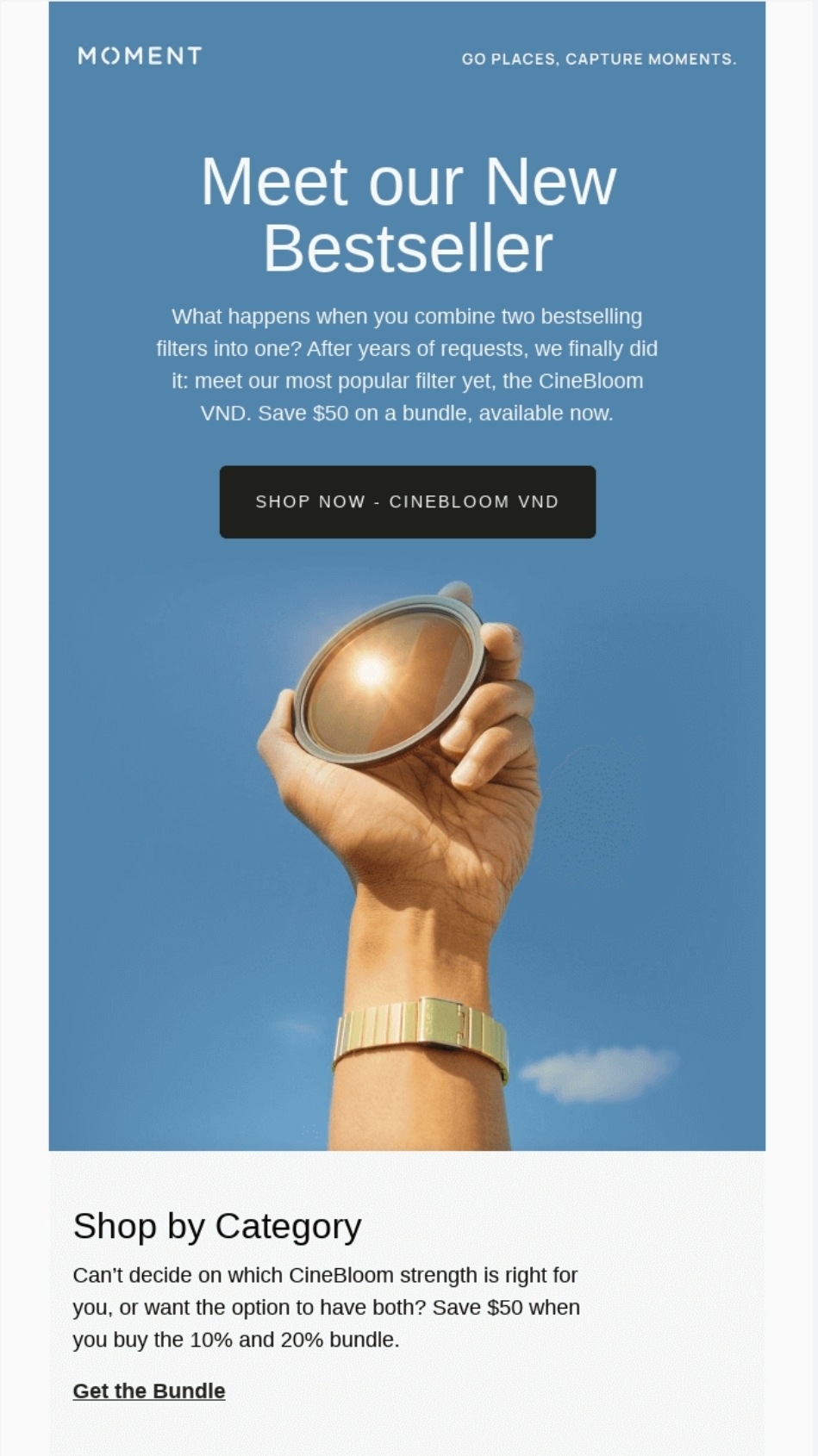
Here’s an example of a simple ecommerce product launch email campaign by Moment, announcing a new bestseller to an existing audience. It includes a clear product story, a limited-time bundle discount, and a CTA to drive purchases.
Main types of marketing campaigns
For ecommerce brands, choosing the right campaign type depends on how best it matches the customer journey. Below are the prominent examples of marketing campaigns businesses can implement.
Product launch campaigns
A product launch campaign is used when introducing a new product or collection. It helps create brand or product awareness and drive early sales.
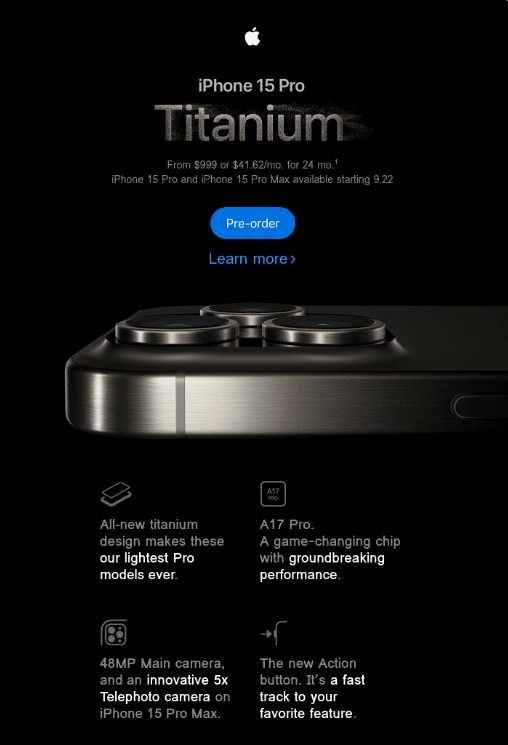
A well-known example is Apple’s product launch emails and website takeovers for new iPhone releases:
Promotional and sales campaigns
These are marketing campaigns used to increase sales with discounts or limited-time offers. They are common during holidays, seasonal events, or special sales periods.
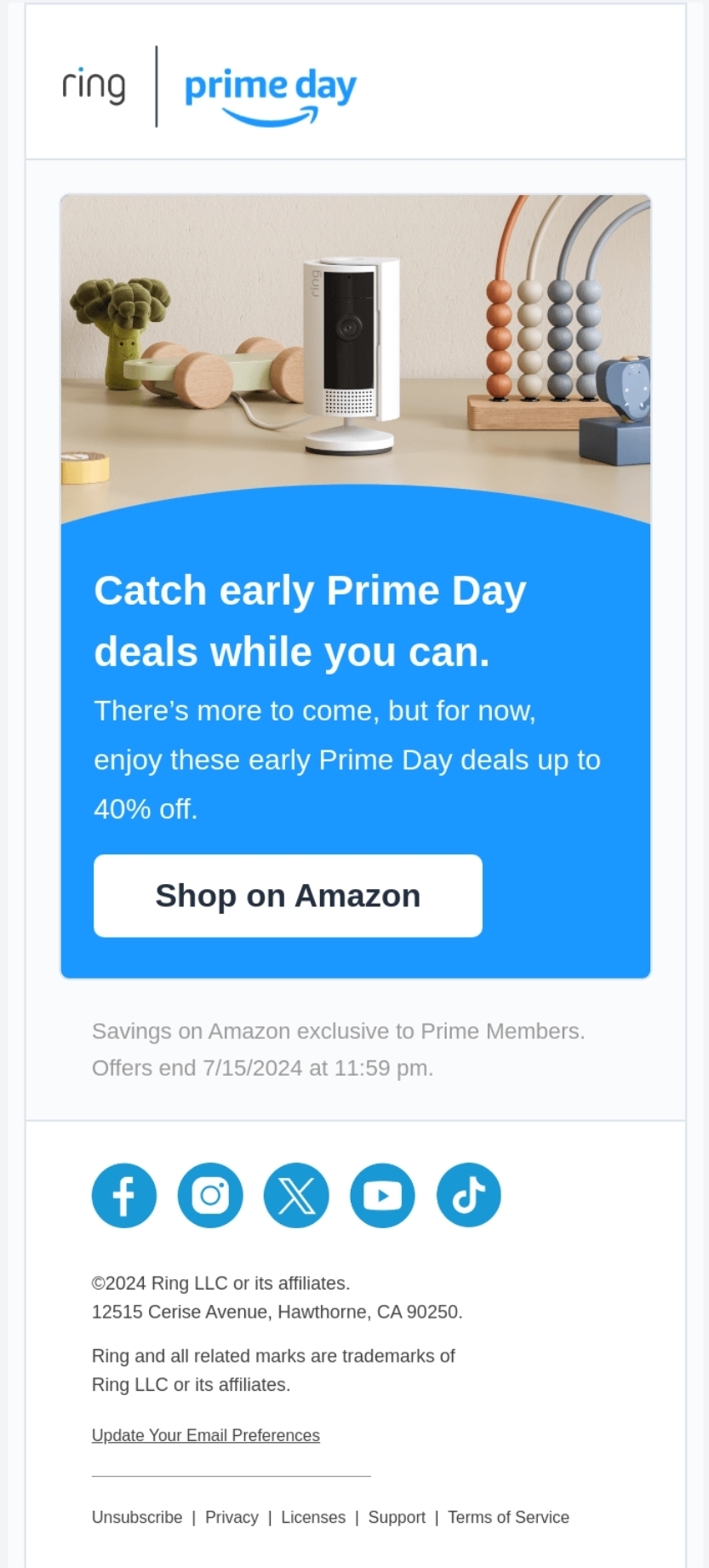
For instance, Ring, a home security ecommerce brand, sends a Prime Day promotional email to encourage shoppers to act on early access discounts of up to 40% off:
Customer acquisition campaigns
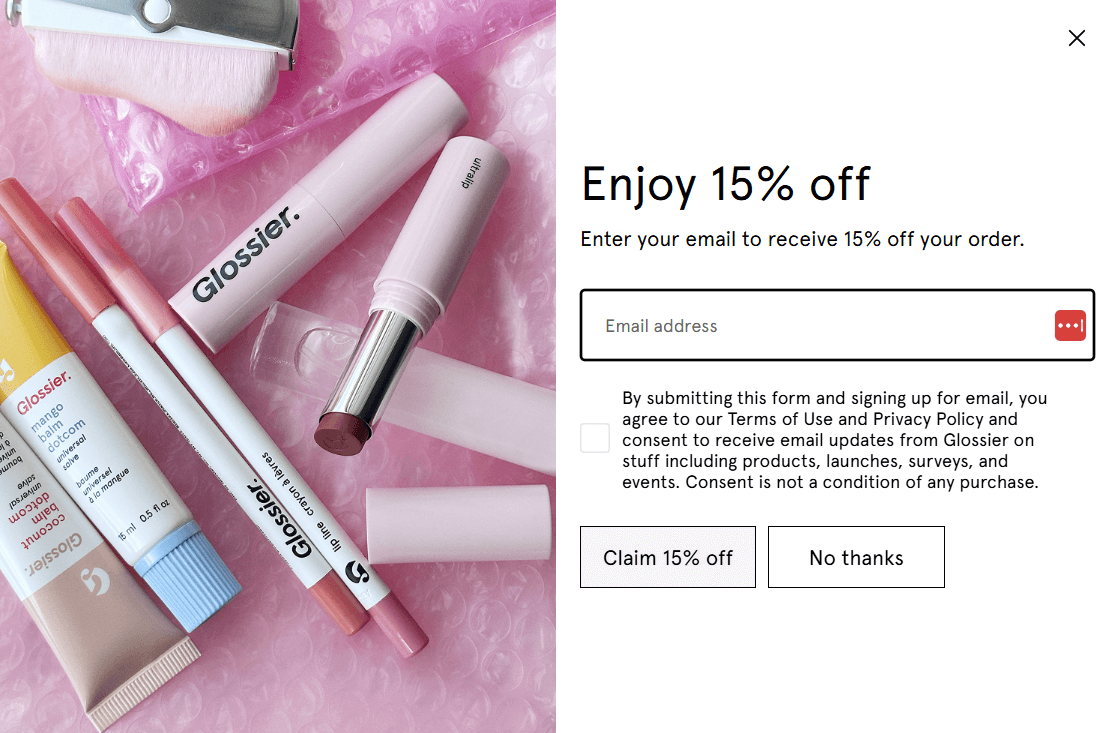
Acquisition campaigns are used to convert visitors into first-time customers. They focus on clearly communicating brand value while offering incentives that reduce friction around an initial purchase.
Glossier’s welcome discount campaign is a great example. New visitors are greeted with a popup offering 15% off their first order:
Customer retention campaigns
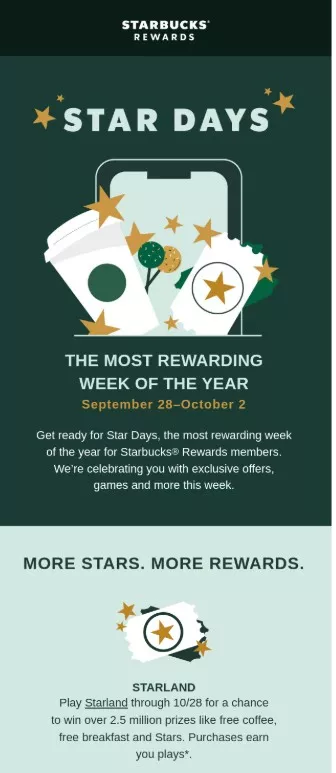
Retention campaigns are designed to encourage existing customers to make repeat purchases and foster loyalty. They are usually more personalized and based on past behavior.
A good example is Starbucks Rewards email campaigns that inform members about new offers to encourage repeat purchases:
Re-engagement or winback campaigns
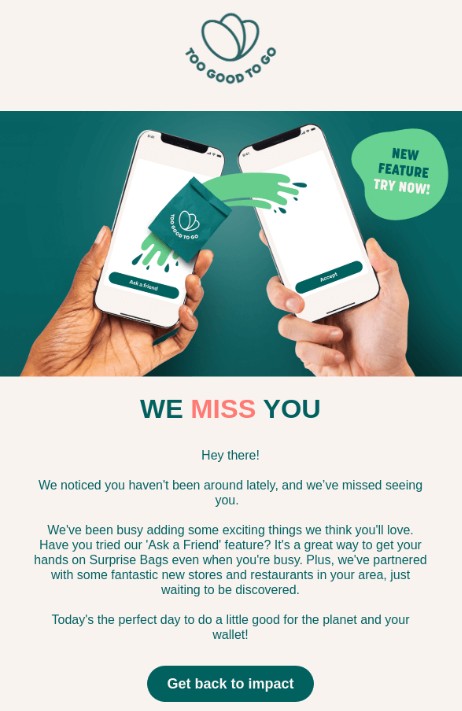
These campaigns target customers who have become inactive, sending them reminders or special offers. The goal is to bring them back before they churn.
For example, Too Good to Go sends winback emails with updates on new features and products to get the attention of inactive customers:
“The right campaign at the right lifecycle stage turns interest into action. Align your campaigns to where customers are in the cycle.” — Evaldas Mockus, VP of Marketing, Omnisend
How to plan a marketing campaign that works in 2026
Planning a successful marketing campaign in 2026 requires a structured approach. Here’s a practical step-by-step framework to plan campaigns that deliver real results.
Step 1: Define goals, KPIs, and budget
Before creating a campaign, it’s essential to be clear about what you want to achieve. Your goals should tie directly to measurable business outcomes. These can include revenue growth, repeat purchase rate, average order value (AOV), or customer lifetime value (CLV).
To make it easier to track progress, you can use the SMART (specific, measurable, achievable, relevant, and time-bound) goal framework to define your goals:
For example, you might set a goal to increase revenue per email recipient by 15% during the Black Friday period. Or you can plan to grow your SMS subscriber list by 20% before a holiday campaign.
Also, allocate your campaign budget across channels and creative assets. This will help ensure that you execute campaigns without overspending.
Step 2: Understand and segment your audience
Segmentation is an essential step for running high-performing marketing campaigns. It involves grouping customers based on shared characteristics to deliver more relevant messaging.
Some of the main types of segmentation you can use for marketing campaigns include:
- Behavioral segmentation: You can categorize customers based on their interactions with your brand. This includes browsing patterns, purchase history, and engagement with past campaigns.
- Demographic segmentation: Target customers based on characteristics like age, gender, location, or income. Demographic insights enable the personalization of product recommendations and targeted promotional offers.
- Lifecycle stage segmentation: Identify where a customer is in their journey with your brand and tailor your marketing message accordingly. Common stages include new subscribers, first-time buyers, repeat customers, and inactive customers.
Once segments are defined, you can automate targeted campaigns at scale to drive engagement and sales. Omnisend data shows that one in three people who click on an automated message go on to make a purchase.
Step 3: Choose the right campaign type and channels
As explained earlier, different types of marketing campaigns include product launches, promotional sales, customer acquisition, retention, and re-engagement campaigns.
To decide which type to run, consider your objective and where your audience is in the lifecycle. Then, choose the marketing channels that align with the audience and purpose.
Email and SMS are core channels for ecommerce, but social media platforms like Instagram and TikTok, or paid campaigns like PPC, can amplify reach.
Step 4: Craft the message, offer, and creative
Your campaign messages should have a clear value proposition. You can include social proof, such as customer reviews or testimonials, to help establish trust.
Additionally, align your messages with your brand story and incorporate elements of urgency or scarcity, such as time-bound offers, to drive action.
It’s also essential to tailor your message to each channel. Short and punchy text is ideal for SMS, while rich visuals and storytelling are more effective for email and social media posts.
Step 5: Map automation workflows and timing
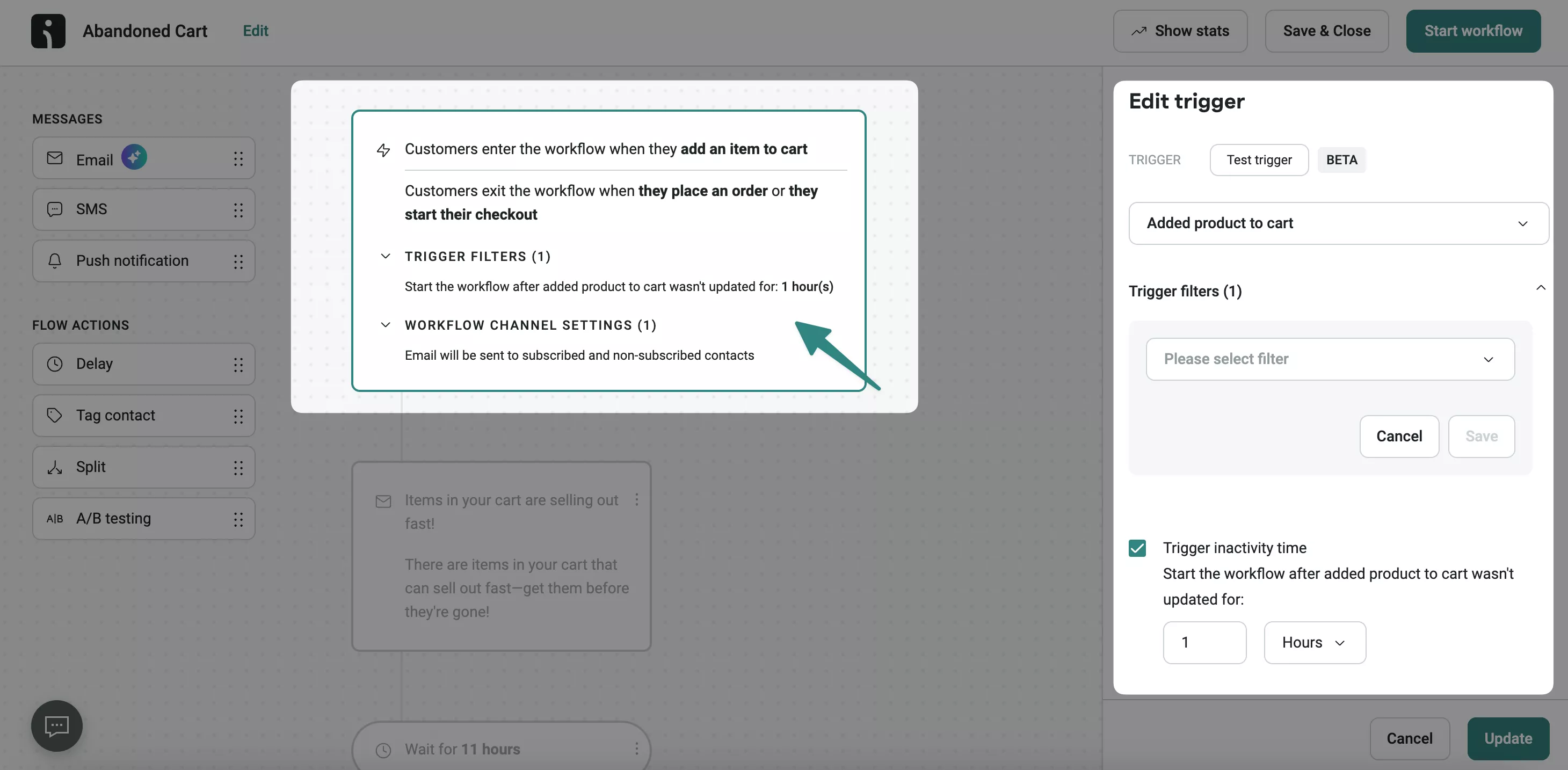
Once you’ve crafted your message, plan workflows that trigger notifications based on customer behavior or lifecycle stage. Typical examples include welcome series for new subscribers, cart abandonment reminders, and product recommendations based on past purchases.
For instance, you can define triggers, sequences, and timing for SMS and email automation workflows with Omnisend:
Step 6: Prepare tracking, testing, and launch checklist
Before launching any campaign, you can test the features to measure success and prevent errors.
A standard checklist to follow is to add UTMs to all links and define goals and key events in your analytics platform. Also, perform test sends for email and SMS and double-check links, images, and any dynamic content. Verify that automation triggers correctly and that the timing aligns with your strategy.
Launching with this checklist in place will help ensure ongoing optimization and ROI measurement.
How to calculate ROI on marketing campaigns
ROI is the percentage of profit a campaign generated relative to its cost. A simple formula is:
ROI = (Revenue from campaign – campaign cost) ÷ campaign cost × 100
Revenue is the total income generated from a specific marketing campaign. The campaign cost refers to the total amount spent on planning, creating, and executing the campaign.
Campaign costs usually cover:
- Creative production: Costs for designing graphics, writing copy, and producing videos for the campaign
- Paid ads or influencer fees: Money spent on social media ads, search ads, or influencer partnerships
- Email and SMS platform fees: Subscription or usage costs for the tools that send your messages
- Staff time or agency costs: Cost for your team or external agencies to plan, create, and execute the campaign
With an idea of these costs, you can use Omnisend’s Email ROI Calculator to estimate revenue impact before launching campaigns:
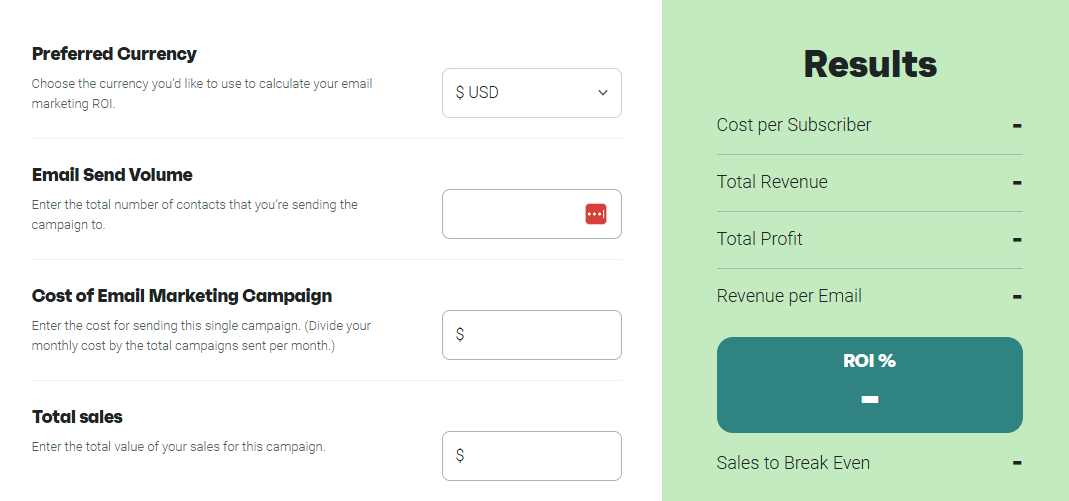
There are several ways to improve ROI and get the most value from your campaigns. Some of the tips you can use are:
- Better targeting: Segment your audience by behavior, lifecycle stage, and engagement to increase relevance
- Test offers and messaging: Experiment with different discounts, subject lines, and CTAs
- Use automation: Automated campaigns like welcome series, cart recovery, or product recommendations often outperform one-off messages
- Focus on lifecycle campaigns: Tailor messages for new, active, and lapsed customers to maximize value
- Prune unengaged contacts: Remove inactive subscribers to improve deliverability and engagement rates
By calculating ROI and monitoring results per channel, ecommerce brands can allocate budget where it delivers the most growth. For instance, email marketing continues to provide a high ROI, and Omnisend users generate $79 for every $1 spent on email campaigns.
“Looking at ROI as one big number is like judging a movie by its trailer, you miss the standout scenes. Tracking each channel shows exactly where your growth is coming from.” — Evaldas Mockus, VP of Marketing, Omnisend
How to optimize marketing campaigns over time
Below is a simple framework you can adopt to optimize your marketing campaigns systematically.
The CLEAR campaign optimization framework
This framework provides a step-by-step approach for diagnosing performance and making data-driven improvements. Here’s an overview of what the CLEAR framework entails:
- Clarify goals and baselines: First, set clear goals and record baseline performance before you start your campaign
- Look at your data (diagnose performance): Review key campaign metrics like open rates, click rates, conversion rates, and others to understand how your campaign is performing
- Experiment with targeted tests: Run tests with one variable at a time to see what changes improve performance
- Adjust based on insights: Once you see which test variant performs better, apply the winning version and make adjustments
- Repeat regularly: Revisit your campaigns, test new ideas, and refine based on results
What to test first (and how)
When optimizing a campaign, focus on elements with the most significant impact on engagement and conversions, such as:
- Subject lines: Test different wording to improve open rates
- Send time: Try sending at different times of day or days of the week
- Offer structure: Compare percentage discounts, dollar-off deals, or free shipping offers
- Audience segment: Test messages on different customer segments
- Creative variations: Try different images or layout styles
- Channel mix: Compare single-channel (email only) versus combined email + SMS
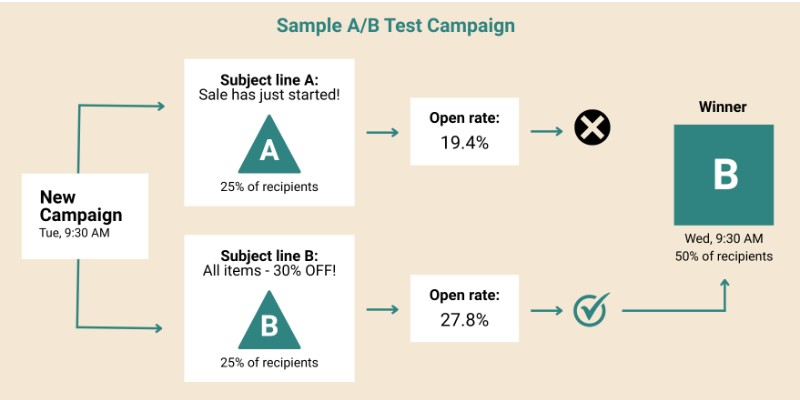
With Omnisend’s A/B testing tool, you can test subject lines, entire email variations, or even sender names and compare results:
Diagnosing underperforming campaigns
Use the checklist below to diagnose why a campaign may not be performing well quickly:
| Symptom | Likely cause | Next test |
|---|---|---|
| Low open rate | Subject line is weak, or timing is off | Test a new subject line or send time |
| High opens, low clicks | The message or creative is not compelling | Test different copies or images |
| High clicks, low conversions | The landing page or offer has issues | Test offer structure or landing page design |
| High engagement, low revenue | Audience targeting may be too broad | Test tighter segmentation |
Recent innovative marketing campaigns: 2025 examples
Below are recent examples of innovative marketing campaigns from 2025. They demonstrate how ecommerce and DTC brands utilize creativity, data, and automation to achieve results.
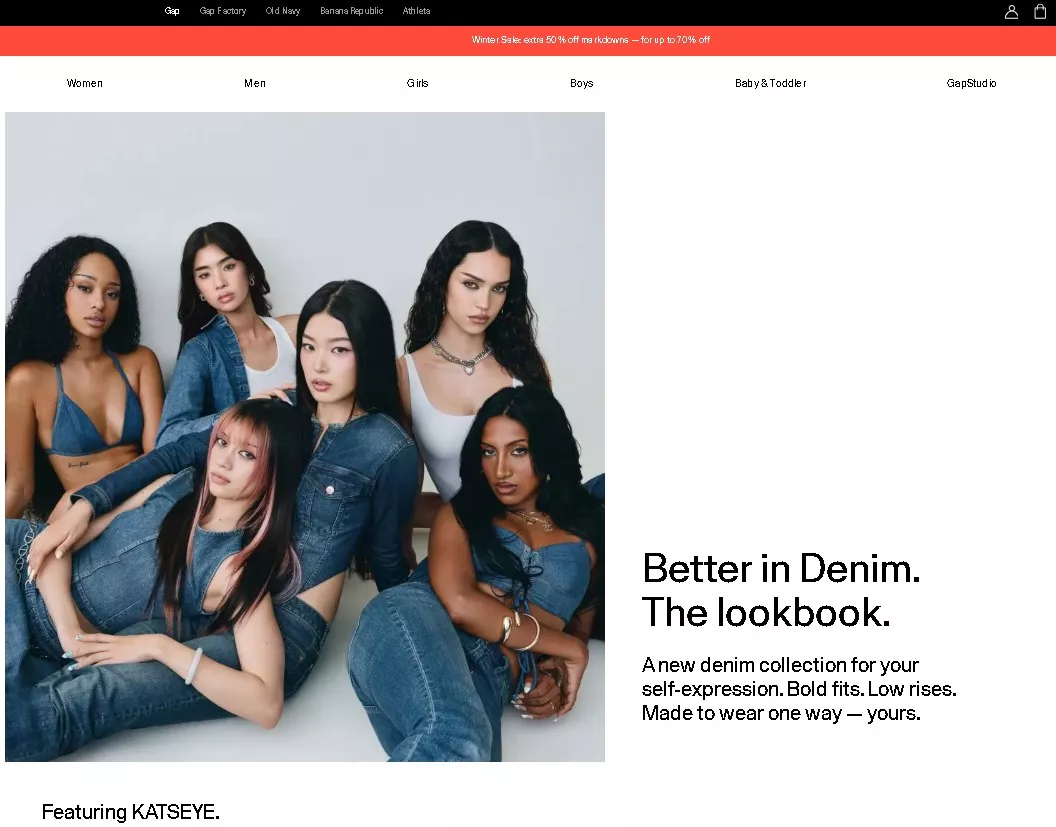
Example 1 – Gap ‘Better in Denim’ campaign
Industry: Fashion / Retail
Campaign objective and type: Increase fall denim sales using relevant storytelling.
Channels used
- TV/video ads
- Instagram Reels/TikTok/Youtube
What made it innovative: Gap teamed with Gen Z dance group Katseye and created a modern choreography that drove massive attention.
Measurable results: Over 8 billion impressions and 500 million views in the first days after launch.
Key takeaway
Pair trend-driven creative with segmented email and SMS campaigns to scale reach using automation tools like Omnisend.
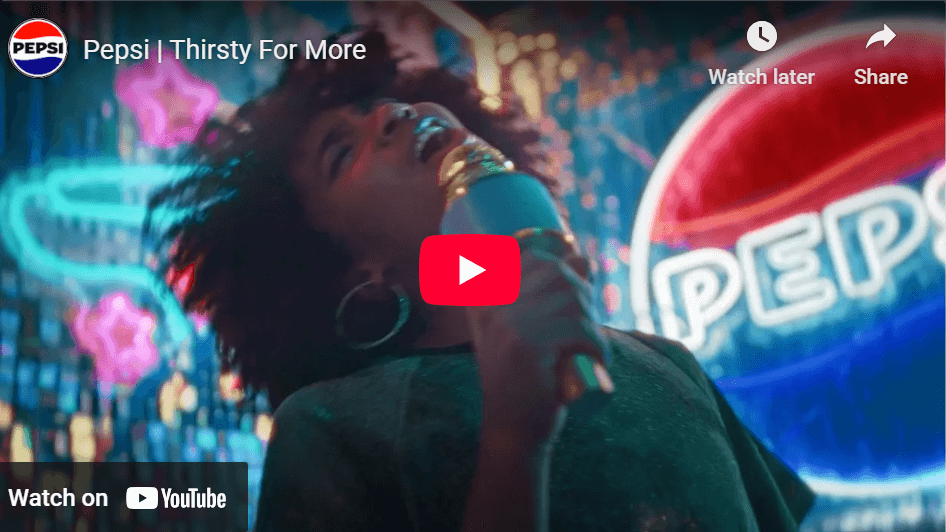
Example 2 – Pepsi ‘Thirsty For More’ campaign
Industry: Beverages / FMCG
Campaign objective and type: Strengthen emotional brand connection with Gen Z through storytelling.
Channels used:
- Instagram and TikTok
- YouTube video content
What made it innovative: Pepsi’s global “Thirsty For More” film starring David Beckham focused on celebrating everyday joy with the tagline “If you love it, it’s never a waste.” It blended social‑first content with traditional ads.
Key takeaway
Launch omnichannel campaigns to deliver consistent emotional storytelling across email, SMS, and social touchpoints.
Example 3 – Zara ‘50th Anniversary Portrait Series’ campaign
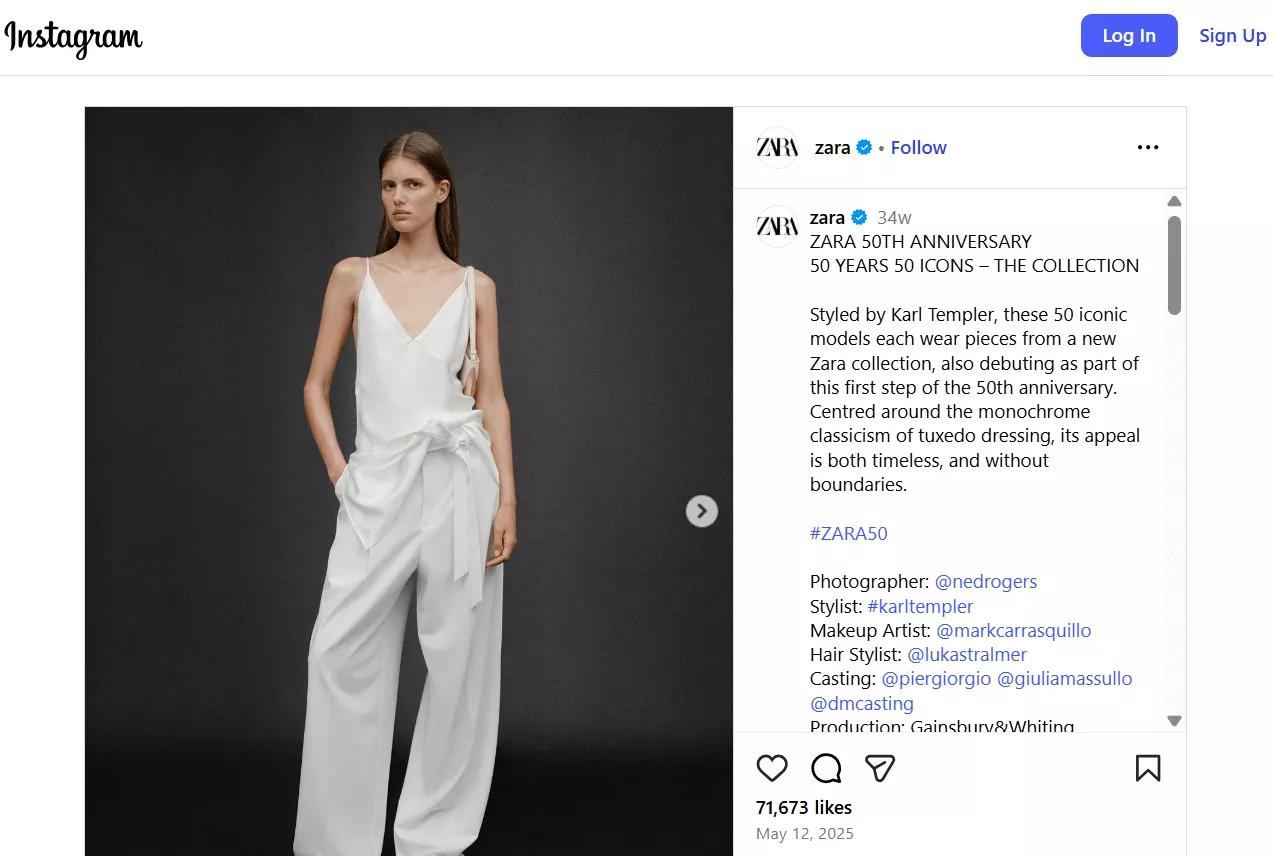
Industry: Fashion / Retail
Campaign objective and type: Celebrate brand heritage while driving commerce.
Channels used
- YouTube docuseries
- Editorial publications
What made it innovative: Zara reunited iconic ’90s supermodels in portraits and paired them with a behind‑the‑lens docuseries that drove social listening and product interest.
Key takeaway
Reinforce brand storytelling with automated follow-up messages triggered by customer engagement.
Example 4 – To’ak Chocolate Welcome campaign
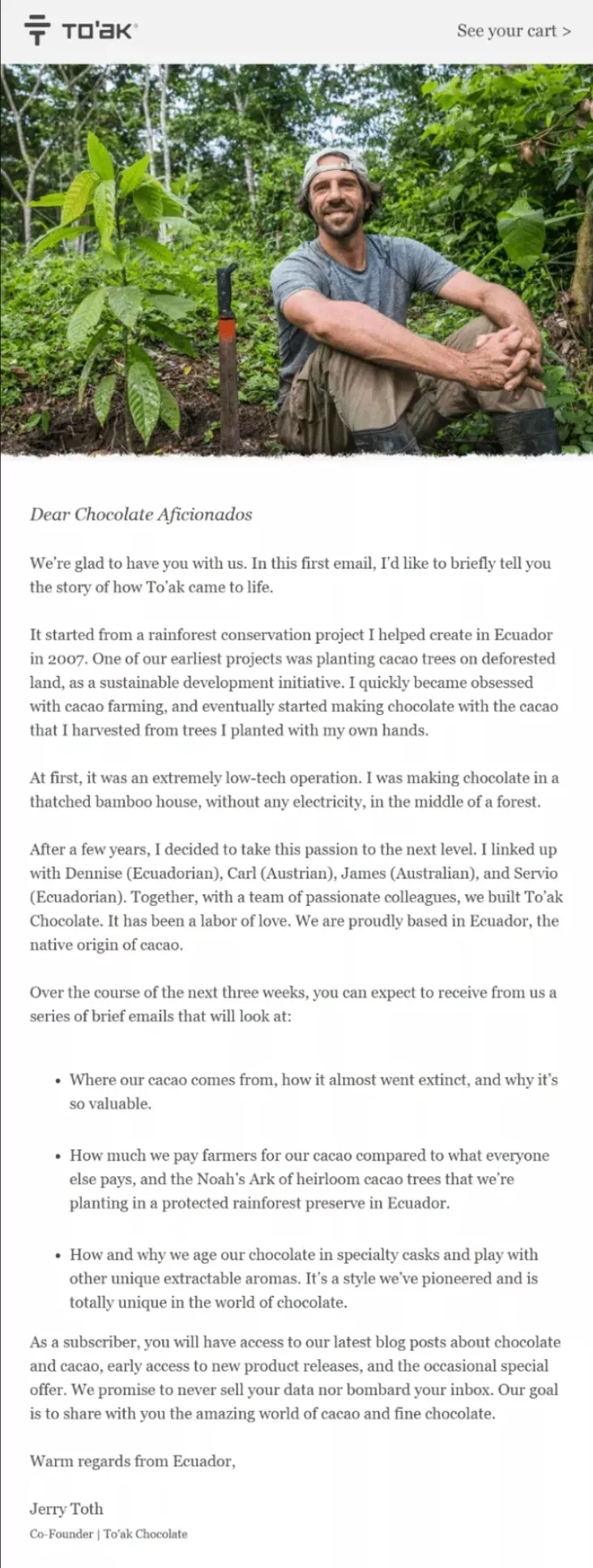
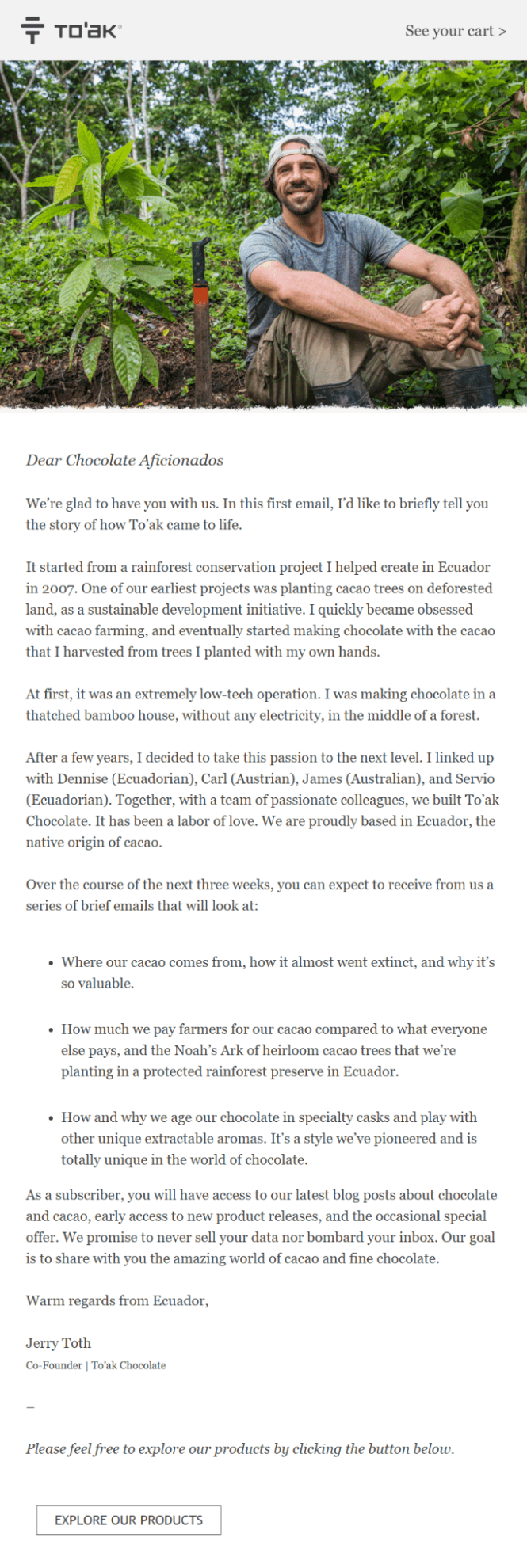
Industry: DTC ecommerce luxury food
Campaign objective and type: Build brand affinity and drive first-time purchases.
Channels used
- Automated email series
What made it innovative: To’ak Chocolate used its welcome email to tell a personal brand story. This helped subscribers connect with the brand and gain a deeper understanding of the value behind its luxury pricing.
Measurable results: By prioritizing storytelling and automation, To’ak Chocolate increased sales and now generates 39% of its email marketing revenue from automated messages.
Key takeaway
Utilize an automated welcome series on Omnisend to share your brand’s story and values, engaging new subscribers.
Example 5 – Blank Street ‘Coffee Spring 2025’ campaign
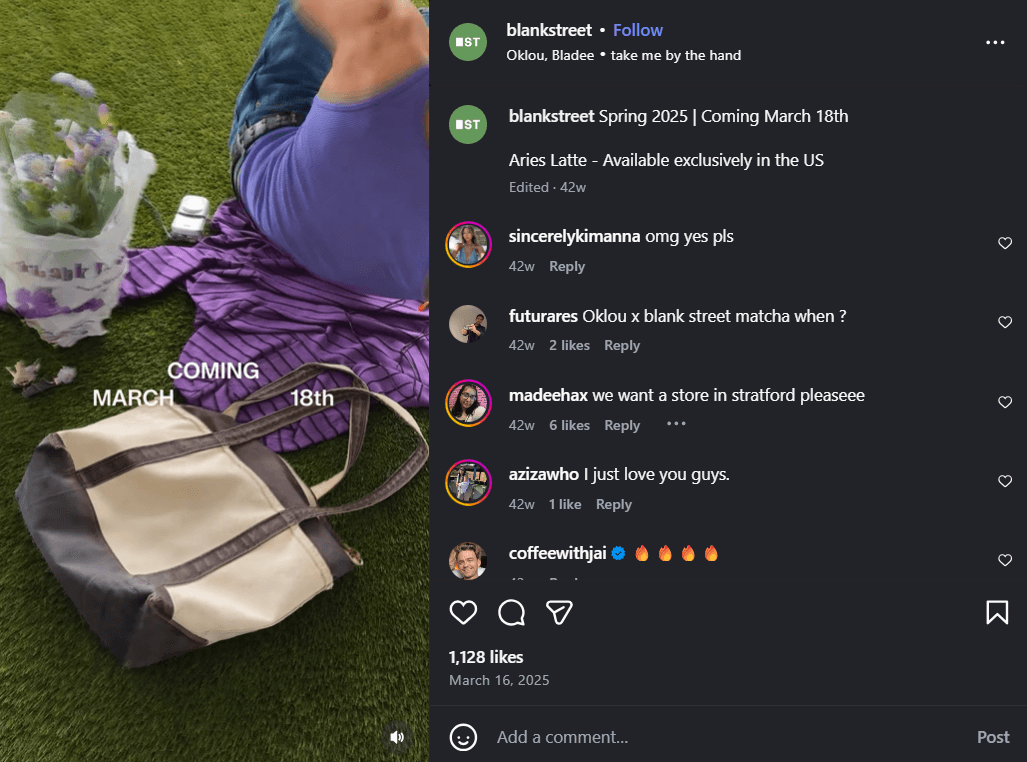
Industry: Food and Beverage
Campaign objective and type: Promote the spring seasonal drink lineup and create shareable brand moments.
Channels used
- Instagram Reels
- In‑store event activations
What made it innovative: The Spring 2025 campaign featured new seasonal beverages, including Strawberry Shortcake Matcha and Wildflower Latte. The campaign utilized bold, picnic-inspired visuals and videos that effectively connected the product to a joyful springtime vibe.
Key takeaway
Support seasonal product launches with coordinated omnichannel campaigns to maximize visibility.
Example 6 – Levi’s ‘Reimagine with Beyoncé’ campaign
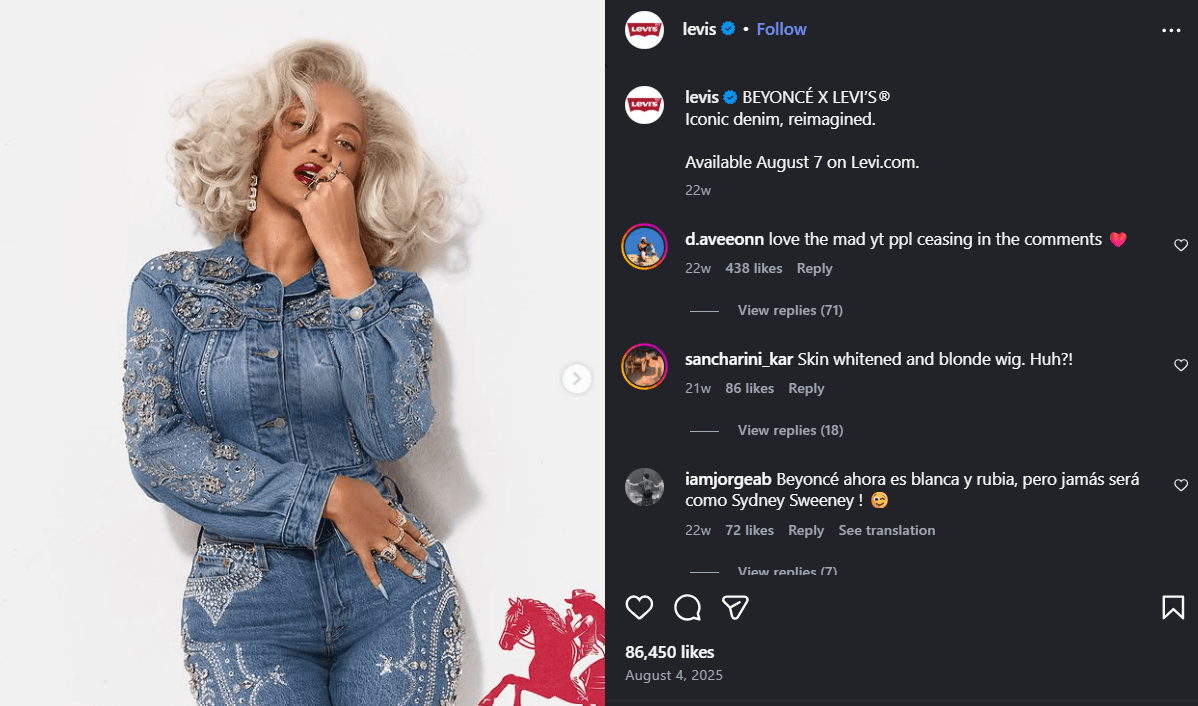
Industry: Apparel
Campaign objective and type: Reinforce brand heritage and drive denim sales.
Channels used
- YouTube
- Fashion press
What made it innovative: Levi’s starred Beyoncé in a creative project that blended cinematic visuals with fashion storytelling. The campaign celebrated strength and elegance and promoted the denim brand as a cultural expression.
Key takeaway
Convert brand buzz into sales using automated campaign workflows.
Example 7 – Doritos ‘A Spicy, but Not Too Spicy Plumber’ campaign
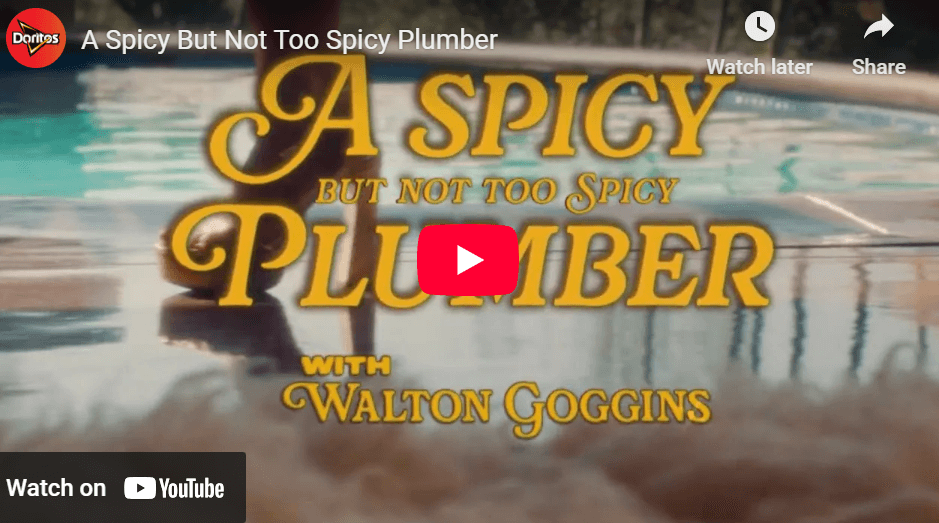
Industry: Snacks / Consumer packaged goods
Campaign objective and type: Create viral content to promote its Golden chips.
Channels used
- YouTube
What made it innovative: Doritos produced a humorous, long-format video that played well on social media platforms, encouraging widespread sharing.
Key takeaway
Retarget highly engaged viewers with automated email or SMS follow-ups on Omnisend to amplify the campaign’s impact.
Example 8 – Nike ‘So Win’ campaign
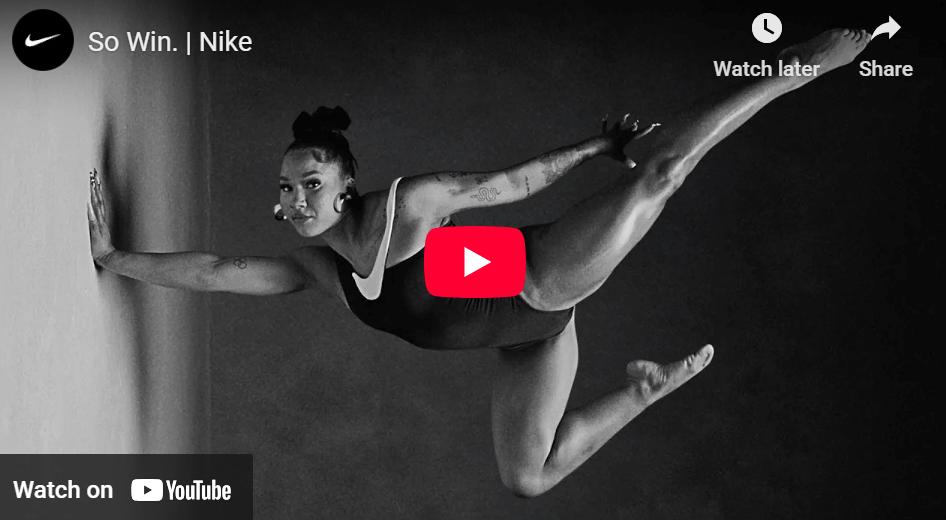
Industry: Sportswear and DTC ecommerce
Campaign objective and type: Reintroduce Nike during the Super Bowl with an inspirational brand anthem.
Channels used
- Broadcast TV
- Social media platforms, including Instagram, YouTube, X
What made it innovative: This is Nike’s first Super Bowl campaign in nearly 30 years, and it highlighted top female athletes and motivational storytelling. The campaign blended culture, sport, and empowerment, making it relevant across sports and lifestyle audiences.
Key takeaway
Use automation to deliver personalized product recommendations during major brand launch moments.
Example 9 – Jacquemus ‘Clichés’ campaign
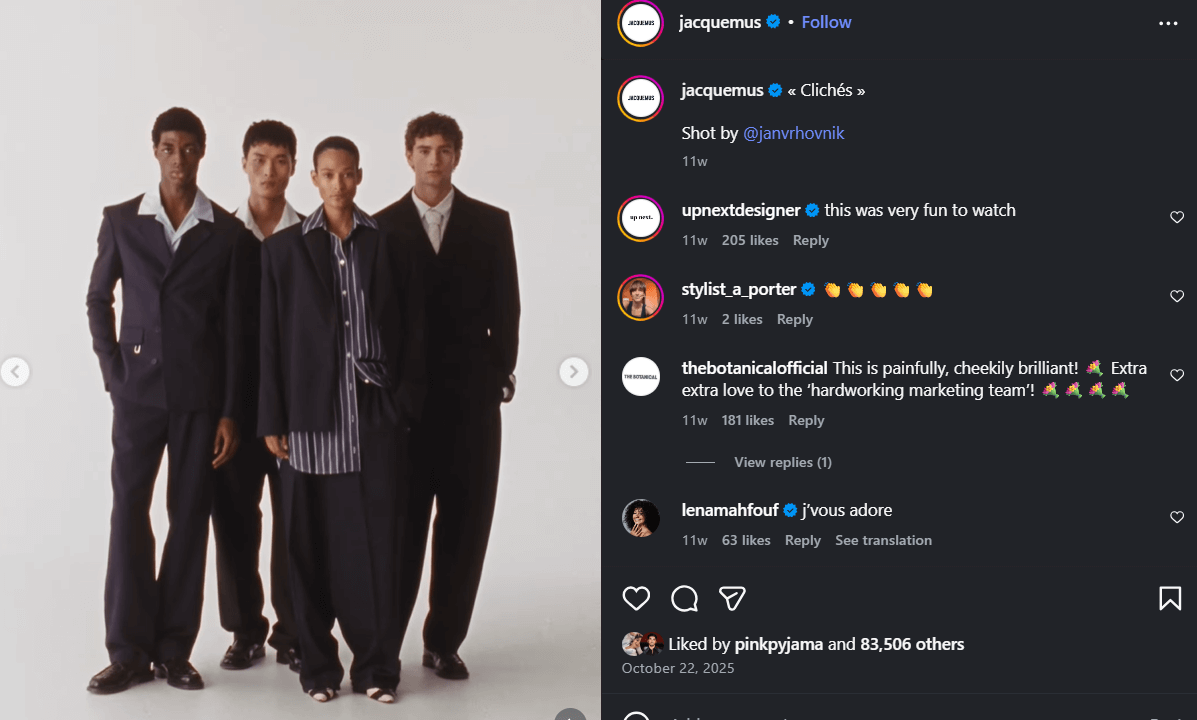
Industry: Fashion / Luxury apparel
Campaign objective and type: Reframe brand perceptions and increase engagement with self-aware, creative content.
Channels used
- Fashion editorial features
What made it innovative: Jacquemus embraced popular stereotypes about the brand and turned them into a creative concept. The campaign blended humor with aspirational visuals to engage fashion enthusiasts and attract new audiences on social media platforms.
Key takeaway
Utilize audience segmentation to craft targeted campaign messages that align with customer preferences and behaviors.
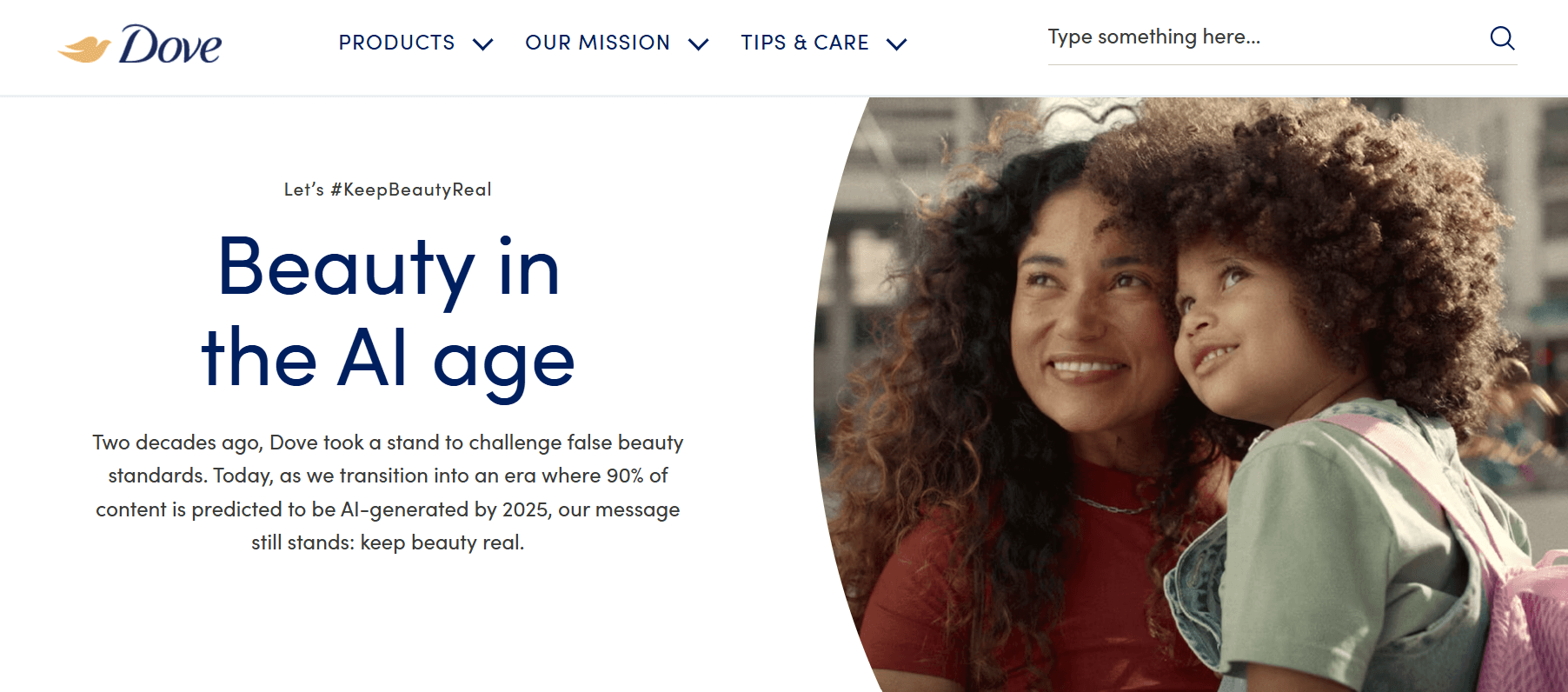
Example 10 – Dove ‘Keep Beauty Real’ campaign
Industry: Personal care/Beauty
Campaign objective and type: Spark a conversation about beauty standards with powerful, message‑driven advertising.
Channels used
- Social media platforms like YouTube, Instagram
- Brand website
What made it innovative: The campaign used educational content and real imagery to challenge AI-driven beauty standards and state a strong brand value message.
Key takeaway
Nurture purpose-driven engagement with automated, value-aligned messaging across email and SMS.
Innovative marketing campaign trends for 2026
Several emerging trends will shape how ecommerce brands engage customers and optimize campaign performance in 2026.
AI-powered hyper-personalization and prediction
AI is transforming how ecommerce brands reach and engage customers. With AI, you can display product recommendations, predict the best send time, and show dynamic content.
For instance, Omnisend’s AI-based dynamic targeting feature lets users deliver hyper-personalized campaigns at scale.
- Why it matters for ecommerce: Personalized campaigns capture attention, encourage repeat purchases, and drive revenue growth
- How to implement: Use AI to suggest products in emails or SMS, and schedule messages based on predicted engagement times
Privacy-first and zero-party data strategies
As privacy regulations increase and third-party cookies are phased out, ecommerce brands need new ways to collect customer data. Zero-party data, a recent trend, is information that customers willingly share, such as their preferences and interests.
- Why it matters for ecommerce: It ensures compliance and provides accurate insights for more targeted campaigns
- How to implement: Use signup forms, surveys, and preference settings to gather data directly from customers
Interactive and conversational email and SMS
Emails and SMS now include elements that enable customers to take action directly within their inbox. AMP-like emails allow in-email interactions as well as conversational SMS flows.
- Why it matters for ecommerce: It increases engagement and the chances of conversion by making campaigns more interactive
- How to implement: Add polls, carousels, or interactive buttons in emails and set up conversational SMS sequences that respond to customer choices
Sustainability and purpose-led campaigns
Sustainability and values-based messaging are now used to foster loyalty and advocacy among customers.
- Why it matters for ecommerce: It builds emotional connection and encourages repeat purchases from ethically-minded customers
- How to implement: Highlight eco-friendly practices, charitable partnerships, or product impact stories in campaigns
Community and creator-led ecommerce campaigns
Many ecommerce brands are creating platforms where customers can connect and build relationships. These include brand communities on Discord or Slack groups, and creator partnerships on platforms like TikTok and Instagram.
- Why it matters for ecommerce: Brands reach new audiences in a more authentic way
- How to implement: Launch a private community, encourage customers to share content, and partner with creators who align with your brand values
Real-time triggers and micro-moment marketing
Campaigns that respond to customer behavior, such as browsing, cart activity, or purchase history, are effective. With marketing automation platforms like Omnisend, brands can react in real-time to customer actions.
- Why it matters for ecommerce: It increases relevance and customer satisfaction
- How to implement: Set up triggers and responses for campaigns like cart abandonment, browse abandonment, or product recommendations
These trends indicate that the future of marketing campaigns will be highly personalized and purpose-driven.
“Brands that embrace real-time personalization and interactive experiences will have a competitive edge in 2026” — Evaldas Mockus, VP of Marketing, Omnisend
Tools and tech stack for modern marketing campaigns
Running modern marketing campaigns requires the right mix of tools to plan, launch, and measure results.
Essential tools for ecommerce marketing campaigns
Most ecommerce teams rely on a core set of tools to manage campaigns across channels, including:
- An ecommerce platform, such as Shopify or WooCommerce, to manage products, orders, and customer data
- Email and SMS marketing automation tools like Omnisend for automated omnichannel workflows, and personalized segmentation to engage subscribers
- Analytics and attribution tools to track campaign performance metrics
- Creative and design tools to build visual assets
- Social and PPC management tools to launch and optimize paid and organic campaigns across platforms
Why Omnisend is built for ecommerce campaigns
Omnisend has an intuitive campaign builder with ecommerce-focused features like product feeds and dynamic recommendations:
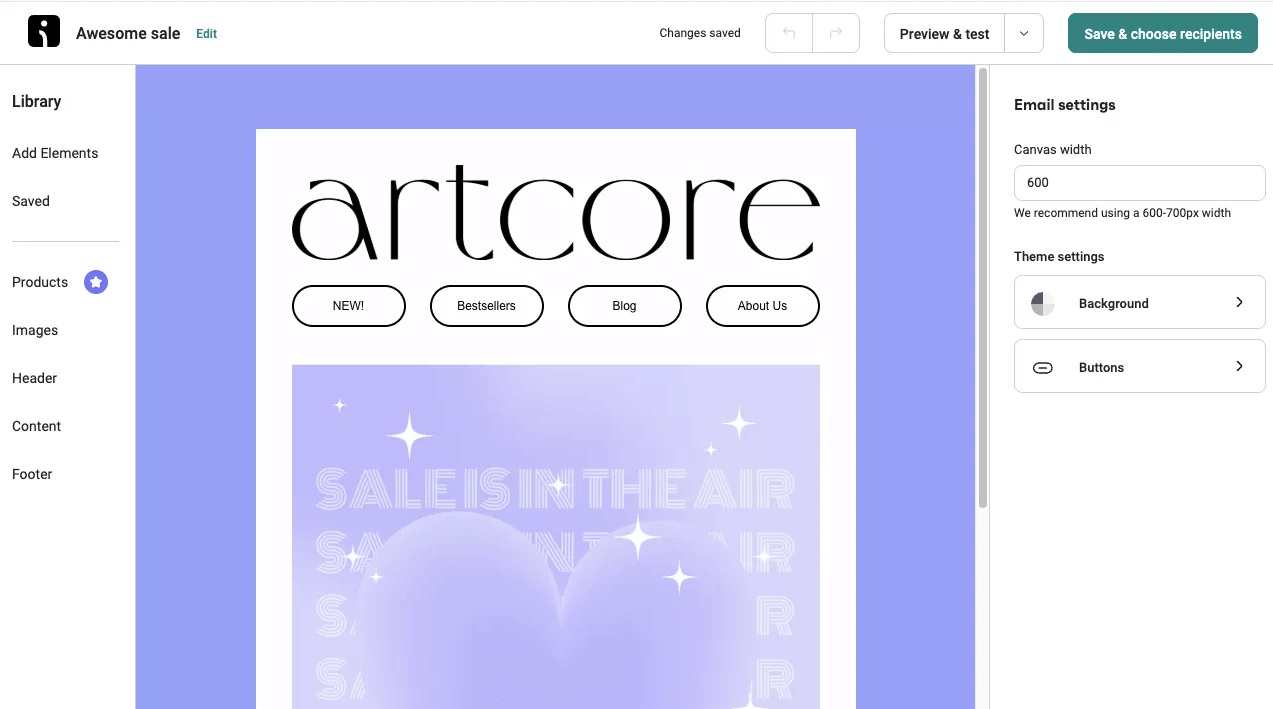
It integrates with major ecommerce platforms and supports global SMS. Brands also see strong ROI, with up to $68 back for every $1 spent for its US clients. All plans include expert 24/7 customer support, including the free plan.
A customer review on G2 highlights the ease of setting up and automating campaigns on Omnisend.
Use Omnisend to launch more brilliant ecommerce marketing campaigns that drive results
Quick sign up | No credit card required
Common marketing campaign mistakes to avoid
Here are the common pitfalls that cause marketing campaigns to underperform and how to fix them:
- Running campaigns without clear goals or KPIs: Launching campaigns without defined objectives makes it difficult to measure success. It’s important to set measurable objectives before launching.
- Treating all subscribers the same: Sending the same message to everyone ignores differences in customer needs. Instead, segment your audience to send relevant messages.
- Ignoring mobile experience and SMS: Many emails are hard to read on mobile or do not include SMS as a channel. Focus on omnichannel marketing campaigns optimized for mobile.
- Over-relying on discounts: Constantly offering discounts can lower perceived value and hurt profitability. Pay attention to campaign personalization and timing.
- Not setting up proper tracking or attribution: Without accurate tracking, it’s impossible to know which campaigns drive results. Use Omnisend’s built-in reporting and analytics to track campaign performance.
- Failing to A/B test or iterate: When you launch campaigns without testing, you miss opportunities to improve. Test subject lines, creative, timing, and audience segments to identify what works best.
- Using disjointed tools instead of an integrated stack can slow workflows. Switching between multiple platforms can be particularly problematic. Instead, use platforms like Omnisend that centralize email, SMS, automation, and reporting for seamless workflows.
Conclusion: Building stronger marketing campaigns for 2026
As you plan for 2026, focus on developing targeted and measurable marketing campaigns. Define your goals, select the appropriate campaign types, and utilize data to inform every decision.
Test, optimize, and experiment to improve performance. Study recent marketing campaigns and apply the trends to keep your strategies relevant. Engage your audience with personalized and automated messages for timely interactions.
Most importantly, invest in marketing tools that streamline workflows and deliver measurable results. To get started, Omnisend can help you launch and scale automated and high-ROI campaigns across email and SMS.
Grow your ecommerce business with results-driven campaigns on Omnisend
Quick sign up | No credit card required

TABLE OF CONTENTS
TABLE OF CONTENTS


Subscribe and don’t miss any updates!
No fluff, no spam, no corporate filler. Just a friendly letter, twice a month.